
NYC Joins Vegas & Honolulu: US Travel Hotspots Face 2026 Overtourism Crisis
New York City, Las Vegas, Honolulu, and Great Smoky Mountains National Park are experiencing unprecedented visitor surges in 2026, straining infrastructure and sparking concerns about sustainable travel management across America's most popular destinations.

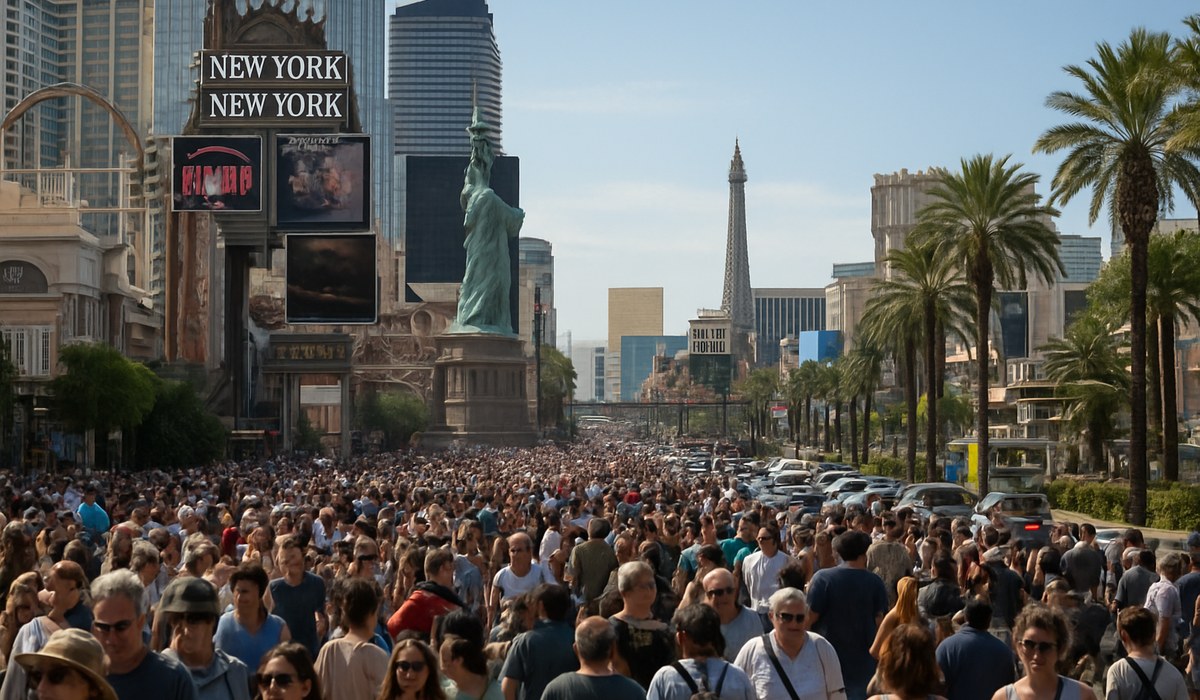
Image generated by AI
Record-Breaking Tourist Numbers Strain Major US Destinations in Spring 2026
Major American travel destinations are grappling with record visitor volumes as spring tourism accelerates across the nation. New York City, Las Vegas, Honolulu, and Great Smoky Mountains National Park have all reported historically high foot traffic in March 2026, creating infrastructure challenges and prompting local authorities to implement crowd-management strategies.
The surge represents a significant shift in post-pandemic travel patterns, with international tourists returning to US hotspots at unprecedented levels while domestic travelers simultaneously plan spring and early summer vacations.
New York City Experiences Fifth-Consecutive Record Quarter
New York City tourism officials announced that the metropolitan area welcomed an estimated 18.2 million visitors during the first quarter of 2026—a 27% increase compared to the same period in 2025. Manhattan's most popular attractions, including Times Square, the Empire State Building, and Central Park, have implemented timed-entry systems and capacity restrictions to manage daily visitor volumes exceeding 800,000 people.
The NYC & Company tourism board attributes the surge to aggressive international marketing campaigns, favorable dollar exchange rates, and pent-up demand from international visitors who postponed trips during previous years.
Las Vegas Hospitality Infrastructure Reaches Breaking Point
Las Vegas reported occupancy rates exceeding 95% throughout March 2026, with the Las Vegas Convention and Visitors Authority documenting 3.4 million monthly visitors—the highest monthly figure in the city's recorded history. Major casino-hotels report fully booked rooms from Thursday through Sunday, with wait times for dining, entertainment, and resort amenities extending to 2-3 hours during peak periods.
Transportation challenges include traffic gridlock on the Las Vegas Strip and extended wait times at McCarran International Airport, where TSA security lines have exceeded 90 minutes during peak hours.
Honolulu Faces Housing and Infrastructure Strain
Hawaii's visitor economy shows similar strain, with Honolulu reporting 1.8 million arrivals across Oahu during Q1 2026. Tourism economists warn that visitor density now exceeds sustainable levels, particularly in Waikiki Beach, Honolulu International Airport, and major shopping districts. Local residents report increased traffic congestion, limited parking availability, and rising operational costs for hospitality businesses.
The Hawaii Tourism Authority is evaluating capacity-limiting policies and dynamic pricing models to manage demand without discouraging legitimate tourism revenue.
Great Smoky Mountains National Park Battles Record Congestion
The Great Smoky Mountains National Park, spanning Tennessee and North Carolina, recorded 2.7 million visits during the first quarter of 2026—exceeding annual figures from previous decades. Parking areas fill by 9:00 AM on weekends, with rangers turning away vehicles from popular trailheads and scenic viewpoints.
Park management has extended operating hours for entrance stations and implemented online reservation systems for peak-season parking. Trail overcrowding has prompted safety concerns, with rescue operations increasing 34% compared to 2025.
Comparative Tourism Statistics: March 2026
| Destination | Q1 2026 Visitors | YoY Growth | Primary Challenges | Management Response |
|---|---|---|---|---|
| New York City | 18.2M | +27% | Street congestion, attraction crowding | Timed entries, capacity caps |
| Las Vegas | 3.4M (monthly) | +19% | Hotel saturation, Strip traffic | Reservation systems, traffic management |
| Honolulu, Oahu | 1.8M (Q1) | +23% | Airport delays, beach crowding | Dynamic pricing, tour scheduling |
| Great Smoky Mountains | 2.7M (Q1) | +31% | Parking saturation, trail safety | Online reservations, extended hours |
Underlying Drivers of 2026 Overtourism Surge
Travel industry analysts identify multiple factors contributing to the unprecedented visitor volumes:
Economic Factors: Favorable currency exchange rates have made US destinations more attractive to international travelers, particularly visitors from Europe and Asia.
Pent-Up Demand: Post-pandemic travel suppression has created significant demand accumulation, with travelers prioritizing major bucket-list destinations.
Digital Marketing Amplification: Social media promotion and influencer content have driven awareness and booking activity among younger demographics.
Seasonal Clustering: Spring break, Easter holidays, and early summer planning have concentrated visitors during a compressed three-month window.
Reduced Travel Friction: Streamlined visa processes and expanded airline capacity have facilitated easier international travel.
What This Means for Travelers Planning 2026 Spring & Summer Trips
Booking and Timing Recommendations
Reserve accommodations 6-8 weeks in advance, particularly for weekend stays in Las Vegas, Honolulu, and NYC. Consider visiting these destinations during weekdays (Tuesday-Thursday) when crowds are 30-40% lower than weekend peaks. Plan visits to Great Smoky Mountains for early morning arrivals (before 8:00 AM) to secure parking and access popular trails.
Pricing Impact
Hotels in peak markets are implementing dynamic pricing, with nightly rates 40-60% higher during weekends compared to weekday rates. Travelers booking flexible dates can realize substantial savings by adjusting travel plans to avoid Friday-Sunday periods.
Accessibility and Wait Times
Attractions in NYC and Las Vegas now require 1.5-3 hour planning buffers for popular experiences. Honolulu visitors should anticipate airport security waits of 60-90 minutes and traffic delays of 20-30 minutes on major routes during 8:00-10:00 AM and 4:00-6:00 PM periods.
Alternative Destination Opportunities
Travel professionals recommend considering secondary destinations experiencing moderate growth instead of peak-saturation hotspots: Austin, Texas; Phoenix, Arizona; Charleston, South Carolina; and Portland, Oregon all report manageable visitor volumes with competitive pricing and shorter wait times.
Frequently Asked Questions
Q: Will these destinations implement visitor caps or restrictions? A: New York City and Great Smoky Mountains are actively evaluating capacity-limiting measures. Las Vegas has not announced formal restrictions but is expanding infrastructure. Hawaii may introduce dynamic pricing models by late 2026.
Q: Which destinations have the shortest wait times during March-April 2026? A: Great Smoky Mountains is least crowded on weekday mornings (7:00-11:00 AM). Las Vegas experiences relatively lower congestion Tuesday-Thursday. New York City sees reduced crowds on weekday afternoons (2:00-5:00 PM).
Q: Are travel insurance policies covering overtourism-related cancellations? A: Standard travel insurance does not cover overtourism delays or attraction closures. However, some premium policies offer epidemic/pandemic provisions that may apply to temporary closures.
Q: When is the optimal time to visit these destinations in 2026? A: June-August experiences lower relative crowds due to school schedules stabilizing. September-October offers the best balance of weather and manageable visitor volumes.
Industry Response and Future Planning
Travel destination management organizations across all four hotspots are convening to develop sustainable tourism frameworks for 2026-2027. Proposals under discussion include reservation requirement systems, seasonal pricing adjustments, and infrastructure expansion projects designed to distribute visitor pressure more evenly throughout the calendar year.
The overtourism challenge facing America's premier destinations reflects broader travel industry trends toward concentration at marquee locations, prompting discussions about marketing strategies, visitor dispersal initiatives, and the fundamental question of sustainable tourism capacity in the post-pandemic era.
Disclaimer
This article is for informational and educational purposes only. It does not constitute legal, financial, or professional advice. While we strive to provide accurate and up-to-date information, travel policies, regulations, and conditions change rapidly. Always verify information with official sources before making travel decisions. Nomad Lawyer makes no representations about the accuracy, reliability, completeness, or suitability of the information provided. Readers should consult qualified professionals for advice specific to their circumstances. The views expressed in this article are those of the author and do not necessarily reflect the views of Nomad Lawyer.
Raushan Kumar
Founder & Lead Developer
Full-stack developer with 11+ years of experience and a passionate traveller. Raushan built Nomad Lawyer from the ground up with a vision to create the best travel and law experience on the web.
Learn more about our team →