Croatia’s Kvarner Bay Reveals A New Way To Explore Adriatic Islands By E-Bike And Boat

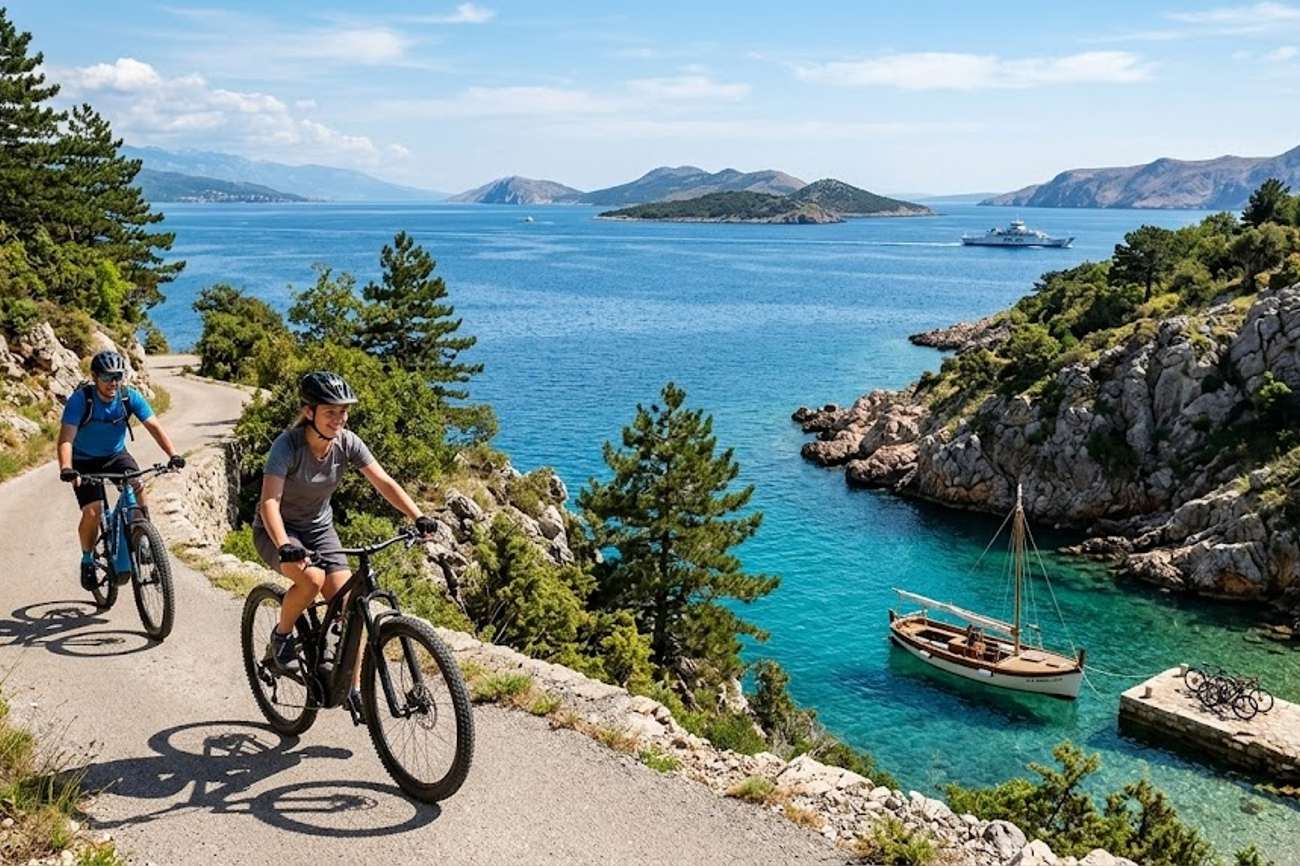
Image generated by AI
title: "Pedals and Ports: Navigating the Kvarner Bay via Boat and Bike" description: "An insider's guide to exploring Northern Croatia's islands using the combined boat-and-bike method, focusing on Kvarner Bay, Cres, Lošinj, and Zadar." date: 2024-05-22 Most visitors to the Croatian coast never leave the paved promenades of the main ports, yet the true soul of the region exists in the limestone ridges and olive groves of the Kvarner Bay. While the crowds swarm the beaches of Split and Dubrovnik, those who opt for a floating hotel and a set of wheels discover a version of the Adriatic where the only sound is the wind through pine forests and the occasional call of a griffon vulture.
The Rise of the Floating Basecamp
The traditional way of seeing the northern Adriatic involves a frantic series of hotel checks and ferry schedules. However, a shift toward "active cruising" is redefining the region. Instead of static accommodation, travelers are now using small passenger vessels, such as the Andela Lora, as mobile bases. This allows for a seamless transition between maritime transit and land exploration, eliminating the logistical friction of moving luggage across multiple islands.
This format is specifically designed to merge physical exertion with high-end recovery. A typical eight-day itinerary begins with a morning ride through coastal terrain and ends with a sunset dinner on the deck of a ship. With starting prices around €1,809 per person, this is an investment in a curated experience that prioritizes access over mass tourism. The integration of e-bikes has been the real catalyst here; the rugged, hilly geography of the islands—once a deterrent for the average traveler—is now accessible to anyone, regardless of their athletic baseline.
What Makes Kvarner Bay Different
Kvarner Bay is not a monolithic destination; it is a fragmented collection of micro-climates and cultural pockets. Unlike the southern coast, which feels heavily curated for the international gaze, the islands here retain a raw, maritime edge.
Dugi Otok is a prime example of this ruggedness. A standard excursion here covers roughly 32 kilometers and involves an elevation gain of 468 meters. The reward for this climb is the Veli Rat lighthouse, one of the most iconic landmarks in the northern Adriatic. The contrast between the stark white limestone and the deep turquoise of the sea is visceral, providing a sensory experience that a car or a tour bus simply cannot replicate.
Further into the bay, Cres and Lošinj offer a study in opposites. Cres is wilder, characterized by its steep cliffs and a significant population of griffon vultures. Cycling here requires a certain level of alertness, as the roads are narrow and shared with local traffic moving toward ferry terminals. In contrast, Lošinj is the "island of vitality," known for its aromatic air and slower pace. In the town of Mali Lošinj, the focus shifts from physical endurance to cultural curiosity, specifically at the Apoxyomenos Museum, which houses a rare ancient bronze statue of an athlete recovered from the sea.
For a deeper understanding of the region's protected status and maritime history, visitors should consult the UNESCO World Heritage Centre to see how Croatia balances modern tourism with the preservation of its ancient coastal settlements.
Visitor Insider Tips
Having spent significant time navigating these waters, there are a few nuances that no brochure will tell you.
Croatia's Kvarner Bay is introducing a new way to explore the Adriatic islands by combining e-bike and boat tours, allowing visitors to experience the region's stunning natural beauty and rich cultural heritage. For more information on travel requirements and regulations, visitors can check the official website of the Croatian National Tourist Board for the latest updates and guidelines. This innovative approach to tourism is expected to attract a new wave of visitors to the region.
The E-Bike Learning Curve: Do not assume an e-bike is "plug and play." Before leaving the ship, spend twenty minutes mastering the pedal-assist levels and the braking system. The descents on islands like Pag can be steep and unpredictable; knowing how to manage your speed without overheating your brakes is a safety requirement, not a suggestion.
Timing the Transit: To avoid the midday heat and the heaviest traffic, start your rides at dawn. The light hitting the limestone cliffs at 6:00 AM is unparalleled, and you will have the coastal roads to yourself before the day-trippers arrive.
Navigating the Roads: On Cres, you will encounter stretches without dedicated cycling lanes. The local etiquette is to stay single-file and use high-visibility gear. Local drivers are generally patient, but the narrow roads near ferry ports can become chaotic. Always follow your guide's formation to ensure you remain visible to oncoming vehicles.
Regional Flavities: While on board, prioritize the local olive oils and salted fish. The Kvarner region is famous for its specific variety of olives; look for oils produced on the islands themselves, which have a peppery finish distinct from the mainland versions.
Zadar Strategy: When your itinerary hits Zadar, head straight to the Sea Organ. To avoid the crowds, visit during the early morning or late evening when the seawater creates a more meditative acoustic experience. For official city layouts and event calendars, the Official Croatia Tourism Board provides the most reliable updates on seasonal festivals.
Cultural and Environmental Context
The introduction of cycling and small-ship tourism is a deliberate attempt to pivot away from the "overtourism" that has plagued the Dalmatian coast. By spreading visitors across the islands via bicycles, the economic benefit reaches smaller villages and family-run olive groves rather than being concentrated in a few large hotel complexes.
However, this shift brings its own challenges. The infrastructure on islands like Pag is often unfinished or inconsistent. There is a constant tension between preserving the rustic, "untouched" nature of the landscape and the need for paved, safe cycling paths. Furthermore, the presence of wildlife, such as the griffon vultures on Cres, requires a mindful approach to tourism. The goal is to observe these creatures without disrupting their nesting grounds, highlighting the need for guided tours that prioritize ecological boundaries over the "perfect photo."
The use of e-bikes also presents a sustainability paradox: while they reduce the reliance on rental cars, the disposal of lithium batteries on remote islands remains a logistical hurdle for local municipalities.
FAQ: Visiting Kvarner Bay 2025
What is the best time to visit? May, June, and September are ideal. You avoid the July-August heat and the peak crowds, and the weather is stable enough for long cycling excursions without the risk of heavy autumn rains.
Do I need a visa for Croatia? Croatia is part of the Schengen Area. Citizens of the US, Canada, and the UK typically do not need a visa for short stays, but always check the latest requirements via the official government portal.
How do I get to Kvarner Bay from major hubs? The easiest route is flying into Rijeka or Zagreb. From Zagreb, it is a scenic three-hour drive or bus ride to the coast. Most boat-and-bike tours depart from ports near Rijeka or Opatija.
Is it safe for solo travelers? Yes, especially within the boat-and-bike format. These trips provide a built-in community and professional guides, making it an excellent way for solo travelers to explore the islands without the stress of navigating remote roads alone.
Leave the resorts behind and let the rhythm of the pedals and the tide dictate your journey.
Related Travel Guides
- ITA Airways Unveils Simply Italian Campaign To Showcase A New Era Of Global Travel Experience
- Singapore Joins Malaysia as Formula 1 Events Transform Southeast Asia Tourism With Global Visitors and New Travel Routes
- Germany And More Drive Europe’s EV Road Trip Revolution as Digital Borders and Smart Highways Reshape Tourism
This article is for informational purposes. Flight routes, passenger regulations, visa rules, and transit advisories are subject to change by airlines and aviation authorities. Readers are advised to verify schedules and travel documentation with relevant carriers and border agencies before departure.
Related Stories

European Mass Protests Disrupt Travel Across France, Italy, Belgium, and Turkey in 2026

Spain Tourism 2030 Strategy: New Logistics and Regulations for Barcelona, Madrid, and the Islands