
Croatia’s Dubrovnik Tourism Enters New Era as Award-Winning City Leads Europe’s Sustainable Travel Revolution
Croatia’s Dubrovnik Tourism Enters New Era as Award-Winning City Leads Europe’s Sustainable Travel Revolution

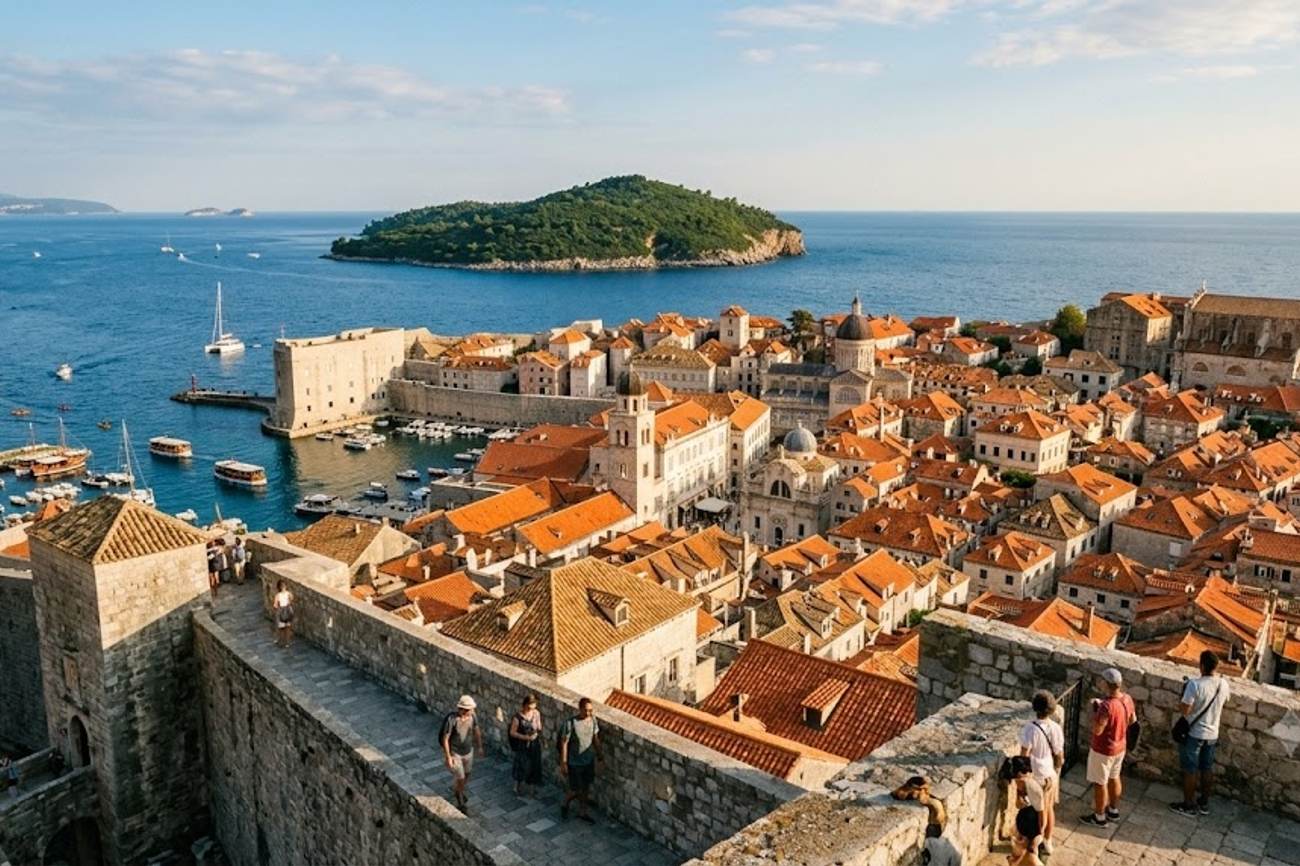
Image generated by AI
The selection of Dubrovnik as the European Green Pioneer of Smart Tourism 2026 marks a systemic pivot for one of the Mediterranean's most congested heritage sites. This designation by the European Commission signals that the city is moving away from a volume-based growth model toward a value-based management system, prioritizing the preservation of its UNESCO-listed infrastructure over raw passenger counts.
The Pivot from Mass Volume to Managed Value
For decades, Dubrovnik functioned as a classic example of the "tourism paradox": the very assets that attracted millions—the medieval fortifications and the limestone streets of the Old City—were being degraded by the scale of the attraction. The city's status as a UNESCO World Heritage Site, a designation it has held since 1979, created a legal and ethical mandate to protect its medieval urban structure. However, the reality of cruise ship arrivals and peak-season surges often clashed with these preservation goals.
The transition toward "Smart Tourism" is not merely a marketing shift but a regulatory one. By integrating digitalization into the urban fabric, Dubrovnik is attempting to decouple economic growth from environmental and social degradation. The European Commission's recognition of the city as a 2026 Green Pioneer suggests that the city has successfully implemented a framework where data-driven decision-making dictates visitor flow, rather than allowing market forces to overwhelm the city's carrying capacity.
The Mechanics of the "Respect the City" Framework
Central to this transformation is the "Respect the City" initiative. This is not a passive suggestion for tourists but a structured management strategy designed to mitigate the friction between the resident population and the transient visitor base. The initiative operates on a tripartite cooperation model involving local government, private tourism stakeholders, and the permanent residents of the city.
The logistical backbone of this shift is the deployment of smart tourism solutions. By utilizing data-based planning and digital monitoring, the city can now identify "pressure points"—specific zones within the Old City where pedestrian density reaches critical levels. This allows for real-time adjustments in visitor routing, effectively spreading the foot traffic across a wider area of the city and reducing the physical wear on historic limestone surfaces.
The European Commission has categorized these achievements across five specific pillars:
- Sustainability: Reducing the carbon footprint of tourism operations.
- Accessibility: Ensuring the historic center is navigable for all demographics.
- Digitalisation: Using data to manage crowds and improve service delivery.
- Cultural Heritage Protection: Directing revenue and policy toward the physical upkeep of the walls and Old City.
- Creativity: Developing new, non-traditional tourism offerings to diversify the visitor experience.
While Dubrovnik takes the Green Pioneer title, the European Commission also named Tampere, Finland, as the European Capital of Smart Tourism 2026, suggesting a broader EU-wide push to standardize how historic cities handle the digital transition.
Expert Analysis: The Economics of De-Growth and Digital Curation
For the modern traveler, the "Smart Tourism" label translates to a more curated, albeit more controlled, experience. The direct consequence of Dubrovnik's shift is the end of the "unmanaged" visit. When a city adopts data-based planning to manage pressure points, the traveler will increasingly encounter digital nudges—via apps or signage—directing them away from crowded hubs toward under-utilized cultural assets.
The pricing pressure created by this model is significant. By focusing on "responsible growth" rather than "increasing visitor volumes," Dubrovnik is effectively signaling a move toward a high-value, low-impact model. In aviation and hospitality terms, this often manifests as a shift toward premium offerings and higher entry costs for certain heritage sites to limit numbers.
From a regulatory perspective, this is a defensive maneuver. If a city fails to manage its "carrying capacity," it risks losing its UNESCO status or facing local political uprisings (a trend seen recently in cities like Venice and Barcelona). By implementing the "Respect the City" framework, Dubrovnik is building a legal and social buffer. They are transitioning from a "destination" to a "managed asset."
For those booking travel to the Croatian coast, the shift means that the "authentic" experience is now being digitally engineered. The "special character" the city seeks to preserve is no longer an accident of history, but a managed output of a smart city strategy. The success of this model will be measured by whether the local community feels the benefits of tourism outweigh the intrusions, a metric that is far more important for long-term viability than annual tourist arrival statistics.
Key Takeaways
- EU Recognition: Dubrovnik is officially the European Green Pioneer of Smart Tourism 2026, a title awarded by the European Commission.
- Heritage Mandate: The city is leveraging its 1979 UNESCO World Heritage status to justify stricter visitor management and sustainability protocols.
- Data-Driven Flow: The "Respect the City" initiative uses digital tools to monitor pedestrian density and redirect visitors from overcrowded "pressure points."
- Strategic Shift: The city has moved from a volume-centric growth model (more people) to a value-centric model (better management and sustainability).
- Regional Context: This transformation aligns with a wider European trend toward "smart destinations," as seen with Tampere, Finland's appointment as the 2026 Capital of Smart Tourism.
FAQ: Dubrovnik Smart Tourism 2026
Will visiting Dubrovnik be more expensive due to "Smart Tourism"? While the award focuses on management, the shift toward "responsible growth" often leads to higher pricing for peak-season access to limit crowds. Travelers should expect more tiered pricing and pre-booked time slots for major attractions.
What is the "Respect the City" initiative? It is a collaborative program between the Croatian National Tourist Board and local residents to promote responsible visitor behavior and use data to reduce the negative impact of mass tourism on the local community.
How does "Smart Tourism" affect the actual travel experience? Visitors will encounter more digital integration, such as apps that provide real-time information on crowd levels and suggestions for alternative, less-crowded sites to visit within the city.
Why was Dubrovnik chosen as a "Green Pioneer" instead of the "Capital"? The European Commission distinguishes between different types of achievement. While Tampere won the "Capital" title, Dubrovnik's "Green Pioneer" status specifically recognizes its success in blending ancient heritage protection with modern sustainable technology.
The era of the uncontrolled Mediterranean getaway is ending; the era of the algorithmically managed heritage site has arrived.
Tags: Dubrovnik 2026, European Commission Smart Tourism, UNESCO Old City Dubrovnik, Respect the City Initiative, Croatia Sustainable Tourism, European Green Pioneer 2026
Related Travel Guides
- United Kingdom Transport Networks Execute Drastic Rail Suspension Near Lewes Amid Urgent Public Safety Warnings
- Slovakia Is Now on Alert as Climate Tourism Calls for Better Extreme Heat Travel Safety Across the Country
- Mexico Teams Up With Bahamas And More As Canada Issues New Travel Advisory Over Online Dating Threats And Demonstrations For Travellers
Disclaimer
This article is for informational and educational purposes only. It does not constitute legal, financial, or professional advice. While we strive to provide accurate and up-to-date information, travel policies, regulations, and conditions change rapidly. Always verify information with official sources before making travel decisions. Nomad Lawyer makes no representations about the accuracy, reliability, completeness, or suitability of the information provided. Readers should consult qualified professionals for advice specific to their circumstances. The views expressed in this article are those of the author and do not necessarily reflect the views of Nomad Lawyer.
Raushan Kumar
Founder & Lead Developer
Full-stack developer with 11+ years of experience and a passionate traveller. Raushan built Nomad Lawyer from the ground up with a vision to create the best travel and law experience on the web.
Learn more about our team →