
Córdoba Spain Turns Ancient Streets Into a World Class Walking Experience
Córdoba Spain Turns Ancient Streets Into a World Class Walking Experience

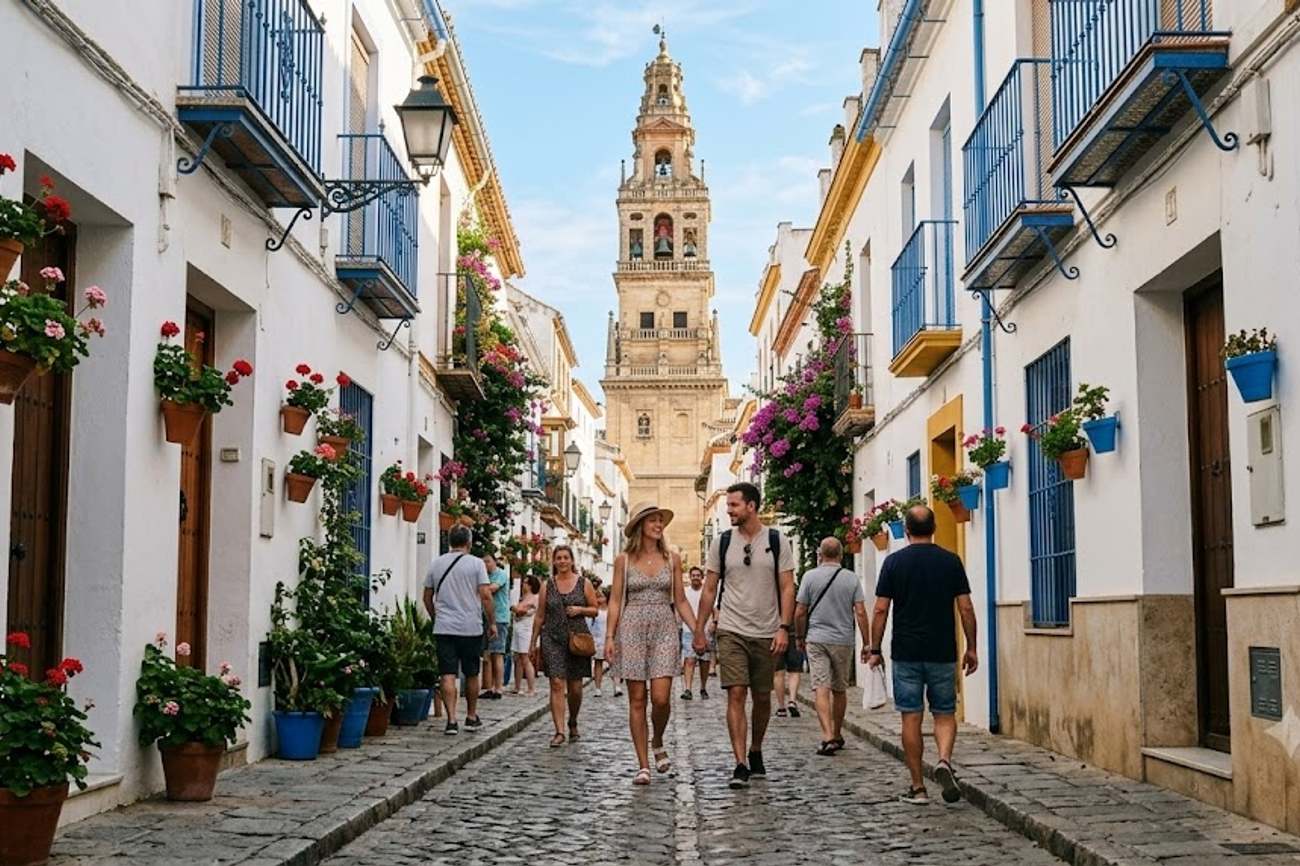
Image generated by AI
[Córdoba, May 2024] — Córdoba, Spain, has emerged as a primary global benchmark for urban walkability, leveraging its dense historic center to attract travelers seeking authentic cultural immersion over vehicle-dependent tourism. The city is currently seeing a surge in "slow travel" visitors drawn to its high concentration of UNESCO World Heritage sites and a pedestrian-centric layout that integrates Roman, Islamic, Jewish, and Christian architectural legacies.
The city's rise in visibility stems from its unique urban design, where narrow cobbled arteries and flower-lined courtyards create a natural pedestrian flow. This layout allows tourists to navigate the city's primary cultural landmarks—including the Mosque-Cathedral and the Roman Bridge—without the need for motorized transport. The Spain Official Tourism Portal identifies the city as a premier destination for those prioritizing heritage tourism and traditional Andalusian experiences.
The Architecture of Walkability
The primary trigger for Córdoba's status as a walkable capital is its preserved medieval urban fabric. Unlike modern cities that have expanded into sprawling suburbs, Córdoba’s historic core remains compact, forcing a slower pace of movement. This design is not merely an aesthetic choice but a functional one that encourages the exploration of "hidden" city elements, such as artisan workshops and private residential patios.
The city's pedestrian infrastructure is defined by:
- Whitewashed Old Quarters: A network of winding pathways that minimize vehicle traffic.
- Integrated Heritage Zones: The seamless connection between the Jewish Quarter and the central administrative districts.
- River-Centric Layout: The Guadalquivir River serves as a natural boundary that anchors the city's walking routes, with the Roman Bridge acting as the primary pedestrian artery connecting the two banks.
High-Impact Cultural Zones
The impact of Córdoba's walkability is most evident in its specific heritage clusters. Visitors are currently concentrating their activity in three primary zones:
| Zone | Primary Attractions | Walking Profile |
|---|---|---|
| The Historic Center | Mosque-Cathedral of Córdoba, Central Squares | High density, cobblestone, UNESCO protected |
| The Jewish Quarter | Traditional Patios, Artisan Shops, Narrow Alleys | Low traffic, residential, high aesthetic value |
| Riverfront District | Roman Bridge, Guadalquivir River Banks | Open vistas, paved walkways, scenic connectivity |
| Peripheral Sites | Medina Azahara (Ancient Palace City) | Specialized excursion, archaeological pathways |
Beyond the city center, the UNESCO World Heritage Centre recognizes the city's broader cultural significance, including the Festival of the Patios. During this event, the city's walkability becomes a critical utility, as residents open their private, flower-decorated courtyards to the public, turning the entire neighborhood into a living museum.
Practical Traveler Advisory and Strategic Insights
For the modern traveler, Córdoba’s walkability translates into a significant reduction in logistical friction. There is no need for ride-sharing apps, rental cars, or complex public transit passes within the city core.
Passenger and Visitor Impact:
- Transportation Costs: Travelers can virtually eliminate inner-city transport expenses, as the distance between the Mosque-Cathedral and the Roman Bridge is manageable on foot.
- Itinerary Flexibility: The "slow exploration" model allows visitors to deviate from planned routes to discover local taverns serving salmorejo and other Andalusian specialties without losing significant time.
- Accessibility Requirements: While the city is walkable, the "uneven stone streets" mentioned in official guidance mean that travelers with mobility issues or those using strollers must plan for challenging terrain.
- Solo Travel Safety: The manageable size of the city and the high volume of pedestrian traffic make it a high-safety environment for solo explorers during daylight hours.
Seasonal Logistics and Regional Connectivity
The viability of walking Córdoba is heavily dependent on the calendar. The city experiences extreme temperature fluctuations that dictate the timing of pedestrian activity.
The Thermal Window: Spring and autumn are the peak windows for foot exploration. During the summer months, the Andalusian heat can reach levels that make midday walking hazardous. Travelers are advised to adopt a "split-day" itinerary: exploring the Mosque-Cathedral and Jewish Quarter in the early morning, retreating to air-conditioned interiors during the afternoon peak, and returning to the Roman Bridge for evening skyline views.
Visitors can explore the city's historic center and the Mezquita-Catedral through curated pedestrian routes designed to highlight its Roman and Moorish heritage. Detailed maps and visitor guides are available via the official tourism portal of Córdoba, ensuring seamless navigation through the ancient streets.
Regional Integration: Córdoba serves as a strategic hub within the wider Andalusia region. Its connectivity allows it to function as a "walking break" for those traveling between larger urban centers. Efficient rail and road links connect the city to:
- Seville: The regional capital.
- Granada: Home to the Alhambra.
- Málaga: The primary coastal gateway.
FAQ: Exploring Córdoba 2024
Do I need a car to see the main sights in Córdoba? No. The historic center is designed for pedestrians. Most major landmarks, including the Mosque-Cathedral and the Roman Bridge, are within easy walking distance of one another. Vehicles are often restricted in the narrowest streets of the old quarter.
What is the best footwear for the city? Sturdy, comfortable walking shoes with good grip are essential. The city's charm comes from its ancient cobbled and stone streets, which are frequently uneven and can be slippery when wet.
When is the best time to visit the Patios? The Festival of the Patios typically occurs in the spring. This is also the most comfortable time for walking due to mild temperatures, avoiding the intense heat of the Spanish summer.
How accessible is the city for those with limited mobility? While the city is walkable, the historic center's cobblestones and narrow pathways can be challenging. Visitors using wheelchairs or walkers should verify specific route accessibility via local tourism offices.
Step into history, one cobblestone at a time.
Related Travel Guides
- Knaresborough: The UK Town Offering Italian Charm Without Overseas Travel
- Tourism Authority of Thailand and SRT Launch 30-Kilometer Eco-Rail Circuit Connecting Ancient Hariphunchai Monuments in Lamphun
- Rwanda Development Board and NISR Report USD 161.8 Million Q2 Tourism Revenue as North America Leads Gorilla Ecotourism Spend
Disclaimer
This article is for informational and educational purposes only. It does not constitute legal, financial, or professional advice. While we strive to provide accurate and up-to-date information, travel policies, regulations, and conditions change rapidly. Always verify information with official sources before making travel decisions. Nomad Lawyer makes no representations about the accuracy, reliability, completeness, or suitability of the information provided. Readers should consult qualified professionals for advice specific to their circumstances. The views expressed in this article are those of the author and do not necessarily reflect the views of Nomad Lawyer.
Kunal K Choudhary
Co-Founder & Contributor
A passionate traveller and tech enthusiast. Kunal contributes to the vision and growth of Nomad Lawyer, bringing fresh perspectives and driving the community forward.
Learn more about our team →