
Costa Rica Expands Green Tourism Infrastructure Linking Nicoya and Central Pacific Corridors in 2026
Costa Rica is upgrading transportation infrastructure to link the Nicoya Peninsula, Central Pacific, and Monteverde cloud forests, facilitating multi-destination sustainable travel.
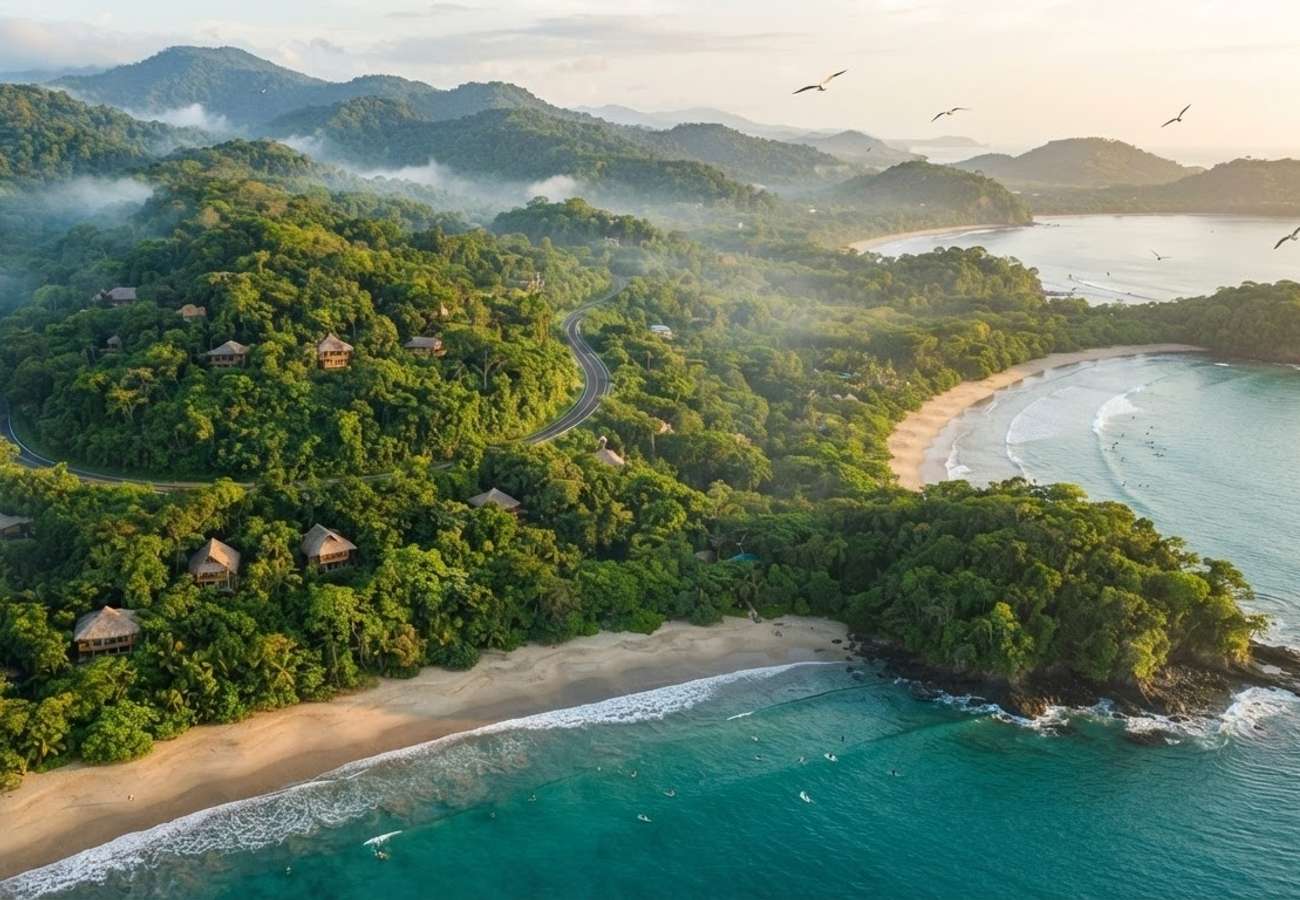
Image generated by AI
Costa Rica is aggressively integrating its Nicoya and Central Pacific regions through enhanced transportation networks to facilitate seamless multi-destination itineraries. These upgrades allow travelers to connect cloud forests, coastal surf points, and wildlife reserves with higher efficiency.
Strategic Infrastructure Expansion in the Pacific Region
The Costa Rican Tourism Board (ICT) reports that over 75% of international arrivals visit the country specifically for vacation purposes. To accommodate this demand, the government is focusing on improving road connectivity between the inland highlands and the Pacific coastline.
Our analysis indicates that these improvements are designed to support "self-drive" tourism, reducing the friction associated with transitioning between diverse ecosystems. The primary goal is to transform the travel experience from single-resort stays into comprehensive regional tours.
Regional Impact Breakdown
- Nicoya Peninsula: Enhancements focus on connecting established hubs like Tamarindo and Nosara with southern peninsula communities. This reduces the disparity between map distances and actual travel time, which is often inflated by seasonal weather and road conditions.
- Central Pacific Corridor: A critical link is being strengthened between the capital region and the coast, specifically targeting the Puntarenas, Jacó, Quepos, and Manuel Antonio axis.
- Monteverde Highlands: Infrastructure is being optimized to facilitate the "Mountain-to-Coast" transition, allowing travelers to move from the cooler cloud forests to the warmer Pacific beaches.
Multi-Destination Itinerary Framework
The integration of these corridors enables a standardized travel pattern that maximizes environmental exposure. Flight tracking and regional transit data suggest a rising trend in the following sequence:
- Highland Phase: Monteverde for hiking, birdwatching, and cloud forest experiences.
- Coastal Phase: The Pacific coast for surfing and marine activities.
- Conservation Phase: Protected areas, including Manuel Antonio National Park, for wildlife observation.
- Rural Phase: Engagement with local farms and small-scale tourism businesses in the interior.
Passenger Advisory: Navigating Costa Rica's New Corridors
For the independent traveler, these infrastructure changes shift the responsibility of navigation and timing. While roads are improving, the "green" nature of this development means some routes remain sensitive to environmental conditions.
Our analysis of current travel policies and ICT guidelines suggests the following for passengers:
- Vehicle Rental: For those hiring vehicles in the Nicoya Peninsula, flexible itineraries are highly recommended. Do not rely solely on GPS estimates; road conditions can vary significantly between coastal towns and inland rural areas.
- Sustainable Compliance: Travelers must adhere to the Certification for Sustainable Tourism (CST) framework. This means staying on established routes and respecting protected-area regulations to avoid legal penalties or environmental fines.
- Digital Planning: Use official ICT digital signage and information systems. These provide real-time updates on road safety and current travel conditions, which are essential for independent road trips.
Industry Analyst View: Balancing Access and Ecology
The expansion of the Nicoya and Central Pacific links represents a calculated risk in tourism management. By directing traffic through specific "nature corridors," Costa Rica aims to prevent the haphazard sprawl of tourism into untouched wilderness.
The success of this model depends on the coexistence of road development and sensitive ecosystems. The ICT's focus on sustainable certification ensures that increased visitor volume does not lead to the degradation of water resources or forest fragmentation. From a market perspective, this positions Costa Rica not just as a destination, but as a connected network of sustainable experiences.
The shift toward corridor-based tourism marks a new era of mobility for the eco-conscious traveler.
Related Travel Guides
Disclaimer
This article is for informational and educational purposes only. It does not constitute legal, financial, or professional advice. While we strive to provide accurate and up-to-date information, travel policies, regulations, and conditions change rapidly. Always verify information with official sources before making travel decisions. Nomad Lawyer makes no representations about the accuracy, reliability, completeness, or suitability of the information provided. Readers should consult qualified professionals for advice specific to their circumstances. The views expressed in this article are those of the author and do not necessarily reflect the views of Nomad Lawyer.