Costa Cruises Reshapes Americas Leadership and Caribbean Strategy to Expand North American Market Share 2026

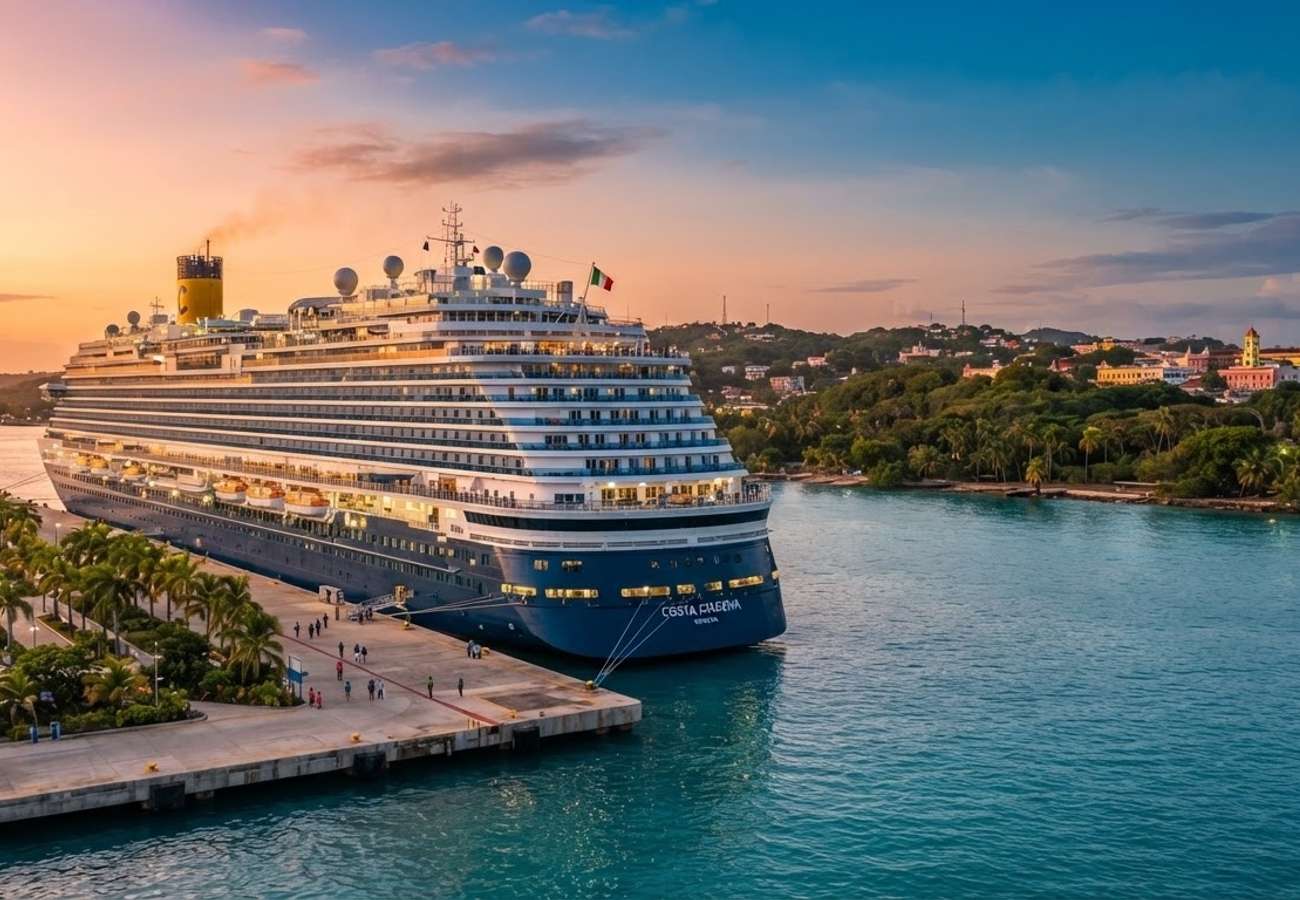
Image generated by AI
Costa Cruises is aggressively pivoting its Americas strategy, deploying new leadership and diversifying Caribbean departure hubs to capture a larger share of the North American market.
Strategic Leadership Shift in the Americas
Costa Cruises, a key entity within Carnival Corporation’s global portfolio, has initiated a comprehensive restructuring of its Americas operations. The primary objective is to bridge the gap between the brand's strong European presence and its growth potential in North America.
Central to this expansion is the role of Dario Rustico, who is directing commercial activities across both North and South America. Our analysis indicates that Costa is moving away from a generic marketing approach, instead leveraging its Italian heritage to differentiate itself from the homogenized offerings of traditional North American cruise lines.
The strategy focuses on three core pillars:
- Commercial Optimization: Streamlining operations to better align with North American consumer behavior.
- Trade Partnership Strengthening: Increasing the reliance on travel advisors to bridge the awareness gap.
- Cultural Differentiation: Positioning the "European-style" onboard environment as a premium alternative to standard industry offerings.
Travel Advisor Integration and Digital Infrastructure
Recognizing that North American cruise bookings are heavily influenced by professional intermediaries, Costa has overhauled its B2B support systems. The company has launched two primary digital initiatives to facilitate sales:
- Costa Extra: An updated travel advisor platform providing direct access to booking information, marketing collateral, and sales resources.
- Costa Cruisetelling: A specialized digital education program designed to train travel professionals on the brand's history and unique value propositions.
By investing in these sales support systems, Costa aims to convert travel agents into brand ambassadors who can effectively communicate the multicultural atmosphere of their ships to a domestic audience.
Diversification of Caribbean Departure Hubs
In a significant departure from industry norms, Costa is reducing its reliance on the saturated "cruise capitals" of Miami and Fort Lauderdale. The company is instead expanding its footprint in the Dominican Republic and other non-traditional gateways.
Key Departure Points and Hubs:
- La Romana, Dominican Republic: Serving as a strategic entry point for Caribbean itineraries.
- Santo Domingo, Dominican Republic: Leveraging the city's historic district and international connectivity.
- Guadeloupe: Offering selected departures to provide varied Caribbean routing.
This geographic shift allows passengers to integrate their cruise with land-based tourism in the Dominican Republic, including excursions to Punta Cana and Santo Domingo’s colonial zones.
Experience-Driven Product Evolution
To meet the demands of the 2026 traveler, Costa has shifted from a port-centric model to an experience-centric model. The "Sea & Land" program is the centerpiece of this evolution, designed to synchronize onboard activities with the specific cultural context of the destinations visited.
This shift reflects a broader industry trend where passengers prioritize "meaningful" travel—combining gastronomy, nature, and local culture—over the traditional checklist of multiple port stops.
Passenger Rights & Advisory: Navigating International Cruise Lines
For the North American passenger booking with a European-based line like Costa, there are specific legal and operational nuances to consider.
Contract of Carriage and Jurisdiction Our analysis of maritime policy suggests that passengers should carefully review the "Forum Selection Clause" in their cruise contract. Because Costa is headquartered in Genoa, Italy, certain dispute resolutions may be governed by different jurisdictions than those of U.S.-based lines.
Compensation and Rebooking Rights For passengers on itineraries departing from the Dominican Republic or Guadeloupe:
- Flight Disruptions: If your journey to a non-U.S. hub is delayed, your rights are governed by the airline's home country (e.g., EU261/2004 for European carriers).
- Cruise Cancellations: Unlike flights, cruise cancellations are largely governed by the contract of carriage. We advise passengers to secure comprehensive travel insurance that covers "Trip Interruption" specifically for international departures.
- Onboard Services: As Costa promotes a multicultural, international environment, passengers should be aware that service standards and dining cultures may differ from the "Americanized" style of Carnival or Royal Caribbean.
Industry Analyst View
The move by Costa Cruises is a calculated risk to carve out a "niche-premium" space in the Americas. By avoiding a direct head-to-head battle in Miami and instead focusing on the Dominican Republic, Costa is creating a blue ocean strategy.
The success of this expansion will depend on whether North American travelers are willing to trade the convenience of Florida-based departures for a more "authentic" Italian maritime experience. The current trend toward experiential travel suggests a high probability of success, provided the digital integration for travel advisors remains seamless.
The shift toward cultural authenticity over sheer ship size marks a turning point for the Caribbean cruise sector.
Related Travel Guides
This article is for informational purposes. Flight routes, passenger regulations, visa rules, and transit advisories are subject to change by airlines and aviation authorities. Readers are advised to verify schedules and travel documentation with relevant carriers and border agencies before departure.
Related Stories

Oman and UAE Align to Propel Gulf Cruise Tourism and Expand Local Economic Benefits Ahead of 2027 Season
TUI Cruises Unveils Mein Schiff Flow Winter 2027-28 Itineraries: Explore Europe and Caribbean from Germany