Coral Expeditions Expands 2027-28 Asia-Pacific Remote Cruises: New Kimberley and Raja Ampat Routes

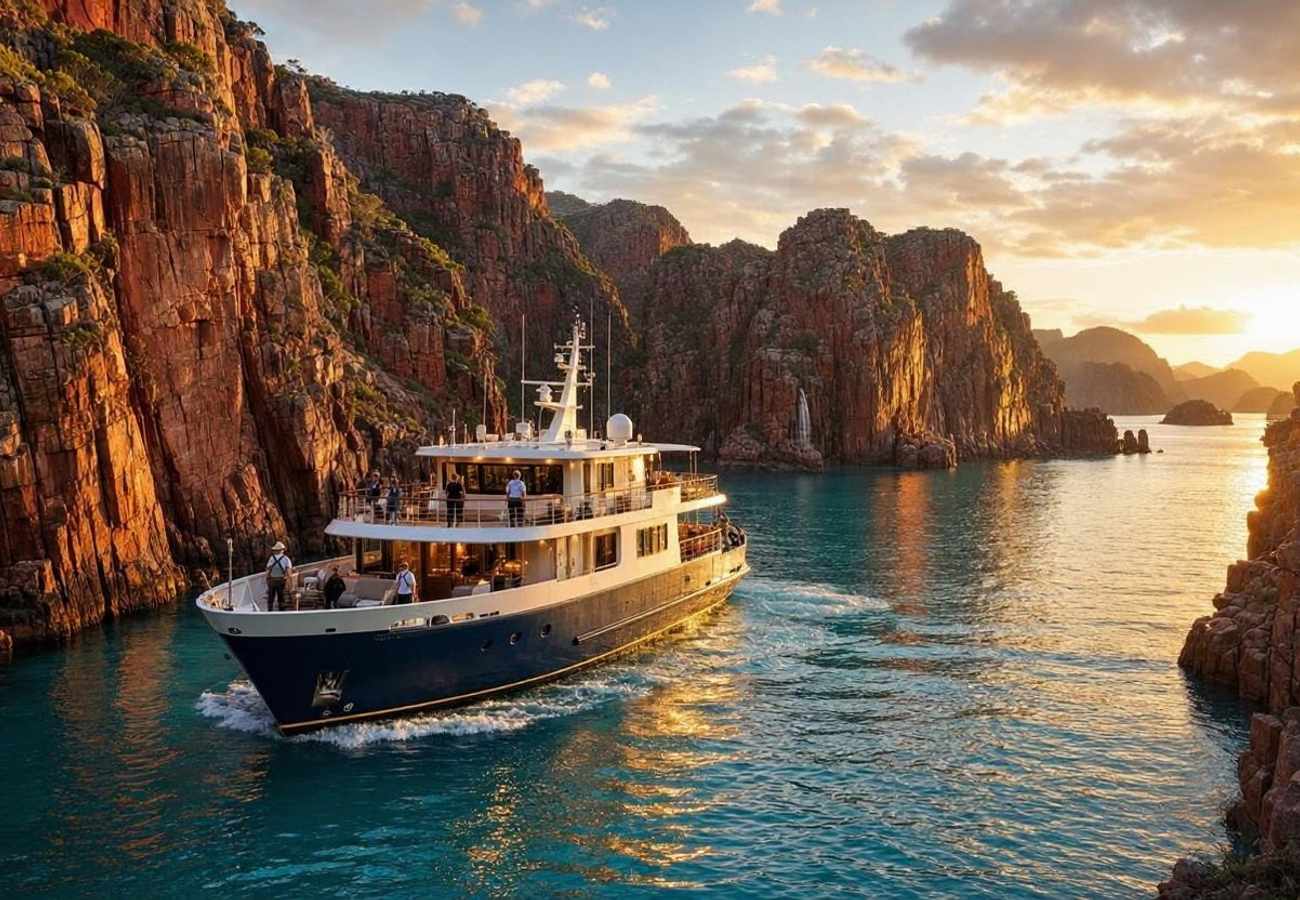
Image generated by AI
Imagine boarding a vessel where the itinerary is dictated by the tides rather than a rigid port schedule, sailing toward the sandstone cliffs of Western Australia with only 67 other passengers. For those booking the 2027–28 season, Coral Expeditions is pivoting away from traditional cruise models to offer deeper, more prolonged immersions into the most isolated corners of the Asia-Pacific.
Expanded Remote Voyages for 2027–28
Coral Expeditions has announced a significant strategic shift in its upcoming 2027–28 programme, prioritizing exploration-heavy itineraries over conventional port-to-port cruising. The Cairns-founded operator is extending the duration of its flagship journeys to allow for more time ashore and a higher ratio of specialist guides per passenger.
The core of this expansion is a move toward "slow cruising," where the objective is to access remote reefs, secluded waterways, and small indigenous communities that are physically inaccessible to large-scale cruise liners. This approach involves the use of smaller vessels and specialized tender craft to facilitate guided wildlife observation, snorkeling, and cultural interpretation.
Route Specifications and Vessel Details
The updated programme introduces several high-impact changes to route durations and destinations, specifically targeting the Kimberley, Indonesia, and New Zealand.
| Destination | Key Vessel | Duration/Frequency | Primary Highlights |
|---|---|---|---|
| The Kimberley | Coral Discoverer | 12 Nights (New) | Berkeley River, Ashmore Reef, Scott Reef |
| Great Barrier Reef | Small Ship Fleet | 10 Nights (Extended) | Remote reef systems, marine biology |
| Indonesia | Small Ship Fleet | 5 Planned Expeditions | Raja Ampat, West Papua |
| New Zealand | Small Ship Fleet | Seasonal Return | Subantarctic Islands |
| Southern Australia | Small Ship Fleet | Increased Frequency | Remote coastlines and islands |
The Coral Discoverer, which has recently undergone refurbishment, remains a centerpiece of this strategy. With a maximum capacity of 68 guests, the vessel is designed for intimacy and agility, allowing it to navigate the dramatic tidal movements and rocky coastlines of northern Western Australia.
Your Rights as a Passenger on Expedition Cruises
Booking an expedition cruise differs legally from booking a standard vacation package. Because these voyages operate in extreme environments, the "Contract of Carriage" often contains broader clauses regarding itinerary changes.
1. Itinerary Flexibility vs. Breach of Contract Under most maritime laws and the terms provided by expedition operators, the captain has absolute authority to alter the route based on weather, tides, or safety. Unlike a standard cruise where a missed port might entitle you to a partial refund, expedition cruises are sold as "exploratory." This means a change in destination is generally not considered a breach of contract if it is done for safety.
2. Right to Information Passengers are entitled to clear disclosures regarding the physical demands of the trip. Since these voyages involve tender transfers and guided walks in rugged terrain, the operator must provide accurate accessibility information.
3. Consumer Protections For those booking from Australia, the Australian Competition and Consumer Commission (ACCC) provides protections against misleading representations. If a cruise is marketed as having "guaranteed" access to a specific reef but is systematically unable to provide it due to vessel limitations (rather than weather), passengers may have grounds for a claim.
Rebooking Strategy and Risk Mitigation
Expedition cruising requires a different preparation strategy than a Caribbean or Mediterranean cruise. If you are planning a 2027–28 voyage, consider these logistical steps:
Manage Your Expectations on "Guaranteed" Landings In regions like the Kimberley or Raja Ampat, landings at sites like the Berkeley River or Scott Reef are subject to operating permissions and sea states. Do not book non-refundable shore excursions through third parties; rely on the onboard expedition team.
Insurance Requirements Standard travel insurance often excludes "expedition" or "remote" travel. Ensure your policy specifically covers:
- Medical Evacuation: Essential for West Papua or the Subantarctic Islands.
- Trip Interruption: Specifically for weather-related itinerary changes.
- Search and Rescue: Often a requirement for remote maritime zones.
Tracking Your Vessel To monitor your ship's actual progress and understand why a route may have changed in real-time, use tools like Flightradar24 (which also tracks some maritime AIS data) or MarineTraffic to see where your vessel is positioned relative to the planned itinerary.
FAQ: Coral Expeditions 2027-28
Are the itinerary changes refundable? Generally, no. Expedition cruises are sold as flexible journeys. Changes made for safety, weather, or tides are standard and typically do not trigger compensation.
What is the maximum capacity of the Coral Discoverer? The vessel accommodates approximately 68 guests, ensuring a high staff-to-passenger ratio for guided activities.
Which new destinations are included in the 2027-28 season? Major additions include extended 12-night Kimberley voyages, five expeditions to Raja Ampat and West Papua, and the return of New Zealand’s Subantarctic Islands.
Do I need special equipment for these cruises? Yes. Due to the focus on guided walking and snorkeling in remote areas, passengers should bring rugged footwear and gear suitable for wet/dry environments.
Adventure in the Asia-Pacific is shifting from the balcony to the beach—provided the tide allows it.
Related Travel Guides
This article is for informational purposes. Flight routes, passenger regulations, visa rules, and transit advisories are subject to change by airlines and aviation authorities. Readers are advised to verify schedules and travel documentation with relevant carriers and border agencies before departure.
Related Stories
TUI Cruises Launches Fleetopia 2027: Three-Ship Convergence and Concert Event in Malaga Spain
Amsterdam Mandates Shore Power for Cruise Ships Starting January 2027 to Cut Port Emissions