
Heritage Discoverer Launches Seven New Polar and Atlantic Expedition Voyages for 2027–28 Season
Heritage Discoverer expands its global footprint with seven new expedition voyages for 2027–28, targeting remote Arctic, Antarctic, and North Atlantic regions.

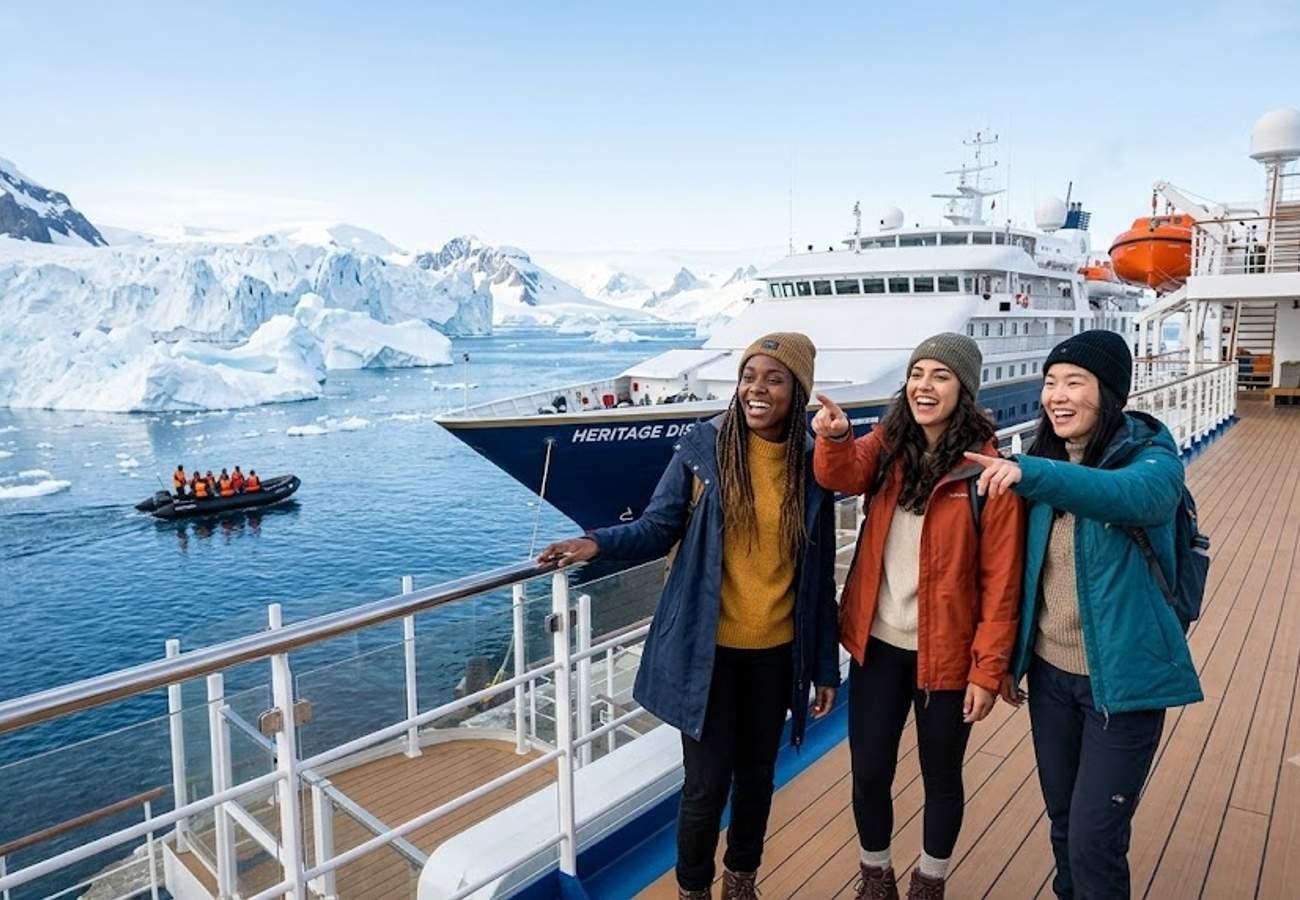
Image generated by AI
The 2027–28 season marks the first time the Heritage Discoverer will simultaneously serve the Arctic, Antarctic, and North Atlantic. This deployment signals a strategic shift toward high-impact, low-volume tourism in the world's most fragile environments.
The Shift Toward Destination Immersion
The expansion of the Heritage Discoverer’s program reflects a broader transition in luxury travel: the move from passive sightseeing to active destination immersion. By deploying a vessel specifically designed for remote access, Heritage Expeditions is pivoting away from the "well-worn tourist pathways" and toward experiential, wildlife-centered itineraries.
The core of this strategy is the use of smaller ships. Unlike mega-liners, the Heritage Discoverer can penetrate narrow fjords and dock at remote islands that are physically inaccessible to larger vessels. This capability allows for a tailored guest experience that prioritizes environmental sensitivity over passenger volume.
Regional Breakdown: From the Atlantic to the Poles
The 2027–28 maiden program is divided into distinct geographical theaters, each focusing on a different facet of exploration.
Atlantic and European Coastal Expeditions
The "Atlantic Shores Odyssey" represents a new approach to European coastal travel. Sailing from Lisbon to Portsmouth, this route connects Portugal, Spain, France, the Channel Islands, and the UK. The focus here is on regional cuisines and UNESCO World Heritage sites, utilizing the ship's size to visit under-the-radar ports.
Complementing this is the "British Isles, Ireland and Scotland Expedition," which targets the rugged, remote islands of Wales, Ireland, and Scotland, catering to the growing demand for "slow travel" and deep cultural heritage.
North Atlantic and Iceland
Iceland remains a primary driver for adventure travel. The program features two distinct approaches:
- Scotland, Faroe Islands and Iceland Cruise: A journey focused on Viking heritage, prehistoric sites, and massive seabird colonies.
- Iceland’s Fire and Ice Circumnavigation: A geological deep-dive sailing under the midnight sun, traversing volcanic terrain, glacial fields, and geothermal regions.
Polar Frontiers: Arctic and Antarctic
The polar itineraries are designed as educational journeys rather than mere vacations. The "Arctic Islands Expedition" crosses the Arctic Circle to explore Svalbard, Greenland, and Iceland, with a heavy emphasis on sightings of polar bears, walruses, and musk oxen.
In the Southern Hemisphere, the "Antarctic Peninsula" itineraries navigate the Antarctic Convergence. For those seeking the most comprehensive wildlife experience, the "South Georgia, Falklands and Antarctic Peninsula Cruise" is scheduled for spring, targeting the world-renowned penguin colonies of South Georgia and the unique biodiversity of the Falkland Islands.
Cultural and Environmental Value
For the visitor, the real impact of these voyages is the integration of scientific interpretation. Rather than just observing icebergs or wildlife, passengers engage with naturalists and expedition leaders who provide context on polar science and environmental stewardship.
This model supports regional economies by directing tourism toward smaller, community-based ports rather than centralized hubs. By prioritizing responsible travel and conservation-led education, the Heritage Discoverer aims to mitigate the footprint of expedition cruising in sensitive zones like the Antarctic Peninsula and the Arctic Circle.
Visitor Insider Tips
- Optimal Timing: For the South Georgia and Falklands routes, aim for the spring window to maximize wildlife sightings, particularly during penguin nesting seasons.
- Gear Strategy: Polar expeditions require "layering" logic. Invest in high-grade merino wool and waterproof outer shells; the ship's environment is climate-controlled, but the Zodiac excursions are brutal.
- Cultural Etiquette: When visiting remote island communities in the Faroe Islands or Svalbard, prioritize purchasing handmade local crafts over imported souvenirs to directly support the micro-economy.
- Photography Tip: The "Midnight Sun" in Iceland provides endless golden-hour lighting. Use a circular polarizer to manage the glare from glacial ice and water.
Tourism Outlook
The growth of the expedition sector is driven by a global appetite for authenticity. As travelers move away from traditional cruise circuits, the success of the Heritage Discoverer will likely accelerate the trend of "learn-based travel." The long-term impact will be a shift in how the industry defines luxury—moving from onboard amenities to the exclusivity of the destination and the depth of the educational experience.
The future of exploration lies in the balance between curiosity and conservation.
Related Travel Guides
Disclaimer
This article is for informational and educational purposes only. It does not constitute legal, financial, or professional advice. While we strive to provide accurate and up-to-date information, travel policies, regulations, and conditions change rapidly. Always verify information with official sources before making travel decisions. Nomad Lawyer makes no representations about the accuracy, reliability, completeness, or suitability of the information provided. Readers should consult qualified professionals for advice specific to their circumstances. The views expressed in this article are those of the author and do not necessarily reflect the views of Nomad Lawyer.
Raushan Kumar
Founder & Lead Developer
Full-stack developer with 11+ years of experience and a passionate traveller. Raushan built Nomad Lawyer from the ground up with a vision to create the best travel and law experience on the web.
Learn more about our team →