
Copa Airlines Commits $13.5 Billion to Massive Boeing 737 MAX Fleet Expansion
Breaking airline news and aviation industry updates for 2026.

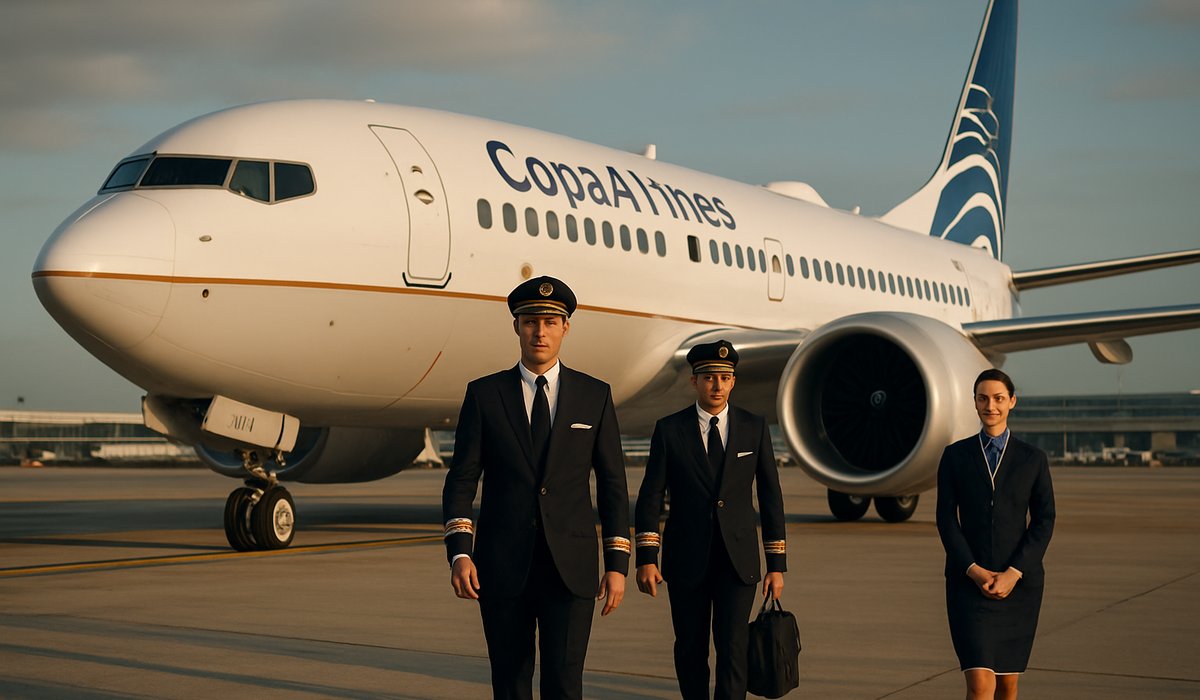
Image generated by AI
Copa Airlines Commits $13.5 Billion to Massive Boeing 737 MAX Fleet Expansion
Panama carrier to double narrow-body aircraft fleet, signaling major growth bet on Latin American aviation recovery
Record Order Signals Regional Aviation Renaissance
Copa Airlines has announced one of the largest aircraft procurement deals in Latin American aviation history, committing $13.5 billion to acquire 60 additional Boeing 737 MAX aircraft. The agreement, finalized on April 28, represents a decisive bet by the Panama-based carrier on sustained regional growth and positions the airline to nearly double its narrow-body fleet capacity over the coming decade.
The order underscores a broader recovery narrative in Latin American aviation following pandemic-driven disruptions, with Copa positioning itself as a primary beneficiary of expanding connectivity across Central and South America. Deliveries of the fuel-efficient aircraft are scheduled to commence in 2030 and continue through 2034, providing the carrier with a staggered modernization timeline that aligns with anticipated demand recovery.
Strategic Expansion and Modernization
Copa's decision to commit to 60 additional 737 MAX units—negotiated jointly with Boeing and engine manufacturer GE Aerospace—reflects the airline's confidence in long-term market fundamentals, despite persistent challenges in jet fuel prices and aviation operating costs. The phased delivery schedule offers the carrier flexibility to adjust capacity deployment based on evolving market conditions and regional economic performance.
The 737 MAX platform, which returned to commercial service following a 20-month grounding period, has become the preferred aircraft for regional and legacy carriers seeking to enhance fuel efficiency while managing airline fees and ancillary revenue streams more effectively. The aircraft's 15% fuel-efficiency advantage translates directly to reduced operating expenses—a critical factor as carriers navigate volatile energy markets and competitive baggage charge structures.
Industry Implications and Market Context
The order validates Boeing's recovery momentum in the commercial aviation sector and demonstrates sustained confidence in the 737 MAX among international operators. For Copa specifically, the expansion addresses growing capacity constraints on high-demand routes connecting Latin America to North America and the Caribbean, regions experiencing robust post-pandemic travel recovery.
Industry analysts note that such large-scale fleet commitments typically signal confidence in sustainable demand trajectories and reflect manageable debt-service obligations—particularly relevant given aviation industry financing challenges in recent years. Copa's investment also positions the carrier competitively against regional rivals pursuing fleet modernization amid rising fuel costs and pressure to implement dynamic pricing strategies across baggage charges and service offerings.
The broader implications extend to Boeing's competitive positioning against rival Airbus, reinforcing the 737 MAX's dominance in the narrow-body segment despite historical safety concerns that initially undermined market confidence.
FAQ: Copa Airlines Fleet Expansion and Aviation Industry Impact
What prompted Copa Airlines to order 60 new Boeing 737 MAX aircraft? The expansion reflects anticipated growth in Latin American air travel demand and positions Copa to modernize its fleet while enhancing fuel efficiency and operational economics amid volatile jet fuel prices.
How much is Copa Airlines spending on this aircraft order? The commitment totals $13.5 billion at list prices, though actual prices typically include manufacturer discounts negotiated as part of large-scale orders.
When will Copa Airlines receive the new 737 MAX aircraft? Deliveries are scheduled between 2030 and 2034, allowing the carrier time to absorb new aircraft into operations while managing capital expenditures.
How will this expansion affect airline fees and baggage charges? Improved fuel efficiency from the 737 MAX may reduce per-seat operating costs, potentially moderating ancillary fee increases, though competitive pressures and fuel cost volatility remain significant pricing variables.
What does this order mean for the aviation industry? The deal signals renewed confidence in commercial aviation fundamentals and validates the 737 MAX's market acceptance, while supporting continued Latin American route expansion and regional connectivity growth.
Related Travel Guides
Flight Delay Compensation Guide 2026
Understanding Airline Route Changes
Airport Security Process Updated (2026)
External Resources
Disclaimer
This article is for informational and educational purposes only. It does not constitute legal, financial, or professional advice. While we strive to provide accurate and up-to-date information, travel policies, regulations, and conditions change rapidly. Always verify information with official sources before making travel decisions. Nomad Lawyer makes no representations about the accuracy, reliability, completeness, or suitability of the information provided. Readers should consult qualified professionals for advice specific to their circumstances. The views expressed in this article are those of the author and do not necessarily reflect the views of Nomad Lawyer.
Preeti Gunjan
Contributor & Community Manager
A passionate traveller and community builder. Preeti helps grow the Nomad Lawyer community, fostering engagement and bringing the reader experience to life.
Learn more about our team →