
Northern European Tourism Boards Promote Milder Climates as Record Heatwaves Shift Vacation Bookings to Scandinavia: Coolcation Summer Travel Trends 2026: New Travel Alert
Coolcation summer travel trends 2026: Discover Sweden, Denmark, and Ireland travel guides, Mediterranean heat alerts, and safety tips.

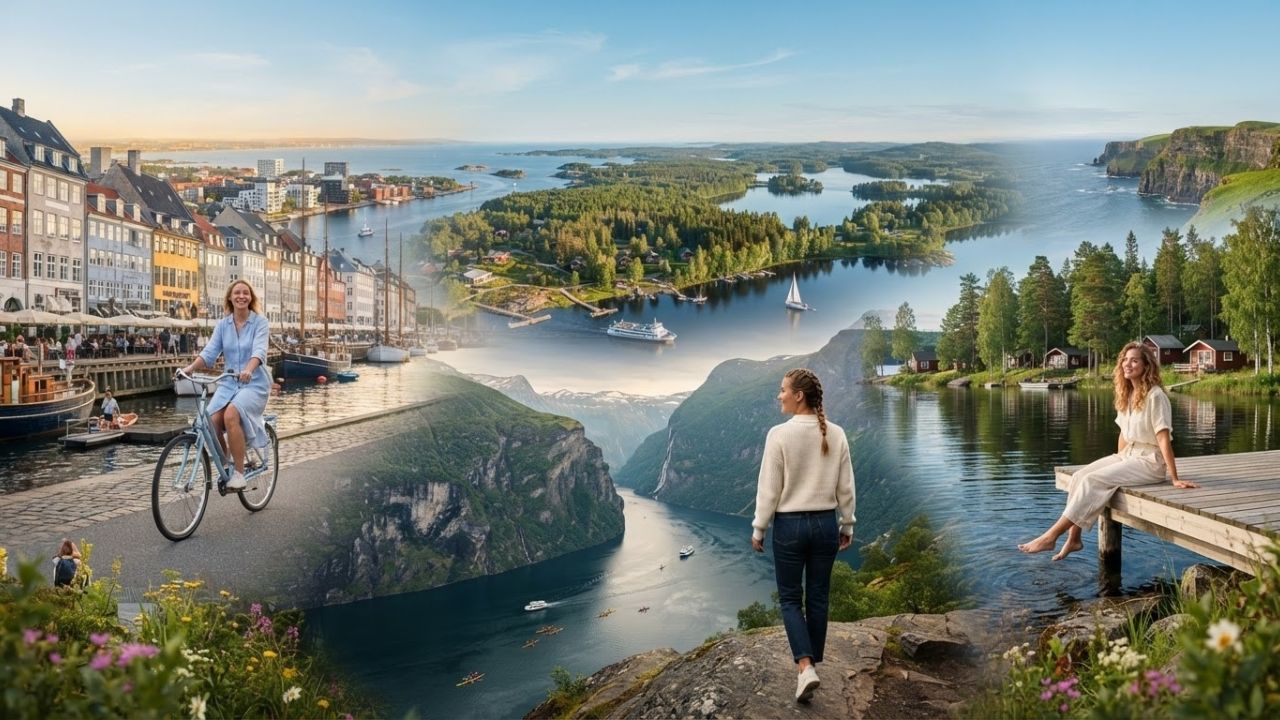
Image generated by AI
Published on July 26, 2026
For holidaymakers planning summer getaways across the continent, the rise of coolcation summer travel trends 2026 highlights a major shift toward Northern European destinations. Spurred by extreme heatwaves that regularly push daytime temperatures past forty degrees Celsius in Southern Europe, travelers are choosing milder climates in Sweden, Norway, Denmark, Finland, and Ireland. Visitors are advised to explore shoulder-season options in spring or autumn, book high-altitude mountain resorts, and monitor regional weather warnings.
Quick Summary
- Scandinavian Resurgence: Milder temperatures are drawing millions of visitors to Sweden, Norway, Denmark, and Finland.
- Extreme Mediterranean Heat: Temperatures in Southern Europe are regularly approaching or exceeding 40 degrees Celsius.
- Surging City Searches: Booking platforms record significant search increases for hotels in Copenhagen and Dublin.
- Seasonal Shifts: Rather than abandoning the Mediterranean, tourists are shifting bookings to the spring and autumn shoulder seasons.
- Stable Southern Demand: Established infrastructure, pricing, and destination loyalty keep Spain and Greece highly popular.
Context and Background: Developing Coolcation Summer Travel Trends 2026
The geography of European summer vacations is adapting to changing climate patterns and rising seasonal temperatures. According to promotional materials from VisitSweden, highlighting a comfortable summer climate is key to attracting overseas travelers seeking outdoor recreation. While Southern European beach holidays remain an established tradition, the rise of extreme heatwaves is encouraging tourists to explore northern alternatives that offer forest lakes, fresh sea air, and fewer crowds.
Event/Incident Details: Geography of the Coolcation Summer Travel Trends 2026
The regional alignment, weather conditions, and cultural assets of the primary European summer destinations are outlined in the index below:
| Travel Region Category | Destination Countries | Summer Weather Character | Primary Tourism Assets & Appeal |
|---|---|---|---|
| Coolcation Corridor | Sweden, Norway, Denmark, Finland, Ireland | Milder temperatures, cooling sea breezes, lower crowds | National parks, hiking trails, forest walks, long daylight hours |
| Mediterranean Belt | Spain, Greece, Italy, Portugal, Croatia | Scorching heat (frequently exceeding 40°C) | Established hotels, beaches, cultural sites, competitive pricing |
To support travel planners, analysts monitor specific booking and search patterns across key sectors:
| Tourism Sector | Summer Performance Details | Geographic Impact & Demand | Travel Planning Advantages |
|---|---|---|---|
| City Breaks | Surge in accommodation searches during heat waves | High interest in Copenhagen and Dublin | Pleasant outdoor conditions for walking tours and sightseeing |
| Mountain Tourism | Increased demand for high-altitude resorts | Elevated alpine zones, lake districts | Cooler evening temperatures for comfortable sleep |
| Long-Haul Market | North American tourists adding northern loops | Scandinavian routes (e.g., Norway, Finland) | Combines cultural heritage with mild weather and long days |
According to visitor studies by Visit Denmark, the lower crowds and mild summer days in Danish cities appeal to families and mature travelers looking for a relaxed vacation environment.
Event/Incident Details: Obstacles facing the Coolcation Summer Travel Trends 2026
While shifting to cooler destinations provides greater comfort, travelers and industry operators must navigate several risks:
- Extreme Heat Exposure in the South: Daytime temperatures exceeding 40 degrees Celsius increase health risks during outdoor activities in Spain or Greece.
- Northern Accommodation Price Spikes: Rising demand for hotels in cities like Copenhagen or Dublin can lead to price increases during peak months.
- Seasonal Booking Bottlenecks: Concentrating Mediterranean travel in spring and autumn can create booking shortages during these shoulder months.
- Mountain Travel Transit Logistics: High-altitude destinations often have limited transit access, requiring self-drive arrangements.
- Varying Operational Hours: Northern attractions may close earlier than their Southern counterparts, requiring careful schedule planning.
What Authorities Are Saying
European tourism ministries and market analysts stress that flexibility will define the future of the travel industry. Planners at Fáilte Ireland state that highlighting natural scenery and mild climates helps to spread visitor demand across the year, reducing pressure on established heritage cities.
Southern European hotel associations note that while summer heat is intense, extensive air conditioning and resort upgrades ensure that guest comfort remains high.
Additionally, long-haul flight operators emphasize that travelers from North America continue to book Mediterranean packages, but are increasingly showing interest in multi-country routes that combine north and south.
Practical Traveler Advice Section
For tourists planning to experience Europe's cities or coasts during the summer months, travel experts recommend the following guidelines:
- Shift to Shoulder Seasons: Book your Mediterranean trips in May, June, September, or October to enjoy pleasant weather and lower prices.
- Reserve Northern Stays Early: Secure your hotel rooms in Scandinavia or Ireland early to protect against peak-season rate hikes.
- Explore High-Altitude Spas: Choose mountain resorts in Austria or Switzerland to enjoy cooler evening conditions for sleeping.
- Monitor Local Heat Warnings: Use official weather apps to track temperature alerts when sightseeing in Southern Europe.
- Pack Layered Clothing: Keep lightweight layers and rain jackets ready when traveling through Northern European countries.
Broader Context Section
The rise of the coolcation is part of a larger trend toward experience-led and sustainable tourism. Historically, summer vacations were defined by beach trips, where warm sunshine was the primary target.
Today, frequent heat waves are encouraging travelers to prioritize safety and comfort. By expanding their itineraries to include forests, lakes, and high-altitude trails, tourists support local economies in Northern Europe, helping to balance the economic benefits of tourism across the continent.
What to Expect Next / Looking Ahead
Looking ahead, Northern European tourism boards will launch new campaigns promoting summer activities like forest trekking, cycling, and sailing. City planners in Southern Europe will invest in urban cooling projects, adding shade structures and green spaces to protect visitors.
Additionally, booking platforms will track year-round search trends to see if spring and autumn bookings continue to rise. Tourism researchers will also monitor climate data to adjust destination capacity guidelines, helping the travel industry adapt to changing weather patterns.
Conclusion
In conclusion, the coolcation revolution highlights a dynamic adaptation in European summer travel patterns. By planning your Mediterranean visits during the shoulder seasons, booking your northern stays early, and choosing high-altitude destinations, you can enjoy a comfortable holiday. Remaining prepared and informed will guarantee a safe and memorable vacation across Europe's diverse regions.
FAQ: Coolcation Summer Travel Trends 2026
What is a 'coolcation'?
It is a travel trend where holidaymakers choose cooler destinations in Northern Europe to escape extreme summer heatwaves in traditional southern hotspots.
Which countries are the main coolcation destinations?
The primary countries attracting interest are Sweden, Norway, Denmark, Finland, and Ireland, which offer milder climates and lower crowds.
Why is Southern Europe still popular?
Destinations like Spain, Greece, and Italy maintain strong demand due to their established infrastructure, competitive pricing, cultural heritage, and accessibility.
How are travelers adapting to Mediterranean heat?
Rather than canceling trips, many tourists are shifting their travel dates to spring or autumn when temperatures are more comfortable.
What are the temperature patterns in Southern Europe?
Daytime temperatures regularly approach or exceed 40 degrees Celsius during peak summer weeks, driving demand for cooler escapes.
Related Travel Guides
- European Union Approves Free Adjacent Seating for Children Under Fourteen, Strengthening Family Airline Seating Rights Across Member States: New Travel Alert
- 7.4 Magnitude Earthquake Hits Southern Mexico Pacific Coast Triggering Safety Alerts for Oaxaca and Guerrero
- Air France Suspends Flights to Dubai, Riyadh, and Beirut Amid Heightened Middle East Security Risks: New Travel Alert
Suggested SEO Metadata & Assets
- Meta Title: Coolcation Summer Travel Trends & Northern Europe 2026
- Meta Description: Coolcation summer travel trends 2026: Discover Sweden, Denmark, and Ireland travel guides, Mediterranean heat alerts, and safety tips.
- URL Slug: coolcation-summer-travel-trends-2026
- Tags: ["Coolcation", "European tourism", "Mediterranean Travel", "Scandinavia holidays", "Travel Alert"]
- Featured Image Alt Text: A scenic view of a quiet forest lake surrounded by tall pine trees under a clear blue sky in Sweden.
Disclaimer
This article is for informational and educational purposes only. It does not constitute legal, financial, or professional advice. While we strive to provide accurate and up-to-date information, travel policies, regulations, and conditions change rapidly. Always verify information with official sources before making travel decisions. Nomad Lawyer makes no representations about the accuracy, reliability, completeness, or suitability of the information provided. Readers should consult qualified professionals for advice specific to their circumstances. The views expressed in this article are those of the author and do not necessarily reflect the views of Nomad Lawyer.
Kunal K Choudhary
Co-Founder & Contributor
A passionate traveller and tech enthusiast. Kunal contributes to the vision and growth of Nomad Lawyer, bringing fresh perspectives and driving the community forward.
Learn more about our team →