
7.4 Magnitude Earthquake Hits Southern Mexico Pacific Coast Triggering Safety Alerts for Oaxaca and Guerrero
A 7.4 magnitude earthquake off Mexico's southern Pacific coast has prompted emergency monitoring across tourist hubs in Oaxaca and Guerrero to assess infrastructure damage and aftershock risks.

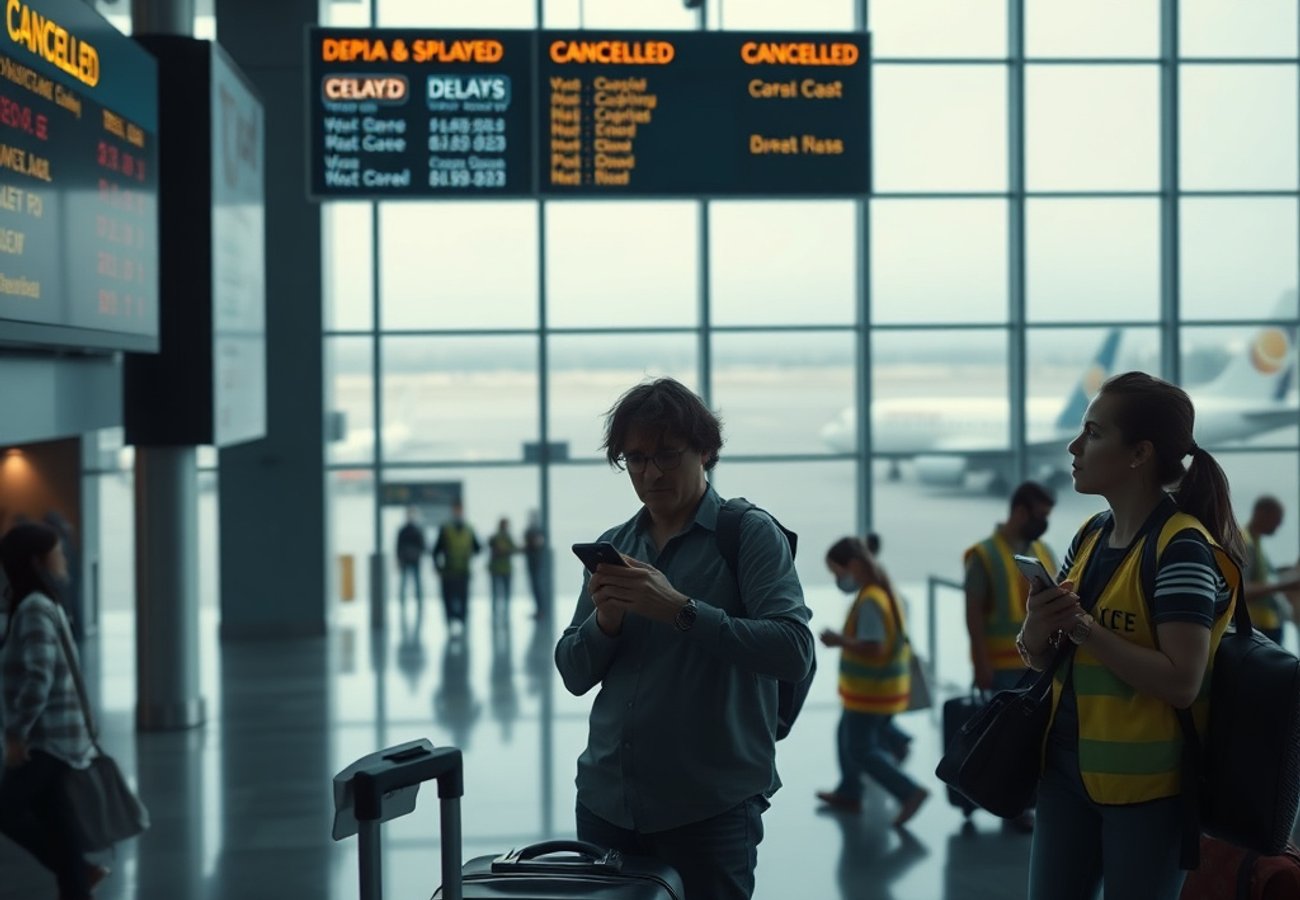
Image generated by AI
A 7.4 magnitude earthquake has struck off the southern Pacific coast of Mexico, triggering proactive safety assessments by the Mexican Federal Government across key tourist regions.
While the epicenter remained primarily offshore, the seismic event has prompted emergency agencies to monitor critical infrastructure and coastal communities for potential damage and the risk of significant aftershocks.
The Disruption Details
The earthquake occurred on July 17, 2026, centered in the Pacific waters off the southern coast. Despite the high magnitude, preliminary reports from local authorities indicate that no catastrophic impacts were immediately detected in densely populated urban centers.
However, the Mexican Federal Government has initiated precautionary assessments. The primary concern for travelers and residents remains the likelihood of strong aftershocks, which can compromise structures already weakened by the initial tremor.
Flight and Airport Impact Breakdown
Our analysis of regional operational status indicates the following:
- Affected Regions: High-alert monitoring is currently active for the states of Oaxaca and Guerrero.
- Infrastructure Checks: Local airports and road networks are undergoing safety inspections to identify cracks or subsidence.
- Transport Disruptions: Potential for temporary closures of secondary roads and public transport services due to landslide risks in mountainous coastal terrain.
- Coastal Alerts: Authorities are monitoring sea levels; travelers are advised to adhere strictly to official tsunami warnings if issued.
Passenger Rights & Advisory (Information Gain)
Travelers currently in southern Mexico or those planning arrival should prioritize the following legal and safety protocols:
Rebooking and Cancellations If flights are cancelled due to airport safety inspections, passengers are entitled to rebooking on the next available flight or a full refund. Under most international aviation standards, "Force Majeure" (natural disasters) may limit some carrier liabilities for cash compensation, but the duty of care—providing food, communication, and hotel accommodation—remains.
Insurance Claims Verify if your travel insurance policy covers "Natural Disasters" or "Acts of God." Document all communication from airlines or hotels regarding cancellations to support future claims for trip interruption or evacuation.
Immediate Safety Actions
- Indoor Protocol: Stay away from glass, windows, and heavy furniture.
- Outdoor Protocol: Move clear of power lines, trees, and building facades.
- Communication: Keep mobile emergency alerts active and maintain a digital and physical copy of your passport and travel insurance policy.
Industry Analyst View
Mexico's position on tectonic plate boundaries makes seismic activity a recurring operational challenge for the tourism sector. The 7.4 magnitude event tests the resilience of the country's earthquake monitoring networks and the ability of hospitality providers to execute emergency evacuation plans.
From an operational standpoint, the lack of immediate major damage suggests that building codes in the affected tourist zones are performing as intended. However, the "ripple effect" of aftershocks often leads to short-term volatility in flight schedules and hotel occupancy as cautious travelers opt for inland destinations. The long-term impact on the Pacific coast's tourism economy will depend on the speed and transparency of the government's infrastructure certification process.
Stay informed through verified government channels and avoid unverified social media reports during seismic events.
Related Travel Guides
Disclaimer
This article is for informational and educational purposes only. It does not constitute legal, financial, or professional advice. While we strive to provide accurate and up-to-date information, travel policies, regulations, and conditions change rapidly. Always verify information with official sources before making travel decisions. Nomad Lawyer makes no representations about the accuracy, reliability, completeness, or suitability of the information provided. Readers should consult qualified professionals for advice specific to their circumstances. The views expressed in this article are those of the author and do not necessarily reflect the views of Nomad Lawyer.
Preeti Gunjan
Contributor & Community Manager
A passionate traveller and community builder. Preeti helps grow the Nomad Lawyer community, fostering engagement and bringing the reader experience to life.
Learn more about our team →