
Cook Islands Regenerative Tourism Shift: Rarotonga and Aitutaki Expand Reach to Pa Enua in 2026
The Cook Islands are pivoting toward regenerative tourism, leveraging the Destination Stewardship Plan 2026–2030 to distribute visitor traffic from Rarotonga and Aitutaki to the Outer Islands (Pa Enua).
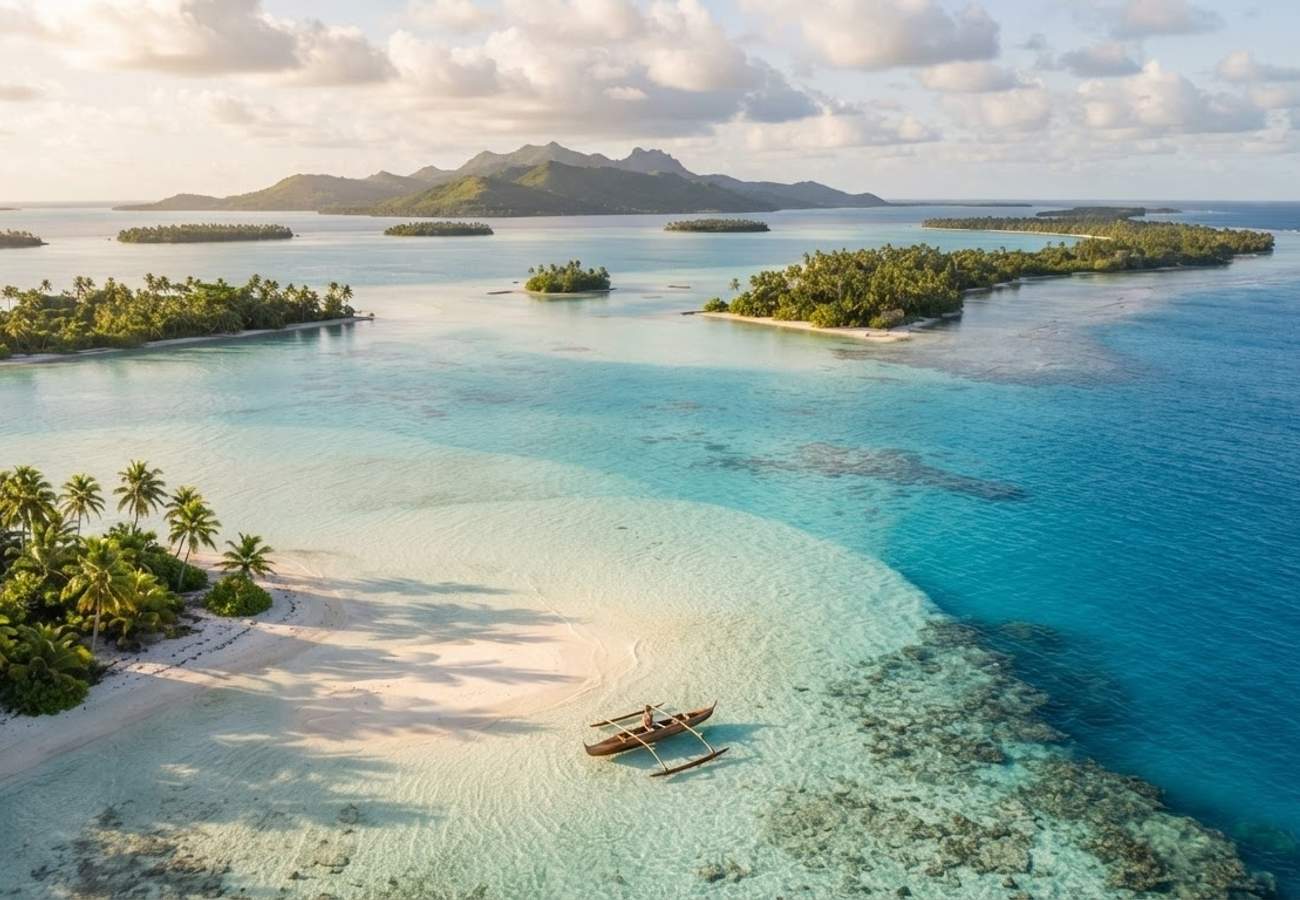
Image generated by AI
The Cook Islands are redefining luxury and leisure by shifting from traditional mass tourism to a "regenerative" model that prioritizes environmental guardianship over simple visitor volume.
The region is currently entering its peak winter travel season (May to October), a period traditionally characterized by high occupancy in major resorts. However, 2026 is marking a strategic pivot toward the Pa Enua—the Outer Islands—where ecotourism and community-led experiences are taking center stage.
Data from May 2026 indicates a strong upward trajectory in arrivals, with the nation welcoming 17,285 visitors. This represents a 7.5% increase over April figures. Market share remains dominated by New Zealand (62%) and Australia (27%), while Europe (3.8%) and the USA (3.6%) continue to provide a steady, albeit smaller, stream of long-haul travelers.
Strategic Gateways: Rarotonga and Aitutaki
Rarotonga remains the primary logistics hub for the archipelago, facilitating international arrivals from the United States, Tahiti, Australia, and New Zealand. For the May-to-October 2026 window, seasonal direct flights from Christchurch are actively operating to streamline access.
From Rarotonga, the 50-minute domestic flight to Aitutaki remains the most popular transit route. While Aitutaki is globally recognized for its expansive lagoon and marine biodiversity, the government is now using these two hubs as launchpads for deeper exploration into the less-visited islands.
The Mana Tiaki Framework and Destination Stewardship
The shift toward regenerative travel is codified in the Cook Islands Destination Stewardship Plan 2026–2030, which received Cabinet endorsement in December 2025. This policy moves beyond "sustainable" tourism—which seeks to minimize harm—toward "regenerative" tourism, which seeks to actively improve the destination.
Central to this is the concept of Mana Tiaki, a philosophy of guardianship. This framework mandates a shared responsibility between the visitor, the business owner, and the local resident to protect the environment and strengthen indigenous culture.
The 2026 rollout of this plan includes:
- Microgrants: Financial support for local community-led initiatives.
- Cultural Storytelling: The development of heritage projects, such as the Avana Nui Maruarua site in Ngatangiia, Rarotonga, unveiled in June 2026.
- Diversification: Actively steering traffic toward the Pa Enua to prevent over-tourism in Rarotonga.
Exploring the Pa Enua: Atiu and Mangaia
The Outer Islands are no longer mere footnotes in travel itineraries; they are now primary destinations for high-value, low-impact travelers.
Atiu: The Eco-Adventure Hub Atiu has positioned itself as the premier destination for nature enthusiasts. The island is defined by its raised coral limestone terrain and the Anatakitaki Cave system. It is a critical site for birdwatching, specifically for the endangered Kakerori (Rarotonga flycatcher) and the kopeka. Beyond wildlife, Atiu's established coffee-growing industry allows for a blend of agricultural tourism and eco-adventure.
Mangaia: Heritage and Geology As one of the oldest islands in the Pacific, Mangaia offers a starkly different landscape, featuring a volcanic plateau and fossilized coral cliffs. The focus here is on archaeological sites and the endemic Mangaia kingfisher. Current government efforts are focused on digital marketing and sustainable infrastructure to help Mangaia's community capture more value from visiting tourists.
High-End Access via Expedition Cruises
The 2026 cruise calendar demonstrates a move toward "expedition-style" travel, where the Cook Islands are integrated into longer, multi-stop voyages rather than short-stay beach hops.
The 2026 schedule features arrivals from prestigious lines including:
- Silver Dawn
- Seabourn Quest
- Paul Gauguin
- Scenic Eclipse
- MS Sirena
- Starbreeze
Looking further ahead, Silversea’s Silver Cloud has already scheduled a 34-day expedition for 2027 that will link Rarotonga and Aitutaki with Easter Island, South America, and French Polynesia.
Regional Tourism Profiles 2026
| Destination | Primary Appeal | Key Activities |
|---|---|---|
| Rarotonga | Culture & Logistics | Hiking, lagoon activities, food tours |
| Aitutaki | Marine Luxury | Lagoon excursions, resort stays |
| Atiu | Biodiversity | Birdwatching, cave exploration, coffee farms |
| Mangaia | Heritage & Geology | Archaeological sites, wildlife, rural life |
| Pa Enua | Community | Small-scale cultural and nature tourism |
Key Takeaways for Travelers and Investors
- Diversification is Priority: The government is actively incentivizing travel to Atiu and Mangaia to balance the economic benefits of tourism.
- Guardianship over Consumption: The Mana Tiaki philosophy means visitors are expected to contribute positively to the environment.
- Growth Trends: A 7.5% month-on-month increase in May 2026 shows strong demand, particularly from the ANZ market.
- Infrastructure Expansion: The use of microgrants and the Destination Stewardship Plan suggests a growing ecosystem for small-scale, sustainable hospitality ventures.
FAQ
What is "Regenerative Tourism" in the Cook Islands? Unlike traditional tourism, regenerative tourism aims to leave a place better than it was found. In the Cook Islands, this is managed through the Mana Tiaki (guardianship) principle, focusing on environmental restoration and cultural preservation.
When is the best time to visit the Cook Islands? The high season runs from May to October, which coincides with the winter travel window.
How do I get to the Outer Islands (Pa Enua)? Most visitors fly into Rarotonga and then take domestic flights to Aitutaki, Atiu, or Mangaia.
Which countries visit the Cook Islands most frequently? As of May 2026, New Zealand is the top source market (62%), followed by Australia (27%).
A new era of travel where the visitor becomes the guardian.
Related Travel Guides
Disclaimer
This article is for informational and educational purposes only. It does not constitute legal, financial, or professional advice. While we strive to provide accurate and up-to-date information, travel policies, regulations, and conditions change rapidly. Always verify information with official sources before making travel decisions. Nomad Lawyer makes no representations about the accuracy, reliability, completeness, or suitability of the information provided. Readers should consult qualified professionals for advice specific to their circumstances. The views expressed in this article are those of the author and do not necessarily reflect the views of Nomad Lawyer.