
Condor Maps New Growth With Budapest, Venice and Barcelona Routes as Fuel Pressures Reshape Summer 2026 Flight Strategy
Condor Maps New Growth With Budapest, Venice and Barcelona Routes as Fuel Pressures Reshape Summer 2026 Flight Strategy

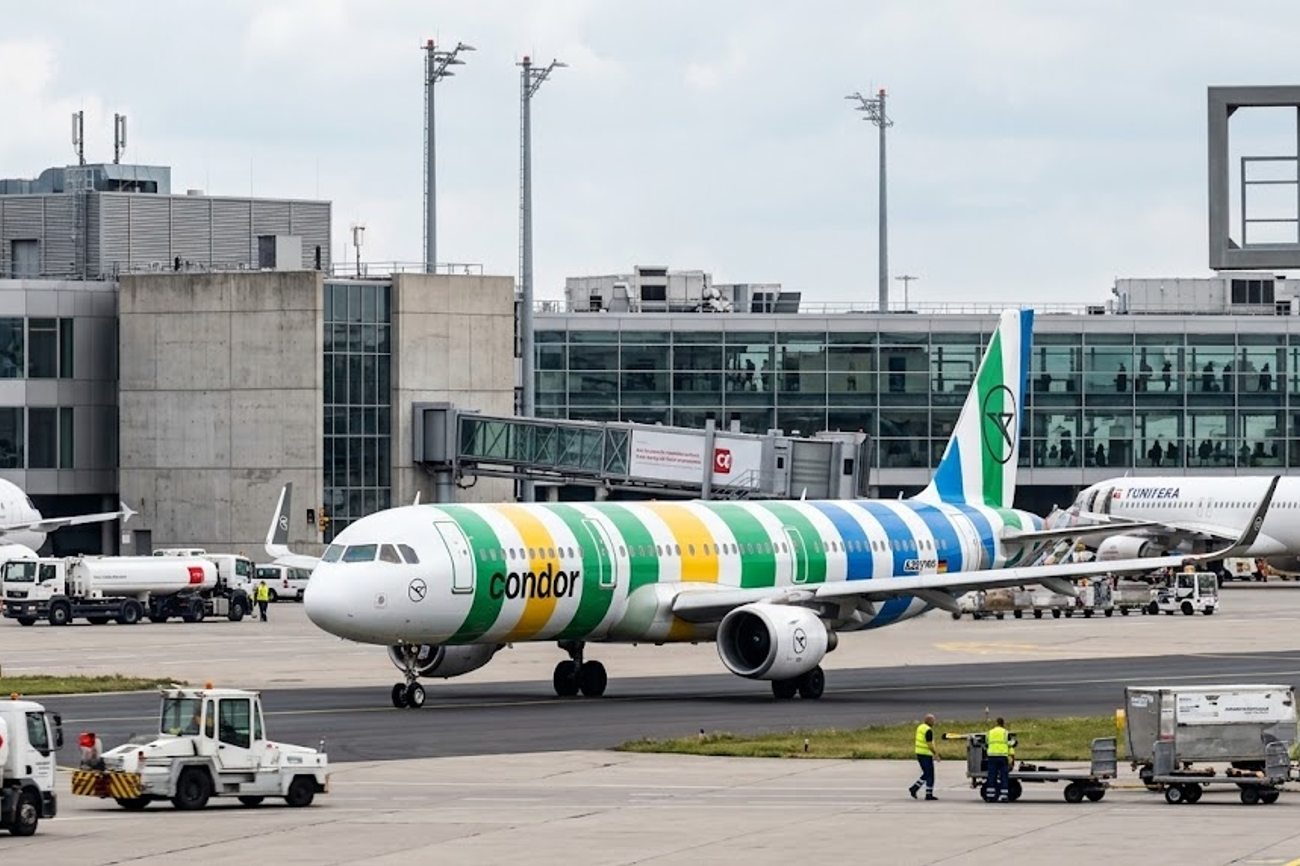
Image generated by AI
[Frankfurt, May 2024] — Condor is pivoting its business model to operate as a hub-based carrier, launching new routes to Budapest, Venice, Barcelona, and London Gatwick for the Summer 2026 season. The German airline is shifting away from its traditional point-to-point leisure model to strengthen its operations at Frankfurt Airport, aiming to increase network flexibility and passenger connectivity.
The strategic shift comes as the airline balances aggressive European expansion with significant macroeconomic headwinds. Niklas, Condor's Head of Flight Planning and Traffic, confirmed the move during the Routes 2026 event, noting that the airline is actively diversifying its service offerings to include business travel, city breaks, and connecting traffic alongside its core leisure tourism base. This evolution is designed to maximize the utility of the airline's primary hub while insulating the carrier against volatile market conditions.
Fuel Volatility and Operational Adjustments
The primary catalyst for Condor's strategic recalibration is the escalating cost of aviation fuel, which is currently exerting heavy pressure on operational margins. While many global carriers have been forced to implement drastic capacity cuts, Condor has adopted a more surgical approach to schedule management.
The airline has already removed select flights from its current summer schedule to offset rising costs, though management asserts these cuts are less severe than those seen across the wider industry. The goal for the Summer 2026 season is to maintain a stable schedule, provided fuel prices do not experience further extreme spikes. By transitioning to a hub-and-spoke model in Frankfurt, Condor intends to optimize aircraft utilization and improve the load factors of its long-haul fleet, thereby reducing the per-passenger cost of fuel consumption.
Impacted Routes and Market Expansion
The Summer 2026 expansion focuses heavily on high-demand European corridors to feed the airline's long-haul network. The following routes have been added to the schedule:
| Destination | Frequency | Primary Market Focus |
|---|---|---|
| Budapest | 3 Daily Flights | Business & Leisure |
| Venice | 3 Daily Flights | Tourism & City Breaks |
| Barcelona | 3 Daily Flights | Tourism & Connecting Traffic |
| London Gatwick | 3 Daily Flights | International Connectivity |
Beyond these immediate additions, the airline is already planning for Summer 2027. The long-term strategy involves a deeper penetration of the Mediterranean "sun and beach" market and a broader footprint within the domestic German aviation market. This two-pronged approach allows Condor to capture seasonal leisure peaks while building a consistent year-round flow of passengers through its Frankfurt operations.
Practical Traveler Advisory and Strategic Insights
For passengers, Condor's transition from a leisure-only airline to a hub carrier changes the fundamental way they can book and experience travel.
Increased Connectivity: Travelers will no longer be limited to direct leisure charters. The new Frankfurt hub strategy means passengers from cities like Budapest or Venice can now connect more seamlessly to Condor's long-haul destinations.
Fleet Modernization: Passengers can expect a more consistent experience due to the Airbus fleet standardization. The use of the A330-900neo on long-haul routes generally offers better fuel efficiency and improved cabin amenities compared to older generation aircraft.
Booking Flexibility: The introduction of three-daily frequencies on key European routes provides significantly more scheduling options for business travelers and short-haul tourists who previously found the leisure-centric schedule too restrictive.
Potential Pricing Volatility: Because the airline is "closely monitoring" fuel prices, travelers should be aware that fuel surcharges may fluctuate. While the airline is striving for stability, the admission that fuel is "affecting us heavily" suggests that ticket prices will remain sensitive to global oil markets.
Fleet Evolution and Global Alliances
To support this hub-centric growth, Condor is relying on a standardized, all-Airbus fleet. The long-haul backbone consists of 18 Airbus A330-900neo aircraft, with plans for further fleet expansion in the coming years. Short-to-medium haul operations are handled by Airbus A320 and A321neo aircraft. To maintain agility during peak summer demand, the airline also utilizes Airbus A319s and has entered into ACMI (Aircraft, Crew, Maintenance, and Insurance) partnerships to integrate Embraer E190s into its seasonal rotation.
Parallel to fleet growth, Condor is aggressively expanding its global reach through strategic interline and codeshare partnerships. This allows the airline to offer destinations it does not fly to directly, effectively expanding its map without the risk of deploying its own aircraft.
Key partnerships currently include:
- North America: Established cooperation with Alaska Airlines in the United States and WestJet in Canada.
- Asia: A newly established interline partnership with Korean Air to facilitate traffic between Europe and East Asia.
These alliances are critical to the hub strategy; by funneling passengers from European partners into Frankfurt, Condor can fill its A330-900neo aircraft more efficiently on long-haul legs.
Future Roadmap: 2026 and 2027
The immediate priority for the airline is the successful execution of the Summer 2026 schedule. Management is currently in a phase of "monitoring and reacting," ensuring that the new European routes are viable despite fuel pressures.
Looking toward 2027, the airline's roadmap shifts back toward its leisure roots but with a more sophisticated delivery system. The planned expansion of Mediterranean destinations will not be a return to the old model, but rather an extension of the hub system. This means the "sun and beach" routes will act as spokes, feeding the Frankfurt hub and connecting Mediterranean tourists to the rest of the global network.
The airline continues to engage with airport authorities and industry peers at events like Routes 2026 to secure the slots and infrastructure necessary to support this increased volume at Frankfurt.
FAQ: Condor Network Expansion 2026
What new destinations can I fly to with Condor in Summer 2026? Condor is adding three daily flights each to Budapest, Venice, Barcelona, and London Gatwick, all operating through its Frankfurt hub.
Which aircraft does Condor use for long-haul flights? The airline utilizes the Airbus A330-900neo for its long-haul operations, currently operating a fleet of 18 of these aircraft with more expected in the future.
How will rising fuel costs affect my flight? While Condor is attempting to maintain a stable schedule for Summer 2026, fuel pressures have already led to some flight reductions. Travelers may see these costs reflected in ticket pricing or surcharges.
Can I book flights to the US or Canada through Condor? Yes. Through partnerships with Alaska Airlines and WestJet, Condor provides expanded access to North American markets beyond its own direct flight paths.
Condor is betting that a hub-centric model can outrun the volatility of the fuel market.
Tags: Condor Airlines, FRA, Airbus A330-900neo, Summer 2026 Schedule, Frankfurt Airport, European Aviation 2026
Related Travel Guides
- US Travel Connections Grow as Frontier Airlines Expands South America Network With First Colombia Routes
- Airline Eyes New Destinations for Summer 2027 as Fleet Growth and Airport Partnerships Shape Expansion
- British Airways Syncretises With Qatar Airways and More as Tanzania Travel Access Expands Through New Kilimanjaro and Zanzibar Routes
Disclaimer
This article is for informational and educational purposes only. It does not constitute legal, financial, or professional advice. While we strive to provide accurate and up-to-date information, travel policies, regulations, and conditions change rapidly. Always verify information with official sources before making travel decisions. Nomad Lawyer makes no representations about the accuracy, reliability, completeness, or suitability of the information provided. Readers should consult qualified professionals for advice specific to their circumstances. The views expressed in this article are those of the author and do not necessarily reflect the views of Nomad Lawyer.
Kunal K Choudhary
Co-Founder & Contributor
A passionate traveller and tech enthusiast. Kunal contributes to the vision and growth of Nomad Lawyer, bringing fresh perspectives and driving the community forward.
Learn more about our team →