
Airline Eyes New Destinations for Summer 2027 as Fleet Growth and Airport Partnerships Shape Expansion
Airline Eyes New Destinations for Summer 2027 as Fleet Growth and Airport Partnerships Shape Expansion

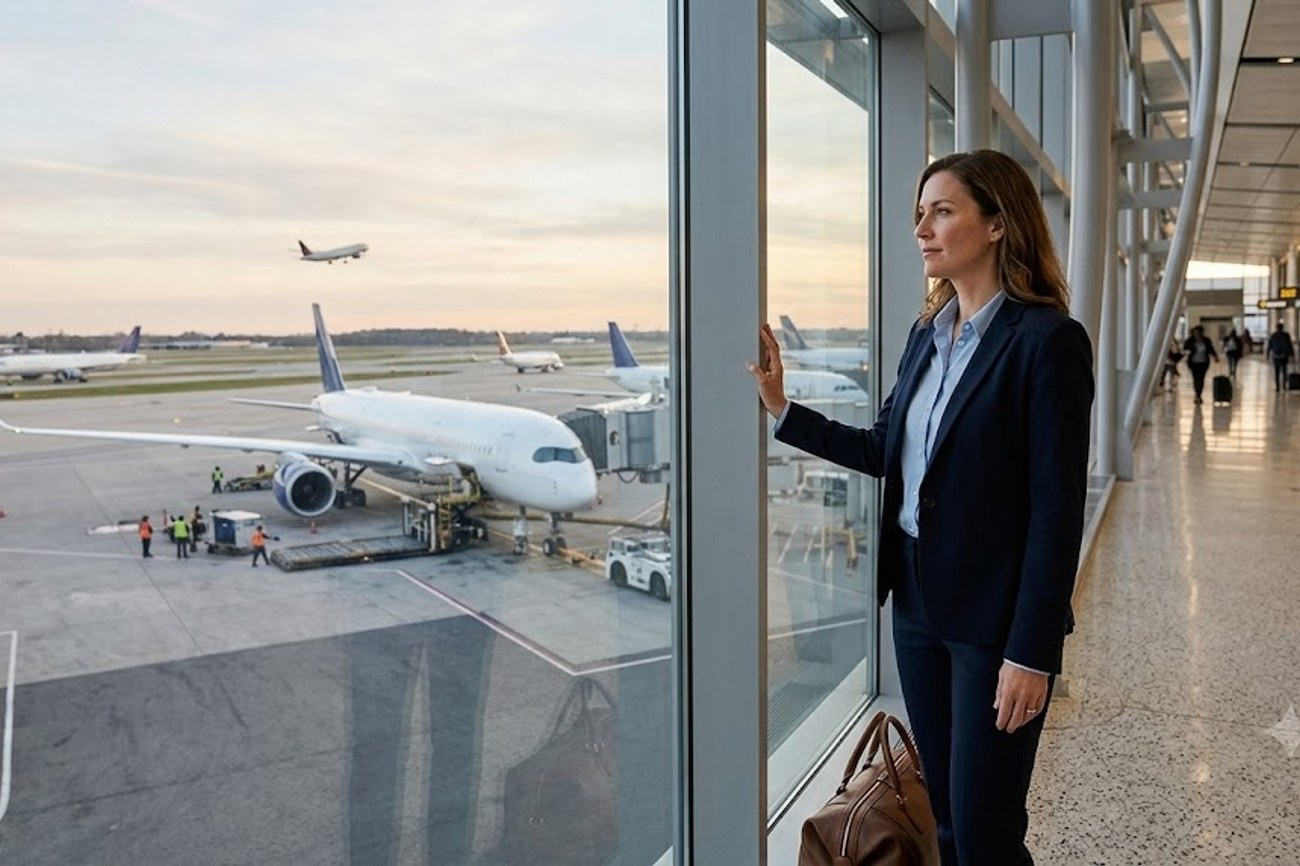
Image generated by AI
[Geneva, May 2024] — An unnamed carrier is preparing a strategic network expansion for Summer 2027, anchored by a fleet increase that will see its narrow-body aircraft count rise from six to eight units by the first quarter of 2027.
The expansion focuses on strengthening connectivity between Europe and the Middle East. According to Alessandro, the airline's Head of Network, Revenue Management and Alliances, the carrier is currently leveraging a mixed fleet of Airbus A220 and A320 aircraft to facilitate medium-haul and regional growth. The airline is simultaneously pursuing new interline and codeshare agreements to extend its global reach without the immediate need for further aircraft procurement.
Fleet Growth and Capacity Triggers
The primary catalyst for this expansion is a controlled increase in hardware. The airline currently operates six aircraft and has secured the delivery of two additional units, scheduled to arrive by Q1 2027. This 33% increase in fleet size is designed to provide the operational flexibility required to launch new routes and increase flight frequencies on existing high-demand corridors.
By diversifying its fleet with both the A220 and A320, the carrier can better match aircraft capacity to market demand. The A220 allows for efficient operation on thinner regional routes, while the A320 supports higher-volume traffic, creating a scalable model for the Summer 2027 rollout.
Market Impact and Affected Regions
The airline is not pursuing a global footprint but is instead doubling down on its geographical strengths. The expansion is strictly targeted at two macro-regions:
- Europe: Strengthening regional connectivity and improving transfer opportunities for passengers moving across the continent.
- Middle East: Enhancing access to strategic markets and building "connecting flows" that link Middle Eastern hubs with European destinations.
The carrier is currently in active negotiations with various airport authorities to finalize these new destinations. While specific city pairs have not been disclosed, the airline confirmed it is currently fostering discussions at industry events to secure the necessary Airport Partnerships to support the Summer 2027 schedule.
Practical Traveler Advisory and Strategic Insights
For passengers, this expansion translates into more tangible options and smoother transit. The shift toward increased codeshare and interline partnerships means travelers will soon be able to book single-ticket journeys that combine this carrier's flights with those of partner airlines, reducing the friction of self-transferring at hubs.
Direct Passenger Impacts:
- More Flight Options: The addition of two aircraft will likely result in higher flight frequencies, meaning fewer "once-weekly" schedules and more daily or multi-weekly options.
- New Destinations: Travelers can expect a "handful" of new city pairs to be announced shortly, with the full network coming online by Summer 2027.
- Better Connectivity: The focus on "connecting flows" between Europe and the Middle East suggests shorter layovers and more logical routing for long-haul passengers.
- Price Stability: Despite global fuel volatility, the airline has not adjusted its Summer 2026 pricing or availability, suggesting a period of relative stability for early bookers.
Operational Challenges and Risk Management
The airline is navigating a volatile operational environment characterized by fuel price instability and geopolitical tension. While fuel costs are being monitored closely, the carrier has explicitly stated that it has not taken "drastic measures" or modified its Summer 2026 sales in response to the fuel crisis.
However, geopolitical instability has already left a mark on the schedule. The airline confirmed that previous adjustments to the Summer 2026 timetable were driven primarily by the crisis in Iran and broader Middle East instability. These factors created operational constraints and shifted demand patterns, forcing the airline to pivot its scheduling. Management indicates that these conditions are now improving, allowing the carrier to return to its growth trajectory.
The airline's strategic expansion for Summer 2027 focuses on increasing capacity through new aircraft deliveries and strengthened hub partnerships. Travelers can monitor updated flight schedules and route announcements directly via the International Air Transport Association (IATA) to understand global aviation standards and connectivity trends.
The Road to Summer 2027
The timeline for the airline's growth is phased. The immediate priority is the maintenance of the Summer 2026 schedule, which remains on sale without fuel-related adjustments. Following this, the delivery of the two new Airbus aircraft in Q1 2027 will serve as the operational trigger for the Summer 2027 expansion.
The airline is currently in the "conversation phase" with potential airport partners. While the bulk of the expansion is slated for 2027, the carrier hinted that some new destination announcements could arrive in the coming weeks. This suggests a staggered rollout where a few immediate routes are launched before the full fleet expansion is realized.
FAQ: Network Expansion 2027
How many planes will the airline have by 2027? The airline currently operates six aircraft and expects to expand to a total of eight units by the first quarter of 2027.
Which flight routes are being added? Specific destinations have not been named, but the airline is focusing on new routes within Europe and the Middle East, with announcements expected soon.
Has the fuel crisis affected ticket prices for 2026? No. The airline has confirmed that Summer 2026 operations are on sale and no adjustments have been made due to fuel price volatility.
Why were some flights recently changed? Recent schedule adjustments were not caused by fuel costs but were driven by geopolitical instability and operational constraints related to the crisis in Iran.
Growth is moving from the boardroom to the runway.
Related Travel Guides
- British Airways Syncretises With Qatar Airways and More as Tanzania Travel Access Expands Through New Kilimanjaro and Zanzibar Routes
- US Airlines Cut Flights as Fuel Costs Surge While Passenger Demand Keeps Aviation Strong
- Philippines Strengthens Batanes Aviation as Basco Weather Bid and Itbayat Terminal Works Support Travel
Disclaimer
This article is for informational and educational purposes only. It does not constitute legal, financial, or professional advice. While we strive to provide accurate and up-to-date information, travel policies, regulations, and conditions change rapidly. Always verify information with official sources before making travel decisions. Nomad Lawyer makes no representations about the accuracy, reliability, completeness, or suitability of the information provided. Readers should consult qualified professionals for advice specific to their circumstances. The views expressed in this article are those of the author and do not necessarily reflect the views of Nomad Lawyer.
Raushan Kumar
Founder & Lead Developer
Full-stack developer with 11+ years of experience and a passionate traveller. Raushan built Nomad Lawyer from the ground up with a vision to create the best travel and law experience on the web.
Learn more about our team →