Ultra-Comfortable Budget Flights 2026: Scoot, ZIPAIR, AirAsia, and LEVEL Redefine Low-Cost Long-Haul Travel

While low-cost air travel was long associated with punishing 28-inch seat spacing and remote secondary airfields, a modern wave of hybrid carriers anchored in Singapore, Japan, Malaysia, and Spain is deploying wide-body Boeing 787 Dreamliners and Airbus A330s that offer 31-inch economy pitch, quiet child-free zones, free high-speed Wi-Fi, and lie-flat beds at deep discounts. Backed by strict safety compliance certified through bodies like the Civil Aviation Authority of Singapore (CAAS), these innovative low-cost operators allow value-focused travelers to traverse transpacific, transcontinental, and intra-regional skies without sacrificing personal well-being or paying legacy business-class premiums.
The Hybrid Long-Haul Evolution: Wide-Body Fleets at Low Ticket Prices
The global budget aviation model has undergone a profound transformation. Rather than restricting operations to narrow-body single-aisle aircraft flying high-frequency short hops, leading low-cost carriers are investing heavily in advanced twin-aisle aircraft. The cornerstone of this strategy is the Boeing 787 Dreamliner, operated by Singapore's Scoot and Japan's ZIPAIR, alongside modern Airbus A330 wide-body jets flown by Malaysia's AirAsia X and Spain's LEVEL.
These advanced twin-aisle airliners provide distinct physiological benefits for long-haul journeys. Composite airframes permit higher cabin pressurization (simulating 6,000 feet instead of the traditional 8,000 feet) and elevated humidity levels, drastically reducing dehydration, headaches, and passenger fatigue across eight- to twelve-hour sectors. Coupled with quieter engine acoustics, electrochromic dimmable windows, and generous overhead storage, travelers enjoy an inflight atmosphere that rivals full-service legacy carriers while paying unbundled budget fares.
By unbundling services, hybrid carriers allow passengers to pay only for amenities they value. Travelers can secure low base fares for bare-bones seat transit, or purchase targeted upgrades such as dedicated quiet zones, extra-legroom seats, checked luggage bundles, or full lie-flat beds for a fraction of traditional flag-carrier rates.
What Makes Singapore, Japan, Malaysia, and Spain Different: Primary Hub Access and Product Strategy
Each of these four nations has shaped a distinctive operational model that challenges traditional assumptions about budget air transit:
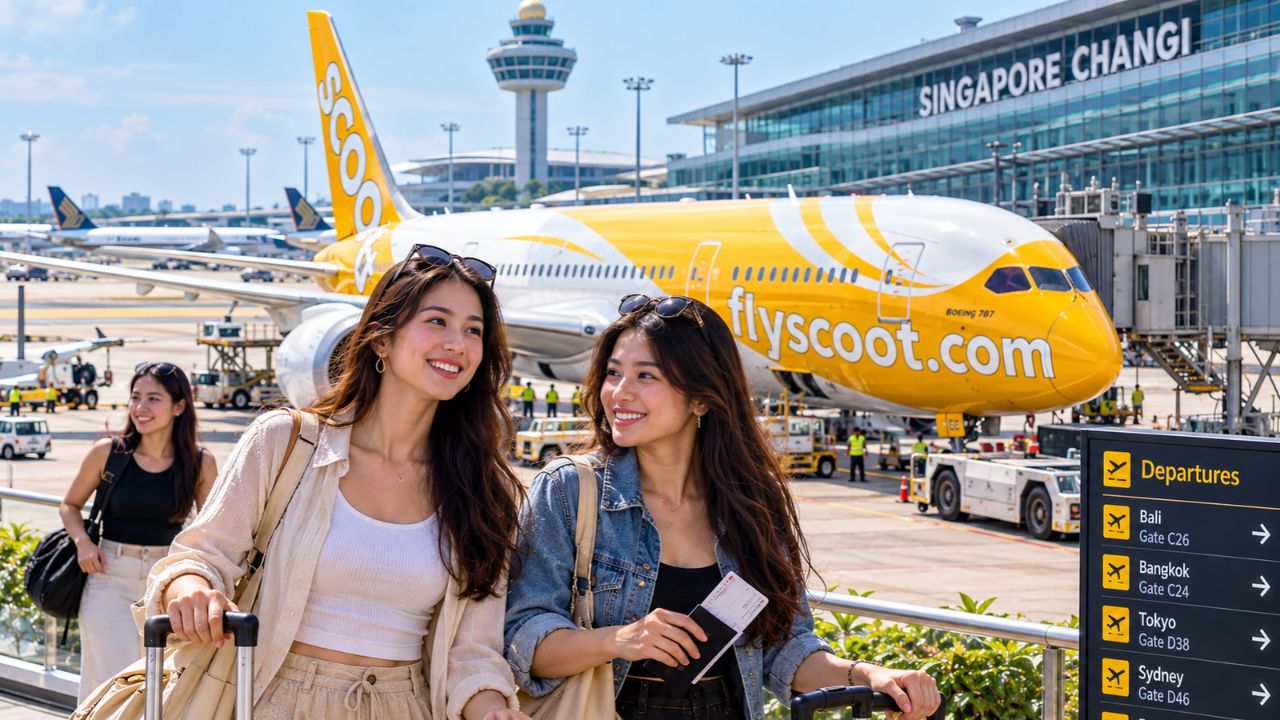
- Singapore (Scoot): The low-cost arm of Singapore Airlines leverages the world-class infrastructure of Singapore Changi Airport (SIN). Scoot operates a fleet comprising Boeing 787 Dreamliners and fuel-efficient Airbus A320 and A321neo aircraft. With a standard economy seat pitch of 31 inches, passengers enjoy significantly more knee room than on standard short-haul low-cost carriers. Standout features include 'ScootPlus'—a dedicated premium economy cabin with wide leather seats, power outlets, and inclusive meals—and 'Scoot-in-Silence,' an exclusive quiet zone reserved for travelers aged 12 and above. Scoot connects travelers across South Asia, Southeast Asia, East Asia, and Australia.
- Japan (ZIPAIR): Wholly owned by Japan Airlines, ZIPAIR operates out of Tokyo Narita Airport (NRT) using an exclusive fleet of Boeing 787-8 Dreamliners. Setting a high benchmark for transpacific budget aviation, ZIPAIR provides complimentary high-speed Wi-Fi for all passengers, 31-inch standard seat pitch, and an affordable 'ZIP Full-Flat' product featuring 180-degree lie-flat seats. With zero hidden fees and transparent pricing, travelers cross the Pacific to the US West Coast and Hawaii, or connect across East and Southeast Asia with authentic Japanese hospitality.
- Malaysia (AirAsia and AirAsia X): Headquartered at Kuala Lumpur International Airport (KUL), AirAsia Group optimizes regional low airport costs to offer competitive base fares across Asia and Australasia. For medium- and long-haul international routes connecting India, Japan, and Australia, sister airline AirAsia X flies wide-body Airbus A330s equipped with its renowned 'Premium Flatbed' cabin. These forward lie-flat seats include dedicated check-in desks, priority boarding, and 40kg baggage allowances, delivering business-class ergonomics at an accessible price.
- Spain (Vueling and LEVEL): Operating under the International Airlines Group (IAG), Spain's low-cost aviation ecosystem avoids secondary out-of-the-way airstrips. Vueling operates modern Airbus A320 and A321 jets from primary hubs at Barcelona–El Prat (BCN) and Madrid–Barajas (MAD), granting budget flyers direct high-speed rail and metro links into city centers. For transatlantic routes to North and South America, long-haul sister airline LEVEL flies wide-body Airbus A330 aircraft with ergonomic seating and flexible fare structures, connecting Europe and the Americas affordably through official tourism gateways endorsed by Spain's Official Tourism Board.
Global Ultra-Comfortable Low-Cost Airline Comparison (2026)
The table below provides a detailed structural comparison of the leading hybrid low-cost operators across Asia, Europe, and the Pacific:
| Country / Region | Flagship Airline(s) | Primary Hub(s) | Fleet Operated | Standard Economy Pitch | Standout Comfort / Value Feature | Core Route Networks |
|---|---|---|---|---|---|---|
| Singapore | Scoot | Singapore Changi (SIN) | Boeing 787 Dreamliner, Airbus A320/A321neo | 31 inches | ScootPlus premium cabin & Scoot-in-Silence quiet zones | South Asia, Southeast Asia, East Asia, Australia |
| Japan | ZIPAIR & Peach | Tokyo Narita (NRT) | Boeing 787-8 Dreamliner (ZIPAIR) | 31 inches | Free high-speed Wi-Fi & affordable 180° Full-Flat seats | Transpacific (US West Coast, Hawaii), East/Southeast Asia |
| Malaysia | AirAsia & AirAsia X | Kuala Lumpur International (KUL) | Airbus A320/A321, Airbus A330 (AirAsia X) | 28–30 inches | Premium Flatbed lie-flat options on medium/long-haul A330s | Intra-Southeast Asia, India, Japan, Australia |
| Spain | Vueling & LEVEL | Barcelona (BCN), Madrid (MAD) | Airbus A320/A321 (Vueling), Airbus A330 (LEVEL) | 28–30 inches | Operations out of primary main hubs; budget transatlantic LEVEL links | Intra-Europe, North Africa, the Americas |
Visitor Insider Tips: Maximizing Comfort on Hybrid Budget Flights
- Book Scoot-in-Silence for Overnight Asian Red-Eyes: When flying Scoot on overnight sectors between Australia, Southeast Asia, and India, spend the modest $15 to $25 surcharge to select a seat in the dedicated Scoot-in-Silence cabin behind ScootPlus. Children under 12 are excluded from this cabin, and headrests feature adjustable wings that make sleeping upright significantly easier.
- Bid on AirAsia X Flatbed Upgrades via Optiontown: If you hold a standard economy ticket on an AirAsia X Airbus A330 flight between Kuala Lumpur and Tokyo, Melbourne, or Delhi, keep an eye on upgrade bidding notifications sent 72 hours prior to departure. Securing a Premium Flatbed upgrade often costs less than half the published fare, granting full lie-flat comfort for long night flights.
- Download Offline Entertainment Before Boarding ZIPAIR: While ZIPAIR offers free inflight Wi-Fi capable of handling messaging, social browsing, and emails across the Pacific, streaming high-definition video can experience bandwidth throttling over open ocean routes. Download your offline streaming playlists to your tablet before departing Tokyo Narita, and use your personal device with ZIPAIR's in-seat power outlets and device holders.
- Select Primary Spanish Hub Connections to Avoid Secondary Airport Bus Fares: When planning intra-European itineraries with Vueling or transatlantic flights with LEVEL, factor in the hidden savings of landing at Barcelona–El Prat or Madrid–Barajas. Unlike secondary airports that demand expensive €15 to €25 airport shuttle bus rides taking 90 minutes, primary Spanish hubs connect directly to municipal metro and Cercanías commuter rail networks for under €5.
- Carry Your Own Lightweight Travel Blanket and Refillable Water Bottle: Hybrid low-cost airlines do not include complimentary blankets, pillows, or bottled water in standard economy tickets. Pack a compact Turkish cotton travel towel or packable down blanket, and fill your reusable water flask at Changi, Narita, or Barajas airport water stations immediately after passing security.
Cultural and Environmental Context: Fuel Efficiency, Fleet Decarbonization, and Democratic Travel
The rise of comfortable low-cost long-haul air travel carries meaningful environmental and social implications. Modern composite wide-body airliners like the Boeing 787-8 and Airbus A321neo consume up to 20% to 25% less fuel per seat-kilometer compared to previous-generation aircraft such as the Boeing 767 and Airbus A340. By operating dense, single-class or two-class configurations with high seat-load factors, hybrid carriers achieve lower per-passenger carbon footprints on high-volume trunk routes.
From a social standpoint, affordable long-haul connections democratize global exploration. International students, regional migrant workers, and independent cultural travelers who were previously priced out of transcontinental travel can now visit family or explore distant destinations without accumulating debt.
Moreover, by channeling long-distance travelers through efficient national gateways like Singapore Changi, Tokyo Narita, and Barcelona–El Prat, tourism revenue flows directly into local public transport grids, airport hospitality operations, and regional artisan markets, demonstrating that economical transit can coexist with high passenger satisfaction and community economic vitality.
FAQ: Booking Ultra-Comfortable Budget Flights in 2026
Which budget airlines fly wide-body Boeing 787 Dreamliners? Singapore's Scoot and Japan's ZIPAIR both operate modern Boeing 787 Dreamliner fleets, offering 31-inch standard economy seat pitch, quieter cabins, higher humidity levels, and affordable premium seat options.
Does ZIPAIR offer free Wi-Fi on transpacific flights? Yes. ZIPAIR provides complimentary high-speed Wi-Fi to all passengers on its Boeing 787-8 flights, allowing travelers to browse the web and send messages across Pacific and Asian routes without extra fees.
What is the difference between AirAsia X Premium Flatbed and traditional business class? AirAsia X Premium Flatbed offers a full lie-flat seat, 40kg baggage allowance, priority check-in, and complimentary meals. However, it does not include airport lounge access, extensive multi-course dining, or premium alcohol.
Do Spanish budget airlines fly to central city airports? Yes. Carriers like Vueling, LEVEL, and Iberia Express operate directly out of major international airports such as Barcelona–El Prat and Madrid–Barajas, providing swift metro and suburban train connections to downtown centers.
By combining fuel-efficient wide-body fleets with transparent pricing, today's hybrid airlines prove that traveling the globe on a budget no longer requires trading away human comfort.
Related Travel Guides
The 10 Best Long-Haul Low-Cost Airline Routes and Seat Hacks, According To Reddit (Coming Soon)
This article is for informational purposes. Flight routes, passenger regulations, visa rules, and transit advisories are subject to change by airlines and aviation authorities. Readers are advised to verify schedules and travel documentation with relevant carriers and border agencies before departure.
Related Stories
Villa Vie Odyssey Financial Collapse Strands 200 Residents in Cambodia, Canceling India Route

Villa Vie Odyssey Endless World Cruise Halts in Cambodia Due to 2026 Fuel Price Shocks