El Salvador Tourism 2026: Aviation Expansion, Surf City, and Historic Safety Turnaround Welcome Millions

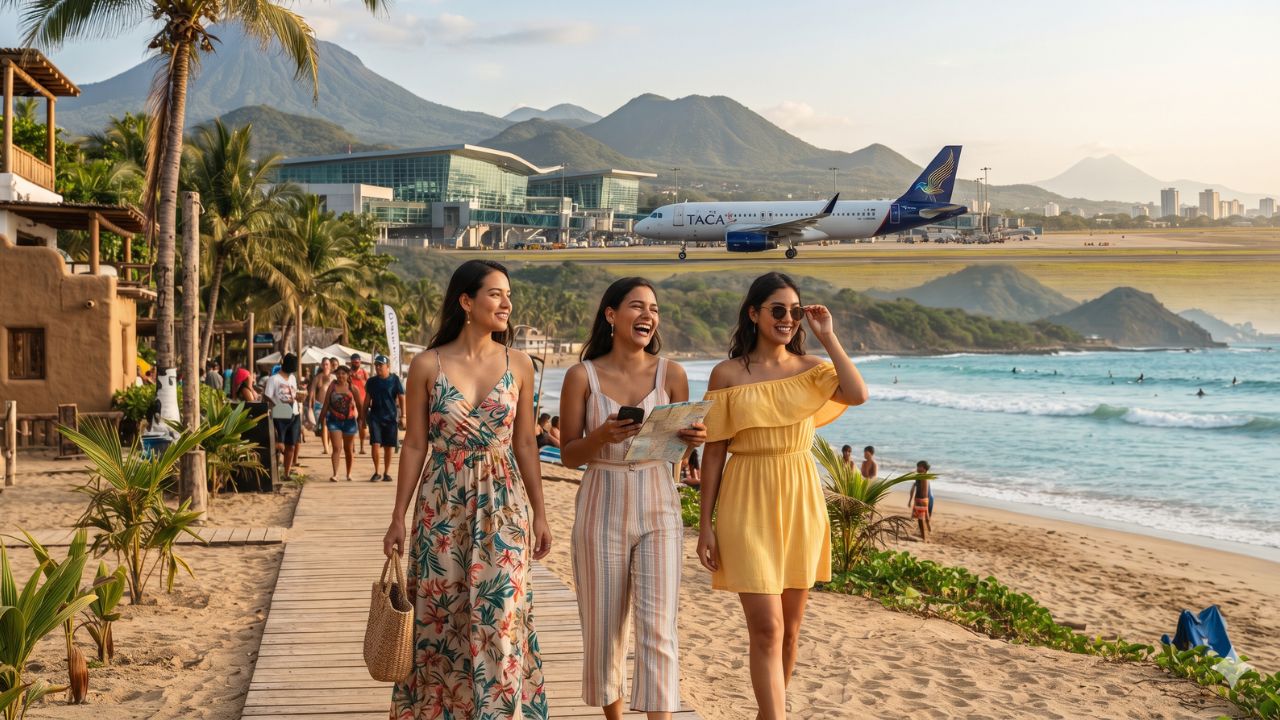
With its national homicide rate dropping to historic lows between 0.90 and 1.9 per 100,000 residents, El Salvador has secured a Level 1 "Exercise Normal Precautions" rating from the U.S. Department of State, anchoring an unprecedented travel renaissance that has welcomed 4.1 million international visitors and generated more than $4 billion in tourism revenue. For decades, travelers bypassed the smallest republic in Central America out of caution. Today, visitors stepping onto the sunlit tarmac of San Óscar Arnulfo Romero y Galdámez International Airport encounter a nation entirely redefined, where world-class Pacific point breaks, emerald volcanic crater lakes, and restored historic plazas operate under a reliable baseline of peace.
Aviation Renaissance: $245 Million Overhaul Scales San Salvador's Hub
At the center of El Salvador's connectivity surge is a massive $245 million national aviation infrastructure program overseen by the Salvadoran Civil Aviation Authority and the Autonomous Port Executive Commission (CEPA). The country's primary gateway, Comalapa International Airport (San Óscar Arnulfo Romero y Galdámez International Airport), has completed multi-phase engineering expansions that scaled annual passenger throughput beyond 5.2 million travelers alongside more than 51,000 aircraft movements.
To eliminate arrival bottlenecks, airport authorities inaugurated a spacious New Arrivals Terminal equipped with automated baggage-handling carousels and expanded immigration bays capable of processing up to 4,500 passengers per hour. Simultaneously, the historic Ilopango International Airport earned official operational certification, absorbing executive charter flights and regional light aviation to alleviate air corridor congestion around San Salvador.
International carriers have responded quickly to these technical improvements. The Salvadoran Civil Aviation Authority now coordinates 25 active commercial and cargo carriers, bolstered by 20 bilateral air transport agreements and 24 Memorandums of Understanding. Long-haul connections, including direct European services operated by carriers such as Iberojet, link San Salvador directly with international hubs. Under Minister of Tourism Morena Valdez, national figures confirm that the country welcomed 2.1 million arrivals during the opening five months of the year, tracking firmly to eclipse 4.2 million total international visitors by year-end.
What Makes El Salvador Different: Point Breaks, Volcanic Trails, and Overland Access
Unlike larger regional neighbors where transit between destinations consumes entire travel days, El Salvador's compact geography allows travelers to surf legendary Pacific point breaks at dawn and hike through misty coffee plantations by afternoon. The country's Pacific coastline features some of the planet's most consistent right-hand cobblestone point breaks, centered around Punta Roca, El Zonte, and Sunzal.
Beyond aviation arrivals, terrestrial connectivity plays an outsized role in the nation's travel growth. Between 56% and 63% of all international visitors enter El Salvador through overland border crossings, highlighted by an impressive 44% surge in travelers originating from Guatemala alongside consistent inbound journeys from Honduras. Streamlined customs processing and upgraded border facilities have converted overland journeys into frictionless regional travel corridors.
Travelers are also staying longer and investing more deeply in local experiences. Data from the Salvadoran Tourism Corporation (CORSATUR) reveals that average daily visitor spending climbed 10.9% year-over-year to reach $155.90 per traveler. While base daily travel expenses remain 30% to 40% more affordable than in neighboring countries, premium spending across boutique coastal eco-lodges, guided volcano ascents, and heritage coffee fincas has elevated total tourism revenue toward a projected annual yield of $3.6 billion to $4 billion, contributing approximately 14% to national Gross Domestic Product.
El Salvador Aviation, Security, and Tourism Performance Metrics
The table below outlines key statistical benchmarks documenting El Salvador's infrastructure expansion, visitor spending, and security turnaround:
| Performance Metric | Recorded Indicator | Strategic Context & Significance |
|---|---|---|
| Aviation Modernization Investment | $245 million program | Nationwide structural upgrade managed by CEPA and civil aviation authorities |
| Comalapa Airport Annual Throughput | Over 5.2M passengers | Accompanied by 51,000+ aircraft movements and automated baggage handling |
| New Arrivals Terminal Capacity | Up to 4,500 passengers/hour | Streamlined customs processing and expanded biometric immigration bays |
| Active Commercial & Cargo Carriers | 25 airlines | Supported by 20 bilateral agreements and 24 Memorandums of Understanding |
| National Homicide Rate | 0.90 to 1.9 per 100,000 | Historic reduction under the State of Exception; lowest in Central America |
| U.S. State Department Advisory | Level 1: Exercise Normal Precautions | Highest international travel safety classification |
| POLITUR Tourist Police Coverage | 100% of high-density visitor areas | Multilingual security personnel stationed at beaches, parks, and border gates |
| Total International Visitors | 4.1M recorded (>4.2M projected) | Strong velocity initiated by 2.1 million arrivals in first five months alone |
| Total Tourism Economic Yield | $3.6 billion to $4.0 billion | Accounts for an estimated 14% direct contribution to national GDP |
| Average Daily Visitor Spend | $155.90 per traveler | +10.9% year-over-year increase across lodging, dining, and guided excursions |
| Regional Travel Price Advantage | 30% to 40% lower costs | Core travel expenses remain significantly below neighboring Central American peers |
| Overland Border Arrivals | 56% to 63% of total transit | Driven by +44% surge from Guatemala and streamlined border infrastructure |
| Formal Tourism Registry | 1,000+ registered enterprises | Formalized hotels, surf schools, transport operators, and artisan cooperatives |
Visitor Insider Tips: Navigating El Salvador Like a Local
- Catch the Morning Glass at Punta Roca: Pacific swell conditions along La Libertad peak between March and October, but the cleanest waves hit right at sunrise before offshore winds turn onshore around 10:30 AM. Base yourself in El Tunco or quiet El Zonte, and hire a local surf guide to navigate the cobblestone entry points at Punta Roca safely.
- Feast on Hot Pupusas in Olocuilta: On your drive between Comalapa Airport and San Salvador along the Comalapa highway, pull over at the pupusódromos of Olocuilta. Order pupusas de arroz (rice-flour pupusas stuffed with melted quesillo, loroco buds, and chicharrón) accompanied by tangy pickled curtido and warm salsa de tomate. Eating them with a fork is an unspoken faux pas; locals eat them with their fingers.
- Climb Santa Ana Volcano Early: The trail up Ilamatepec (Santa Ana Volcano) leads to an iridescent turquoise sulfuric crater lake. Arrive at the trailhead inside Cerro Verde National Park by 8:00 AM to register for official park guide departures before cloud cover rolls across the crater rim at midday.
- Leverage POLITUR for Rural Excursions: El Salvador's specialized Tourism Police (POLITUR) provide complimentary safety accompaniments and route advice for independent hikers and motorists exploring off-the-beaten-track waterfalls, archaeological ruins, and remote mountain peaks. Officers are stationed at regional offices throughout high-traffic corridors and can be arranged ahead of time.
- Explore the Maya Pompeii at Joya de Cerén: Plan a morning excursion to Joya de Cerén Archaeological Site, a UNESCO World Heritage treasure preserved beneath volcanic ash from the Loma Caldera eruption around 600 CE. Unlike monumental ceremonial pyramids, Joya de Cerén offers an authentic window into ancient daily agrarian life, complete with preserved adobe storehouses, communal kitchens, and steam baths.
- Tour the Coffee Haciendas of the Ruta de las Flores: Rent a car to wind through the colonial mountain towns of Juayúa, Apaneca, and Ataco. Visit during the weekend food fair in Juayúa, sample high-altitude Bourbon and Pacamara coffee varieties, and explore state-sanctioned travel itineraries on the official El Salvador Travel Portal.
Cultural and Environmental Context: Coastal Preservation and Community Empowerment
El Salvador's rapid travel expansion brings transformative economic opportunities to coastal towns and highland villages. The government's Surf City initiative has formalized more than 1,000 local businesses, creating stable employment in areas that once suffered from outward economic migration. International sporting events, including circuits sanctioned by the World Surf League and the International Surfing Association (ISA), generate near-100% hotel occupancy during competitive windows, channeling direct income to family-run restaurants, surf coaches, and transport drivers.
At the same time, maintaining environmental equilibrium remains central to long-term sustainability. The Salvadoran Institute of Tourism has directed public investments into secondary destinations, highlighted by the Costa del Sol project. This development focuses on upgrading recreational amenities, modernizing estuary connections, and installing low-impact eco-cabins to accommodate seasonal travel peaks while protecting sensitive mangrove estuaries and sea turtle nesting grounds.
By distributing visitor arrivals away from saturated coastal nodes into mountain artisanal villages and heritage sites, conservationists and community leaders aim to preserve natural habitats while ensuring the dividends of national development enrich rural Salvadoran families.
FAQ: Visiting El Salvador in 2026
How safe is El Salvador for foreign travelers right now? El Salvador holds a Level 1 "Exercise Normal Precautions" rating from the U.S. State Department. Homicides have fallen to 0.90–1.9 per 100,000 residents, and specialized POLITUR tourist police patrol all major visitor zones.
What is the capacity of San Salvador's modernized airport? Comalapa International Airport processes over 5.2 million travelers annually. Its New Arrivals Terminal features automated baggage handling and customs desks capable of handling up to 4,500 passengers per hour.
Do I need cash, or is Bitcoin accepted everywhere? The US Dollar is the primary official currency across all restaurants, taxis, and markets. While Bitcoin is legal tender and accepted at major establishments, carrying small US Dollar denominations ($1, $5, $10) is essential for local markets.
How do most regional travelers arrive in El Salvador? Between 56% and 63% of international travelers enter via overland border crossings, led by visitors from neighboring Guatemala and Honduras who benefit from modern customs gates and expedited transit procedures.
From the thundering swells of Punta Roca to the emerald rim of Santa Ana's crater, El Salvador welcomes the global travel community to experience a peaceful, confident nation writing its finest chapter.
Related Travel Guides
The 10 Best Surf Breaks and Coffee Haciendas in El Salvador, According To Reddit (Coming Soon)
This article is for informational purposes. Flight routes, passenger regulations, visa rules, and transit advisories are subject to change by airlines and aviation authorities. Readers are advised to verify schedules and travel documentation with relevant carriers and border agencies before departure.
Related Stories
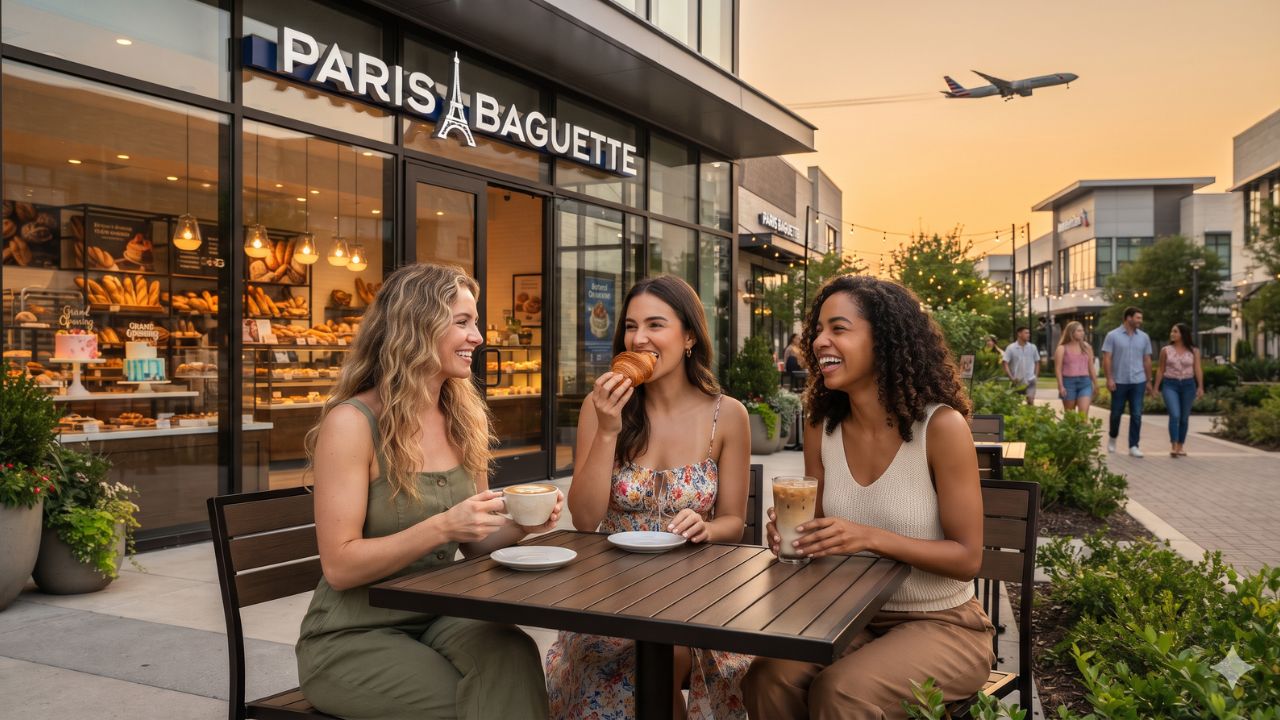
Euless Food Tourism 2026: Paris Baguette Opens in Glade Parks Near DFW Airport with Artisan Breads and Pastries

New Westminster Halloween 2026: Haunted Heritage Lantern Tours, Riverfront Quayside Parties, and the Firehall Pumpkin Smash