
Columbia Tourism Hits Historic Milestone With $3 Billion Economic Boost and 17.4 Million Visitors in 2025
Columbia's tourism sector achieved a record-breaking $3 billion economic impact in 2025, driven by 17.4 million travelers and a massive surge in culinary spending.

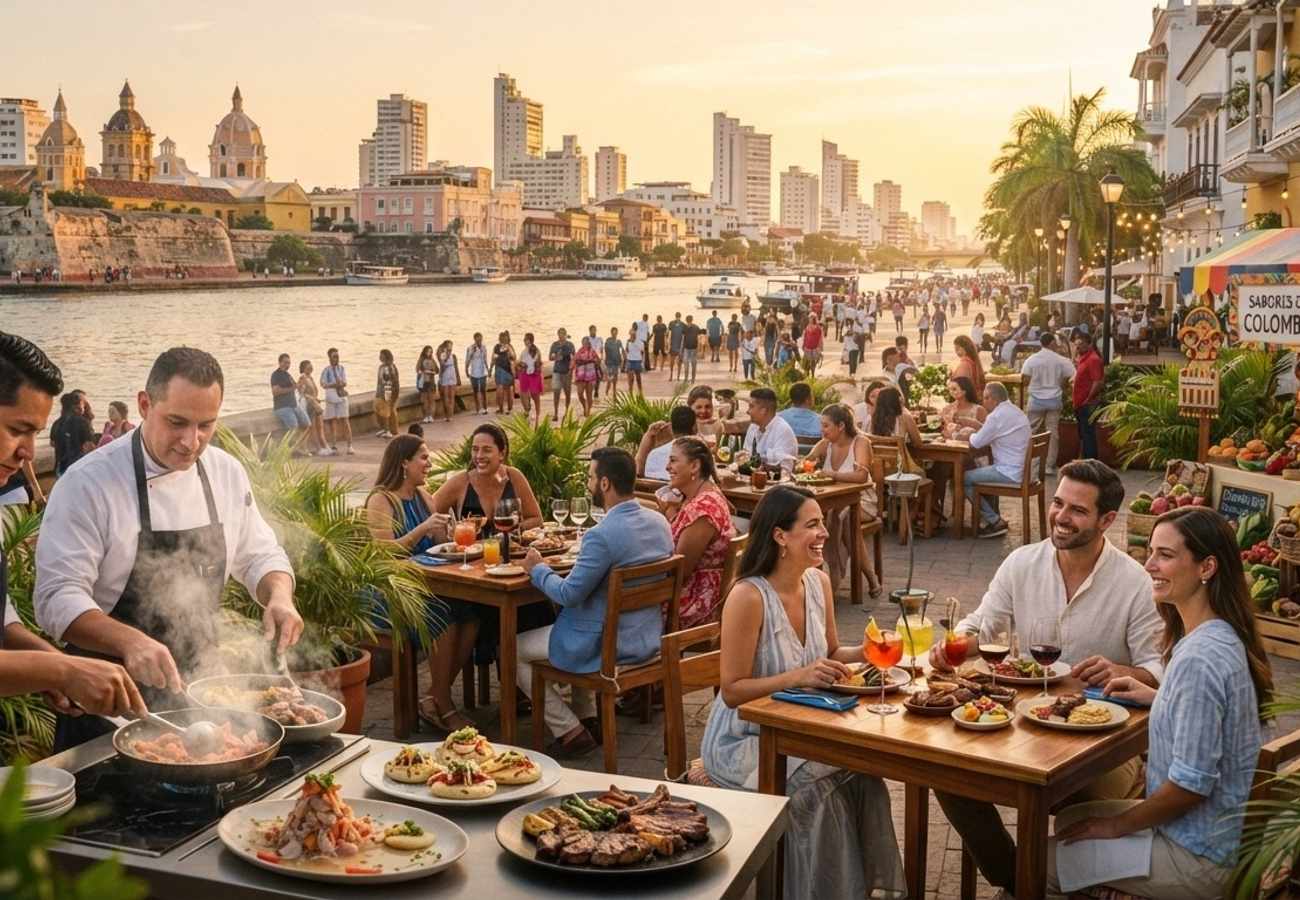
Image generated by AI
Columbia's travel sector has shattered previous records, generating a massive $3 billion economic injection in 2025 following an influx of 17.4 million visitors. This surge in travel not only bolstered regional businesses but also directly created 23,731 new jobs, cementing tourism as a primary pillar of the region's financial stability.
The scale of this growth indicates a fundamental shift in how the region attracts guests, moving toward a diversified experience where high-spending visitors contribute to a wide array of local industries. Of the total $3 billion impact, $1.9 billion was derived directly from traveler expenditures, signaling a robust appetite for local services and attractions.
Culinary Experiences Drive Record-Breaking Visitor Spending
The most significant trend identified in the 2025 data is the meteoric rise of the food and beverage sector. Dining has officially become the primary catalyst for tourist expenditure in Columbia, with visitors spending $594 million on meals, drinks, and culinary tours.
This spending accounts for 31% of all visitor expenditures, making it the largest single category of spending. More impressively, the food and beverage segment outperformed every other tourism metric in terms of growth. It recorded a 3.8% year-on-year increase compared to 2024, surpassing the growth rates seen in retail, recreation, entertainment, and lodging.
This shift suggests that "culinary tourism" is no longer a niche market but a central draw for the region. The ripple effect of this spending has extended beyond the restaurants themselves, benefiting local farmers, beverage suppliers, and the broader hospitality supply chain.
Employment Surge and Regional Income Growth
The economic benefits of the 17.4 million visitors extended far beyond the cash registers of local shops. Industry reports indicate that tourism activity generated $730 million in personal income for residents, creating a substantial wealth-building effect across various socio-economic tiers.
Employment data reveals a critical dependency on the travel sector, with approximately one out of every 14 jobs in the region now supported by visitor activity. The hospitality sector, specifically food and beverage, bore the brunt of this employment boom, supporting 8,820 individual jobs.
Beyond dining, the steady stream of travelers provided essential stability for:
- Hotel and lodging operators
- Local transportation providers
- Entertainment and arts venues
- Retail boutiques and service-based businesses
Broad-Scale Business Expansion and Supply Chain Impact
When analyzing the "multiplier effect"—which includes employee spending and supply chain procurement—the impact on local business sales becomes even more pronounced. The food and beverage industry alone generated $636.2 million in total business sales when these indirect factors were factored in.
This systemic growth has encouraged a new wave of entrepreneurship within the region. The increased revenue has led to higher capital investment in infrastructure and service upgrades, as local business owners seek to meet the demands of a growing international and domestic visitor base. This cycle of investment and spending has strengthened the overall economic environment, making the region more resilient to market fluctuations.
Tourism Revenue Offsets Local Tax Burdens
One of the most tangible benefits for the permanent residents of Columbia is the reduction of the local tax burden. Tourism acts as a massive revenue generator for the government, providing funds for public services that would otherwise be funded by residents.
In 2025, visitor activity generated a total of $323 million in government revenue. This includes $153 million specifically in state and local tax revenue.
The financial impact on the average household is significant. Industry analysis suggests that without the tax contributions provided by the 17.4 million visitors, local households would have been forced to pay an estimated $523 more in annual taxes to maintain the current level of government services and public infrastructure.
Columbia's Strategic Evolution as a Global Destination
The 2025 performance metrics confirm that Columbia has successfully transitioned into a top-tier destination for business travelers, leisure seekers, and food enthusiasts. The synergy between visitor-focused investment and high-quality hospitality has created a sustainable ecosystem for growth.
The data suggests that the region is now perfectly positioned to scale further. With a proven track record of attracting millions of visitors and a diversified spending pattern, the region is no longer reliant on a single attraction but is instead a comprehensive destination.
2025 Tourism Economic Breakdown
| Metric | Value |
|---|---|
| Total Visitors | 17.4 Million |
| Total Economic Impact | $3 Billion |
| Direct Visitor Spending | $1.9 Billion |
| Food & Beverage Spending | $594 Million |
| Total Government Revenue | $323 Million |
| State & Local Tax Revenue | $153 Million |
| Personal Income Generated | $730 Million |
| Total Jobs Created/Supported | 23,731 |
| F&B Sector Jobs | 8,820 |
| F&B Year-on-Year Growth | 3.8% |
Why This Matters: The Shift to Experience-Based Economies
For the modern traveler, these statistics signal a region that is investing heavily in the "experience economy." The fact that food and beverage spending is the fastest-growing sector indicates that visitors are prioritizing authentic, local interactions over generic sightseeing.
From a logistical and legal standpoint, this surge creates a complex environment for local zoning and business licensing. As the food and beverage sector expands rapidly, the demand for commercial permits and health certifications increases, potentially leading to a more streamlined regulatory environment to accommodate growth.
For the resident, the $523 tax saving per household is a powerful argument for the continued promotion of tourism. It transforms the "nuisance" of crowds into a direct financial benefit, creating a community-wide incentive to maintain high standards of hospitality and infrastructure.
Columbia's transition from a transit point to a primary destination is now backed by billions of dollars in hard data.
Related Travel Guides
Disclaimer
This article is for informational and educational purposes only. It does not constitute legal, financial, or professional advice. While we strive to provide accurate and up-to-date information, travel policies, regulations, and conditions change rapidly. Always verify information with official sources before making travel decisions. Nomad Lawyer makes no representations about the accuracy, reliability, completeness, or suitability of the information provided. Readers should consult qualified professionals for advice specific to their circumstances. The views expressed in this article are those of the author and do not necessarily reflect the views of Nomad Lawyer.
Raushan Kumar
Founder & Lead Developer
Full-stack developer with 11+ years of experience and a passionate traveller. Raushan built Nomad Lawyer from the ground up with a vision to create the best travel and law experience on the web.
Learn more about our team →