
Aircraft United States: Why Military Planes Last 70+ Years
Military aircraft in the United States defy retirement timelines. The B-52 Stratofortress and C-130 Hercules remain operational after 70 years, outlasting newer designs through continuous modernization and proven durability.

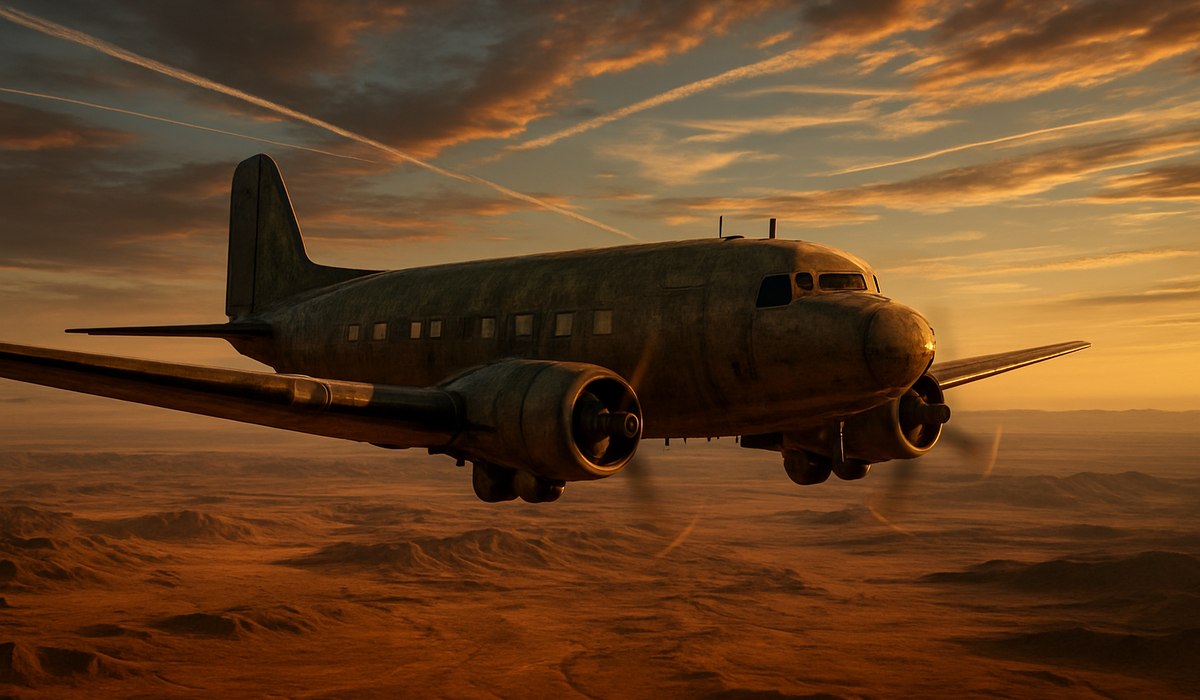
Image generated by AI
Why the Toughest Aircraft in the United States Keep Flying Decades Beyond Original Timelines
The Boeing B-52 Stratofortress and Lockheed C-130 Hercules remain active across United States military bases and airports worldwide, defying every prediction of obsolescence. While defense planners expected these aircraft to retire within two decades, modernization cycles and proven structural integrity have kept them operational for over 70 years. This phenomenon challenges conventional wisdom about aircraft lifespan and reveals why some platforms outlast multiple successor generations through engineering excellence and continuous technological upgrades.
Military aviation history typically moves fast. New aircraft designs replace older models within 20 to 30 years as avionics, engines, and combat systems advance. Yet select platforms in the United States military inventory have shattered this pattern, remaining mission-critical decades beyond their designed service lives. Their longevity stems from robust original engineering, modular design philosophies, and strategic investment in upgrades rather than replacement.
The B-52 Stratofortress: America's Most Durable Bomber
The Boeing B-52 Stratofortress represents the longest-serving military aircraft in the United States, with continuous operations spanning from 1955 to present day. Originally designed during the Cold War for nuclear deterrence, the B-52 has outlasted every strategic bomber successor except the newer B-21 Raider program. Current service projections extend the B-52 fleet through 2050, meaning aircraft built in the 1960s will have served over 85 years.
This extraordinary longevity stems from several factors. The B-52's airframe design prioritized structural durability, utilizing aluminum alloys and construction techniques that resist fatigue better than initially anticipated. Each generation of B-52s received comprehensive modernization packages: upgraded engines, new avionics suites, enhanced weapons systems, and improved cockpit displays. The modular approach allowed engineers to replace aging components without redesigning the entire platform.
Cost considerations heavily influenced the B-52's retention. Building a replacement aircraft in the United States costs billions in development and testing. Maintaining existing B-52s proved economically efficient, particularly when upgrades extended operational capability. The Air Force invested approximately $11 billion in B-52 modernization programs since 2000, extending service life at substantially lower cost than developing new platforms.
The C-130 Hercules: Unmatched Longevity in Military Transport
The Lockheed C-130 Hercules claims the title of most-produced military aircraft in the United States, with production spanning from 1954 through 2023. Over 2,400 variants have been manufactured, with roughly 1,500 still operational globally. The original C-130A first flew in 1955, meaning some aircraft in the United States military inventory have now served for 71 consecutive years.
The C-130's simplicity enabled its remarkable service life. Unlike high-performance fighters requiring cutting-edge materials and avionics, the Hercules emphasized practical utility: spacious cargo holds, rugged landing gear suitable for unprepared airfields, and straightforward mechanical systems. This uncomplicated engineering philosophy proved easier to upgrade and maintain over decades.
Continuous improvement cycles sustained the C-130's operational relevance. The platform evolved through multiple variants: C-130B through C-130J models incorporated new engines, digital avionics, terrain-following radar, and enhanced cargo handling systems. The United States military operates 13 different C-130 variants, each customized for specific mission sets from medevac to special operations.
Production longevity itself contributed to service life extension. Because manufacturers continuously built new C-130s through the 1990s and 2000s, spare parts availability remained excellent. Logistics networks supporting older aircraft benefited from steady component production. When the final C-130J rolled off assembly lines in 2023, decades of manufacturing expertise ensured extensive inventory stockpiles for maintenance programs.
Why Some Aircraft Outlast Their Replacements
The United States military has launched numerous replacement programs that ultimately failed or were cancelled. The F-35 fighter jet has experienced decades of development delays. The next-generation strategic bomber (B-21) remains in limited production. Replacement programs frequently exceed budget projections, miss delivery timelines, and introduce operational risks requiring extensive testing.
These challenges create windows where legacy aircraft become strategically valuable. The B-52 and C-130 bridge capability gaps while newer platforms undergo development. Their proven reliability reduces operational risk compared to immature platforms still undergoing testing. Military planners increasingly favor extending proven aircraft rather than betting on unproven replacements.
Institutional knowledge favors legacy platforms. Maintenance teams, pilots, and support personnel accumulated 50+ years of experience operating B-52s and C-130s. Transitioning entire organizations to new aircraft demands retraining, procedure development, and cultural change. The expertise surrounding established platforms represents enormous organizational capital, difficult to abandon without substantial justification.
Technological modularity enabled extended lifespans. Modern avionics, engine technologies, and weapons systems were retrofitted into older airframes. The B-52 received new engines in 2016 providing 14% increased thrust and 10% better fuel efficiency. The C-130 got digital glass cockpits, modern navigation systems, and enhanced cargo management technology. These upgrades made older aircraft competitive with contemporary designs without requiring complete replacement.
The Economics of Extended Aircraft Service Lives
The financial analysis clearly favors keeping legacy aircraft operational. A new strategic bomber program costs $50+ billion in development and acquisition. Maintaining and upgrading existing B-52s costs approximately $500 million annually across the entire fleet. Simple arithmetic demonstrates why the United States military invests in service life extensions rather than wholesale replacement.
Workforce stability strengthened the business case for retention. Military aircraft maintenance generates specialized employment across manufacturing hubs in California, Texas, and Connecticut. Retiring platforms eliminates these jobs. Extending service lives maintains employment, supporting political interests across multiple congressional districts. This economic reality influences budget priorities and procurement decisions.
Supply chain realities also matter. Concentrating aircraft production creates vulnerabilities. The F-35 program demonstrated how dependence on single suppliers and manufacturers introduces risk. Maintaining multiple legacy platforms distributes production across different suppliers and facilities, enhancing strategic resilience. The Department of Defense views extended legacy fleet operations as supply chain insurance.
Environmental considerations increasingly influence these decisions. Manufacturing new aircraft generates substantial carbon emissions and resource consumption. Extending existing aircraft service lives reduces environmental impact compared to complete fleet replacement. As sustainability becomes priority across military planning, life extension programs gain strategic advantage over replacement initiatives.
Key Data: Aircraft United States Service Longevity Records
| Aircraft Type | First Flight | Current Year | Years in Service | Total Aircraft Built | Still Operational (Approx.) |
|---|---|---|---|---|---|
| B-52 Stratofortress | 1955 | 2026 | 71 years | 744 | 76 |
| C-130 Hercules | 1955 | 2026 | 71 years | 2,400+ | 1,500 |
| KC-135 Stratotanker | 1957 | 2026 | 69 years | 820 | 400+ |
| E-3 Sentry AWACS | 1972 | 2026 | 54 years | 68 | 31 |
| P-3 Orion | 1961 | 2026 | 65 years | 650 | 200+ |
What This Means for Travelers
Extended military aircraft service lives affect civilian aviation through shared technology development, airport infrastructure allocation, and airspace utilization patterns. Commercial carriers benefit from technologies originally developed for military platforms, including improved engines, navigation systems, and safety features.
Understanding aircraft longevity helps travelers appreciate aviation engineering. Modern commercial jetliners like the Boeing 737 and Airbus A320 will likely operate beyond 50 years
Disclaimer
This article is for informational and educational purposes only. It does not constitute legal, financial, or professional advice. While we strive to provide accurate and up-to-date information, travel policies, regulations, and conditions change rapidly. Always verify information with official sources before making travel decisions. Nomad Lawyer makes no representations about the accuracy, reliability, completeness, or suitability of the information provided. Readers should consult qualified professionals for advice specific to their circumstances. The views expressed in this article are those of the author and do not necessarily reflect the views of Nomad Lawyer.
Kunal K Choudhary
Co-Founder & Contributor
A passionate traveller and tech enthusiast. Kunal contributes to the vision and growth of Nomad Lawyer, bringing fresh perspectives and driving the community forward.
Learn more about our team →