
B-21 Raider Comparison: Next-Gen Bomber Replaces B-1B in 2027
The Northrop Grumman B-21 Raider enters testing in 2026 with a 2027 operational deployment date, fundamentally reshaping U.S. Air Force bomber capabilities and replacing the B-1B Lancer across military aviation's next three decades.

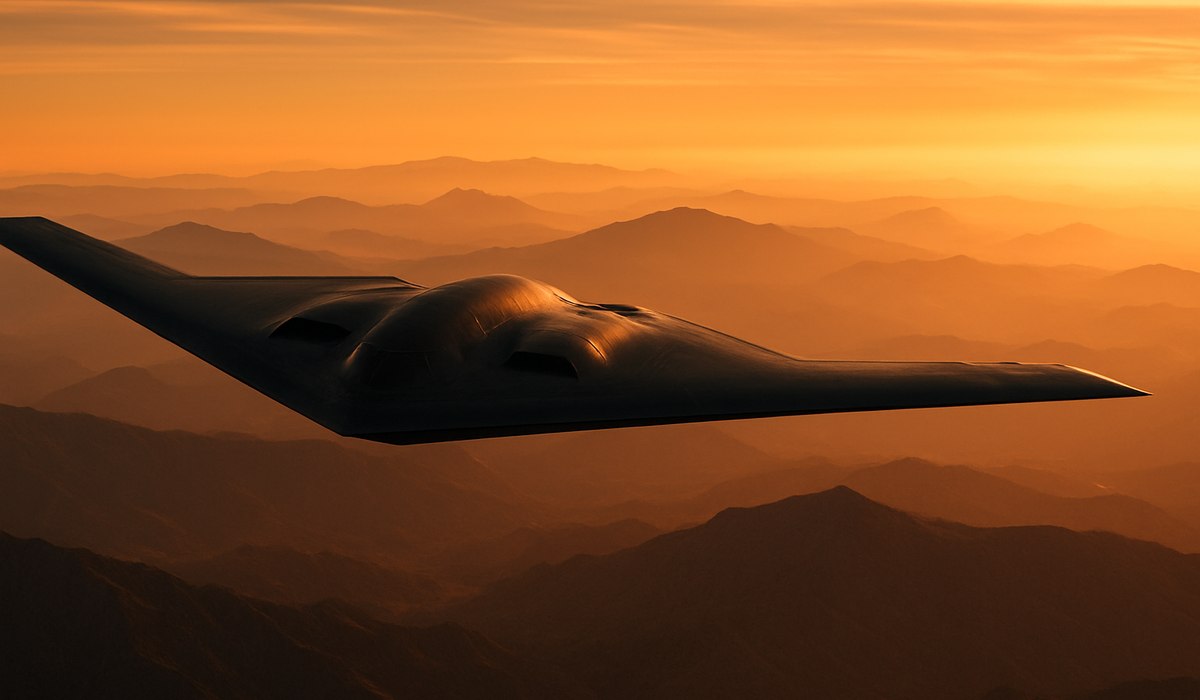
Image generated by AI
The B-21 Raider Enters Active Testing: America's Next Stealth Bomber
The Northrop Grumman B-21 Raider has begun test flights with the United States Air Force, marking a watershed moment in military aviation development. The next-generation stealth bomber is scheduled to achieve operational status by 2027, establishing a new baseline for American long-range strike capabilities across the coming decades. This milestone represents the culmination of extensive development efforts and signals the beginning of a generational shift in how the Air Force projects power globally.
The B-21 Raider comparison framework reveals a complex modernization strategy. The bomber will progressively replace the B-1B Lancer while simultaneously serving as a direct technological successor to the B-2 Spirit. Simultaneously, the venerable B-52 Stratofortress will continue flying alongside the B-21 into the 2050s, creating an unprecedented diversity of platforms within a single bomber fleet.
B-21 Raider: Next-Generation Bomber Overview
The B-21 Raider represents a fundamental leap in stealth technology, sensor integration, and autonomous capabilities. Built by Northrop Grumman under a development program spanning nearly two decades, this aircraft incorporates lessons learned from the B-2 Spirit while addressing operational requirements that emerged during three decades of post-Cold War deployments.
The B-21 Raider comparison with predecessor systems highlights revolutionary advancements. The aircraft features enhanced stealth characteristics, improved fuel efficiency, and reduced maintenance requirements compared to existing platforms. Its design prioritizes sustained operations in contested environments where adversary air defense systems present sophisticated threats.
The 2027 operational deployment date reflects confidence in the development timeline. Initial operating bases will begin receiving aircraft as the production ramp accelerates throughout the late 2020s. The Air Force plans to procure sufficient B-21 Raider aircraft to eventually replace the entire B-1B Lancer fleet while maintaining critical B-2 Spirit capabilities alongside the aging B-52 Stratofortress.
Northrop Grumman has optimized every aspect of the B-21 design for modern warfare requirements. The aircraft incorporates distributed processing architecture, advanced targeting systems, and networking capabilities that enable seamless integration with broader military operations. These features fundamentally distinguish the B-21 Raider comparison outcomes from earlier bomber designs.
B-21 vs B-1B Lancer: Replacement Strategy and Timeline
The B-1B Lancer has served as America's primary conventional strike platform since entering service in 1986. Over four decades of operation, the Lancer has demonstrated exceptional versatility across diverse mission sets, from precision strike operations to rapid global mobility. However, maintenance costs, structural fatigue from sustained operations, and evolving threat environments necessitate replacement.
The B-21 Raider comparison positions the new platform as the direct successor to the B-1B's conventional strike role. While the Lancer emphasizes speed and low-altitude penetration, the B-21 prioritizes stealth, survivability, and operational persistence in high-threat environments. This philosophical shift reflects lessons learned from conflicts where advanced air defense systems demanded alternative approach strategies.
The replacement timeline anticipates B-1B retirements beginning in the early 2030s. Initial B-21 Raider aircraft will supplement existing Lancer squadrons before progressively assuming full operational responsibility. This measured transition allows the Air Force to maintain continuous conventional strike capability while managing both maintenance burdens and manufacturing constraints.
Maintenance considerations fundamentally shape this replacement strategy. The B-1B requires extensive periodic maintenance, with some structural inspections consuming hundreds of maintenance hours annually. The B-21 Raider design incorporates simplified systems and reduced depot-level maintenance requirements, ultimately reducing operational costs despite higher unit acquisition expenses. Learn more about military aircraft procurement strategies through official Department of Defense channels.
B-21 vs B-2 Spirit: Direct Successor Comparison
The B-2 Spirit represents the technological pinnacle of 1990s stealth bomber design. This platform revolutionized military aviation through revolutionary blended-wing construction and comprehensive stealth integration. The B-2 established capabilities that remained unmatched for decades, though advancing threat environments now demand updated approaches.
The B-21 Raider comparison with the B-2 Spirit reveals evolutionary rather than revolutionary advancement. Both platforms prioritize stealth as the primary survival mechanism, operate across intercontinental ranges, and carry diverse weapons payloads. However, the B-21 incorporates modernized avionics, improved sensor fusion, and enhanced networking capabilities that reflect nearly three decades of technological progress.
The B-2 Spirit fleet currently comprises only 21 operational aircraft, making replacement challenging from a production capacity perspective. The B-21 Raider program anticipates manufacturing sufficient aircraft to eventually achieve fleet numbers around 100 platforms, fundamentally expanding strategic bombing capacity while maintaining stealth advantages. This expanded production represents a strategic priority for long-term military readiness.
Operational philosophy shapes the B-21 Raider comparison outcomes substantially. The B-2 Spirit was designed for Cold War strategic deterrence, optimizing for large payload delivery and sustained flight endurance. The B-21 emphasizes flexibility, autonomous operations, and integration within network-centric warfare frameworks that characterize 21st-century military operations. These distinctions position each platform for distinct operational roles throughout their service lives.
B-52 Stratofortress: Operating Alongside B-21 Into the 2050s
The B-52 Stratofortress first flew in 1955, establishing longevity records unmatched by any other military aircraft. Despite ongoing discussion about retirement, strategic value and programmatic constraints ensure the B-52 continues flying alongside the B-21 Raider through the 2050s. This unprecedented operational overlap demonstrates the Air Force's commitment to maintaining diverse capabilities.
The B-52 excels in specific mission sets where its capabilities remain unparalleled. Air-launched cruise missile employment, sustained patrol operations, and missions emphasizing payload capacity over stealth continue to favor Stratofortress employment. Rather than compete directly with the B-21, the B-52 fulfills complementary roles that leverage seven decades of operational development.
Current modernization investments extend B-52 service life substantially. New engines, updated avionics, and improved targeting systems position the Stratofortress for operational relevance throughout the next 25 years. The B-21 Raider comparison framework recognizes this complementarity, with each platform optimized for distinct operational scenarios within a unified bomber force structure.
The economic implications of maintaining both platforms warrant consideration. Modern military planners recognize that flexibility and capability redundancy provide strategic advantages beyond simple cost optimization. Three distinct bomber platforms—B-52, B-1B (transitioning to retirement), and B-21—represent intentional force structure planning rather than bureaucratic inefficiency. This approach ensures capability coverage across evolving threat environments throughout the 2027-2055 timeframe.
B-21 Raider Impact on Global Military Aviation
The B-21 Raider comparison extends beyond American systems into broader geopolitical considerations. Peer competitors including China and Russia have accelerated their own strategic bomber development programs in response to B-21 capabilities. This technological competition drives innovation cycles across global military aviation sectors.
The operational employment of B-21 Raider aircraft will reshape alliance relationships and burden-sharing calculations throughout the international security environment. Allied nations will evaluate their own long-range strike capabilities against this new American standard, potentially accelerating modernization timelines across NATO member states and partner nations throughout the Pacific region.
The B-21 Raider comparison also highlights American manufacturing resilience and technological leadership. Northrop Grumman's successful development maintains
Disclaimer
This article is for informational and educational purposes only. It does not constitute legal, financial, or professional advice. While we strive to provide accurate and up-to-date information, travel policies, regulations, and conditions change rapidly. Always verify information with official sources before making travel decisions. Nomad Lawyer makes no representations about the accuracy, reliability, completeness, or suitability of the information provided. Readers should consult qualified professionals for advice specific to their circumstances. The views expressed in this article are those of the author and do not necessarily reflect the views of Nomad Lawyer.
Preeti Gunjan
Contributor & Community Manager
A passionate traveller and community builder. Preeti helps grow the Nomad Lawyer community, fostering engagement and bringing the reader experience to life.
Learn more about our team →