
Cologne Bonn Airport: €9.75M EU Grant Funds Sustainable Aviation Initiative
Germany's Cologne/Bonn Airport (CGN) secures €9.75 million EU funding in March 2026 to modernize sustainable aviation infrastructure. Learn how this investment reshapes European air travel standards.

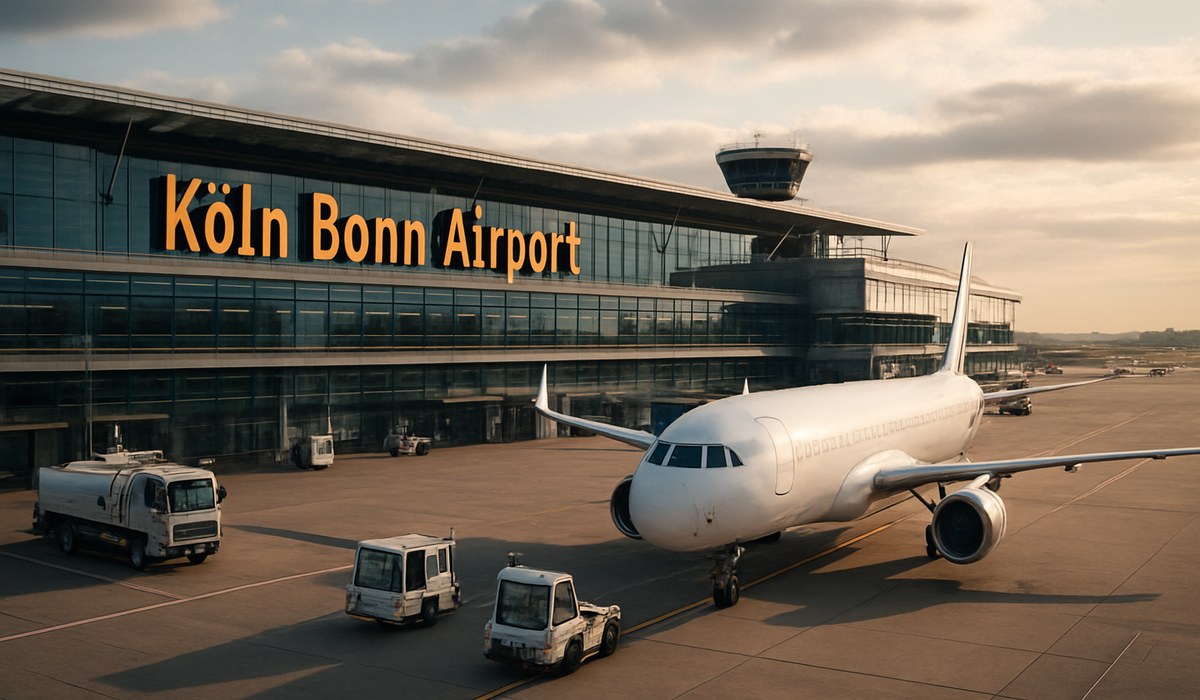
Image generated by AI
Cologne/Bonn Airport Receives €9.75 Million Sustainability Grant
Germany's Cologne/Bonn Airport (CGN) has secured €9.75 million in EU funding to establish new benchmarks for sustainable aviation across Europe. This substantial investment arrives as the airport implements comprehensive infrastructure upgrades designed to reduce carbon emissions and enhance operational efficiency. The grant underscores the European Union's commitment to transforming regional airports into environmental leaders within the aviation sector.
The funding initiative targets operational modernization across the facility's terminal systems, ground transportation networks, and aircraft servicing equipment. Airlines operating from this major hub will benefit from enhanced sustainable infrastructure that reduces their environmental footprint. This collaborative effort between German aviation authorities and EU policymakers positions Cologne/Bonn Airport as a model for other European airports seeking similar environmental certification.
Infrastructure Upgrades Drive Environmental Leadership
The €9.75 million grant enables Cologne/Bonn Airport to deploy cutting-edge sustainability systems throughout its operational zones. These upgrades include advanced ground power units that eliminate aircraft idling emissions, electric ground service vehicles, and renewable energy installations across terminal facilities. The airport's modernization plan directly addresses the International Air Transport Association (IATA) sustainability targets for 2030 and beyond.
Airlines using the facility gain immediate access to shore power technology that reduces dependency on auxiliary power units during ground operations. This infrastructure investment particularly benefits carriers operating regional European routes through Germany's Cologne Bonn hub. The comprehensive upgrade program reduces operational costs for airlines while advancing their own corporate sustainability commitments.
Terminal expansion improvements incorporate energy-efficient lighting systems, optimized HVAC infrastructure, and water conservation technologies. These enhancements create measurable emission reductions across the airport's supply chain. The project timeline spans 24 months, with phased implementation minimizing disruption to daily airline operations and passenger services.
Airlines Benefit from Advanced Sustainable Ground Operations
Major carriers including Lufthansa, Ryanair, and Eurowings operate extensive networks through Cologne/Bonn Airport (CGN), making them primary beneficiaries of this sustainability investment. These airlines gain competitive advantages through reduced operational expenses tied to ground handling improvements. The modernized facilities attract additional airline partnerships seeking European airports with demonstrated environmental credentials.
Airlines operating transatlantic routes from Germany's Cologne Bonn hub can now market their sustainability commitments to environmentally conscious passengers. The facility's EU-backed improvements provide airlines with third-party certification supporting their net-zero aviation initiatives. This positions the airport as a preferred hub for carriers implementing comprehensive sustainability strategies.
The airport's commitment attracts new airline routes focused on regional European markets with strong sustainability-conscious demographics. Carriers planning capacity expansion within Germany and the broader Eurozone increasingly prioritize airports demonstrating measurable environmental progress. IATA sustainability standards guide the airport's technological selections and operational frameworks.
Regional Connectivity Enhanced Across Europe
Germany's Cologne/Bonn Airport serves over 120 destinations across Europe, Africa, and Asia, making sustainability improvements relevant to millions of annual travelers. The airport's 2026 investment strengthens regional connectivity by reducing operational delays tied to environmental compliance issues. Enhanced ground infrastructure enables faster aircraft turnaround times while maintaining strict emissions standards.
The airport's strategic location within Germany's Rhine-Ruhr metropolitan region positions it as Europe's gateway to Western European markets. Sustainability upgrades increase the facility's appeal to international carriers seeking efficient European connection points. The €9.75 million investment generates competitive advantages within Germany's competitive airport marketplace.
Routes from Cologne/Bonn to major European hubs in France, United Kingdom, Spain, and Scandinavia receive operational improvements through enhanced ground services. Regional airlines and international carriers benefit from reduced ground delays enabled by upgraded airport infrastructure. The modernization program supports the airport's capacity targets for the 2026-2030 strategic planning period.
EU Funding Framework Supports Green Aviation Goals
The European Union's €9.75 million grant reflects broader commitments to decarbonizing continental aviation by 2050. The funding mechanism prioritizes airports demonstrating measurable environmental progress and infrastructure innovation. Germany's Cologne/Bonn Airport qualified for this competitive grant program through comprehensive sustainability planning and operational transparency.
EU policymakers recognize regional airports as critical infrastructure requiring investment in green technology adoption. The grant mechanism encourages airports across the continent to implement similar sustainability frameworks. This funding model supports the EU's broader aviation decarbonization strategy aligned with European Green Deal objectives.
The investment demonstrates how public funding mechanisms accelerate private sector sustainability adoption across aviation infrastructure. Airport authorities, airlines, and ground service operators collectively benefit from coordinated EU environmental policy. The €9.75 million represents initial funding, with additional investment rounds planned through 2030 for airports meeting established benchmarks.
| Category | Investment Focus | Expected Impact | Timeline | Primary Beneficiaries |
|---|---|---|---|---|
| Ground Operations | Electric GSE Vehicles | 40% emissions reduction | 18 months | Lufthansa, Eurowings, Ryanair |
| Terminal Systems | Shore Power Units | 35% auxiliary unit reduction | 12 months | All airlines using CGN |
| Energy Infrastructure | Renewable Installation | 25% facility energy reduction | 24 months | Airport operations staff |
| Transportation Access | EV Charging Network | 50% ground transport electrification | 20 months | Passengers, airport employees |
| Water Systems | Conservation Technology | 30% water usage reduction | 18 months | Terminal facility operations |
| Air Quality | Emission Monitoring | Real-time emissions tracking | 6 months | EU aviation authorities |
What This Means for Travelers
Passengers flying through Germany's Cologne/Bonn Airport in 2026 and beyond will experience modernized facilities reflecting cutting-edge sustainability standards. The airport's infrastructure improvements deliver tangible benefits through:
-
Faster Ground Operations – Enhanced ground service infrastructure reduces aircraft turnaround times, decreasing overall flight delays and connection disruptions.
-
Improved Air Quality – Advanced emission monitoring systems and electric ground vehicle fleets create noticeably cleaner air throughout terminal areas and parking zones.
-
Expanded Route Networks – Sustainability improvements attract additional airline partnerships, increasing flight frequency and destination options for travelers from Germany and surrounding regions.
-
Enhanced Terminal Comfort – Energy-efficient climate control and optimized facility systems improve terminal environments during peak travel periods.
-
Extended Electric Transportation – Expanded EV charging infrastructure supports sustainable ground transportation options for airport employees, passengers, and rental vehicle operators.
-
Premium Environmental Credentials – Airlines operating through this facility now offer passengers transparent sustainability reporting backed by EU-certified infrastructure investments.
Travelers planning trips through Cologne/Bonn Airport benefit from world-class sustainable aviation infrastructure comparable to Europe's leading environmental performers like Copenhagen and Stockholm airports.
Frequently Asked Questions
What specific sustainability improvements are arriving at Germany's Cologne/Bonn Airport in 2026? The €9.75 million EU grant funds electric ground service vehicles, shore power units eliminating aircraft idling, renewable energy systems, and advanced emissions monitoring technology across terminal facilities. Implementation spans 24 months with phased rollout minimizing operational disruption for airlines and passengers.
Which airlines operate from Germany's Cologne/Bonn Airport and benefit from these sustainability upgrades? Lufthansa, Eurowings, Ryanair, and TUI Airways operate significant networks through Cologne/Bonn Airport (CGN). These carriers gain immediate access to sustainable ground infrastructure reducing operational expenses while advancing their corporate environmental commitments and passenger-facing sustainability marketing.
How does the €9.75 million EU grant compare to sustainability investments at other European airports? This funding level positions Cologne/Bonn among Europe's major sustainability initiatives, comparable to investments at Frankfurt, Munich, and Hamburg airports. The grant reflects the EU's strategic prioritization of regional hubs within the broader European Green Deal framework supporting net-zero aviation by 2050.
When will travelers see operational benefits from these sustainability improvements? Phased implementation begins immediately with shore power units and electric vehicle fleets operational within 12-18 months. Full infrastructure deployment concludes within 24 months, meaning most travelers will experience modernized sustainable facilities by Q1 2027 or Q2 2027 depending on specific project completion sequences.
Related Travel Guides
Frankfurt to Cologne: Airport Connections and Ground Transportation
European Sustainable Airport Guide 2026
Germany Rhine Valley Travel with Low-Carbon Airport Options
Disclaimer
This article is for informational and educational purposes only. It does not constitute legal, financial, or professional advice. While we strive to provide accurate and up-to-date information, travel policies, regulations, and conditions change rapidly. Always verify information with official sources before making travel decisions. Nomad Lawyer makes no representations about the accuracy, reliability, completeness, or suitability of the information provided. Readers should consult qualified professionals for advice specific to their circumstances. The views expressed in this article are those of the author and do not necessarily reflect the views of Nomad Lawyer.
Preeti Gunjan
Contributor & Community Manager
A passionate traveller and community builder. Preeti helps grow the Nomad Lawyer community, fostering engagement and bringing the reader experience to life.
Learn more about our team →