China Unveils New Travel Insurance for Foreign Visitors as International Arrivals Surge

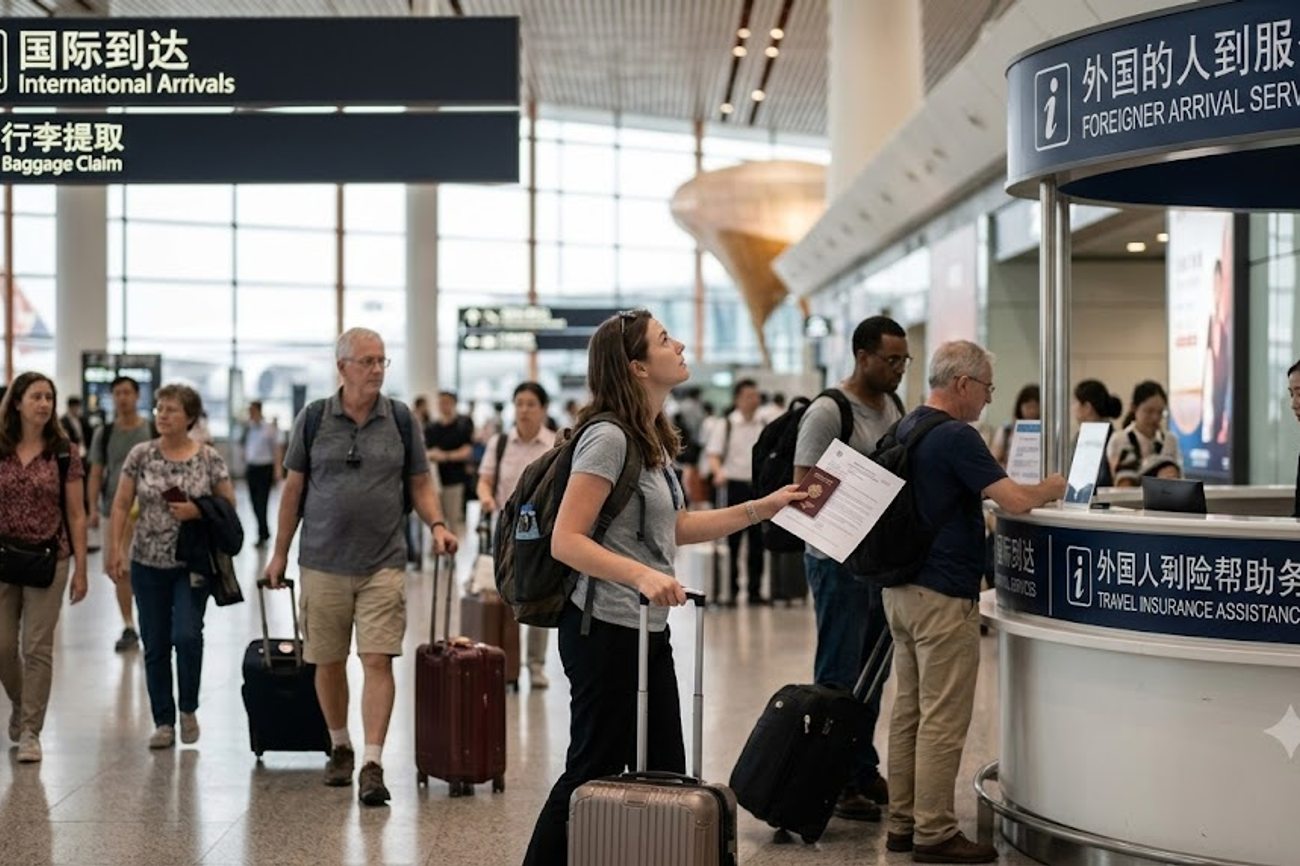
Image generated by AI
[Beijing, August 2026] — China has launched its first comprehensive travel insurance product specifically engineered for international visitors, integrating medical and accident coverage with 24-hour bilingual emergency support.
The initiative, overseen by the National Financial Regulatory Administration (NFRA), arrives as mainland China sees a surge in inbound arrivals. The policy targets the logistical and linguistic hurdles foreign nationals encounter when accessing healthcare and emergency services within the country.
The Regulatory Driver
The launch is a direct response to a sharp increase in foreign arrivals. Data indicates that 61.28 million international visitors entered mainland China during the first eight months of 2026, marking a year-on-year increase of nearly 20%. A significant portion of this growth is attributed to expanded accessibility, with more than 23 million of these visitors entering the country under visa-free arrangements.
As the volume of tourists and business travelers grows, the Chinese government is prioritizing the "visitor infrastructure" to ensure that the healthcare system can accommodate non-native speakers and those without local insurance. By providing a standardized insurance product, the state aims to reduce the friction associated with medical emergencies and hospital admissions for overseas guests.
Affected Travelers, Airlines and Logistics
The product is designed for short-term visitors and has specific eligibility criteria regarding age and duration of stay.
| Category | Detail |
|---|---|
| Eligible Ages | 28 days to 80 years |
| Maximum Duration | Up to 30 days per policy |
| Premium Range | CNY 50 to CNY 490 (Approx. US$7 to US$69) |
| Primary Coverage | Accidents, medical expenses, and medical transfer |
| Support Services | 24-hour emergency assistance in English and Chinese |
The pricing structure is tiered, with the final cost determined by the specific level of coverage selected by the traveler. Because the policy caps coverage at 30 days, it is specifically tailored for tourists and short-term business delegates rather than long-term expats or digital nomads.
Practical Traveler Advisory and Strategic Insights
For the average traveler, this product removes the "language anxiety" associated with medical emergencies in China. The inclusion of a bilingual emergency line means policyholders do not have to rely solely on translation apps or hotel staff to communicate urgent medical needs to providers.
The most critical addition is the "medical transfer" provision. In a country as geographically vast as China, accessing specialized care often requires transport from remote provinces to major hubs like Beijing or Shanghai. This policy provides a financial and logistical mechanism for such transfers, which are typically prohibitively expensive for uninsured travelers.
However, this is a supplementary product. Travelers should not assume this replaces comprehensive global health insurance. It is a targeted tool for the duration of a trip, designed to bridge the gap between foreign insurance providers and the mainland Chinese medical system.
Global Trends in Visitor Protection
China is not alone in leveraging insurance to attract international tourism. In a contrasting strategy, Panama has implemented complimentary travel insurance for qualifying international visitors to boost traveler confidence and stimulate inbound growth.
While Panama is using a free-incentive model, China is opting for a regulated, paid product model. Both strategies indicate a global shift where destinations are no longer just providing visas, but are actively managing the "risk profile" of the tourist to ensure a seamless visitor experience. This trend is likely to expand as more nations compete for the high-spending international travel market.
Implementation and Next Steps
The policy is now available for purchase, coinciding with the peak of the 2026 travel season. Travelers entering via visa-free channels are encouraged to secure coverage prior to arrival to ensure immediate activation of the bilingual assistance services.
The Ministry of Culture and Tourism of the People's Republic of China is expected to further integrate these insurance options into the broader digital ecosystem of tourism, potentially linking them to visa application portals or official travel apps to streamline the acquisition process.
Strategic Logistics Analysis and 2026 Traveler Insights
The introduction of China's comprehensive travel insurance for international visitors marks a significant step in enhancing the country's appeal to foreign travelers. As the number of inbound arrivals continues to surge, understanding the strategic logistics and traveler insights for 2026 is crucial for navigating the complexities of traveling in China.
China's new travel insurance policy for foreign visitors is aimed at enhancing the travel experience and providing financial protection in case of unexpected events, as the country witnesses a surge in international arrivals. For more information on the policy and its coverage, visitors can refer to the official website of the China National Tourism Administration. This move is expected to further boost tourism in China, with popular destinations like Beijing and Shanghai already attracting millions of visitors each year.
For travelers planning to visit China, it is essential to consider the peak travel seasons, which typically coincide with national holidays such as the Chinese New Year and the Golden Week. During these periods, popular tourist destinations and transportation hubs tend to be overcrowded, and prices for accommodations and flights tend to skyrocket. To avoid the chaos, travelers may want to consider visiting during the shoulder season, which falls in the spring and autumn months. Not only are the weather conditions more favorable, but the crowds are also significantly smaller, making for a more enjoyable and relaxed travel experience.
When it comes to booking considerations, travelers should be aware of the eligibility criteria for the new travel insurance product. The policy is designed for short-term visitors, with a maximum duration of 30 days per policy. This means that travelers planning to stay in China for an extended period should explore alternative insurance options. Additionally, the pricing structure is tiered, with the final cost determined by the specific level of coverage selected by the traveler. As such, travelers should carefully assess their needs and budget accordingly.
In terms of transit alternatives, China has made significant investments in its transportation infrastructure, with high-speed rail networks and modern airports connecting major cities. For travelers, this means that there are multiple options for getting around the country, ranging from budget-friendly buses to luxurious high-speed trains. When traveling to or from China, travelers should also consider the transit options available at major airports, such as Beijing Capital International Airport and Shanghai Pudong International Airport. These airports offer a range of facilities and services, including lounges, restaurants, and currency exchange offices.
From a regional context, the new travel insurance product is likely to have a significant impact on the tourism industry in China. The country's rich cultural heritage, stunning natural landscapes, and vibrant cities make it an attractive destination for travelers from around the world. With the introduction of this product, China is poised to become an even more popular destination, particularly among travelers who may have been deterred by concerns about accessing healthcare and emergency services. As such, travelers can expect to see an increase in tourism infrastructure, including new hotels, restaurants, and attractions.
For travelers looking to explore China's diverse regions, the new travel insurance product provides an added layer of security and peace of mind. From the scenic landscapes of Guilin to the vibrant streets of Shanghai, China has a wealth of exciting destinations to discover. When traveling to these regions, travelers should be aware of the local customs and regulations, as well as any specific health or safety concerns. By doing so, travelers can ensure a safe and enjoyable journey, and make the most of their time in this incredible country.
In conclusion, the launch of China's comprehensive travel insurance for international visitors is a significant development that is likely to have a major impact on the country's tourism industry. By understanding the strategic logistics and traveler insights for 2026, travelers can navigate the complexities of traveling in China with confidence, and make the most of their time in this incredible country. Whether you are a seasoned traveler or just starting to plan your trip, China has something to offer everyone, from its rich cultural heritage to its stunning natural landscapes and vibrant cities. With the right planning and preparation, travelers can ensure a safe and enjoyable journey, and create unforgettable memories in this incredible country.
FAQ: China Travel Insurance 2026
How much does the new China travel insurance cost? Premiums range from CNY 50 to CNY 490, which is approximately US$7 to US$69. The exact price depends on the level of coverage the traveler selects.
Who is eligible to buy this insurance? The policy is available to international visitors between the ages of 28 days and 80 years.
Does the policy cover long-term stays? No. The insurance is designed for short-term visits, with a maximum coverage period of 30 days.
Is English support available for medical emergencies? Yes. The product includes a dedicated 24-hour emergency assistance service available in both English and Chinese to help travelers navigate the healthcare system.
A strategic move to safeguard the surge of visa-free arrivals.
Related Travel Guides
This article is for informational purposes. Flight routes, passenger regulations, visa rules, and transit advisories are subject to change by airlines and aviation authorities. Readers are advised to verify schedules and travel documentation with relevant carriers and border agencies before departure.
Related Stories

China Retail Tourism Surge 2026: Foreign Shoppers Flock to Shenzhen Smart Tech Hubs and Bespoke Fashion

Delta's Austin–Arkansas Flights Reshape Regional Tourism Economics: Day Trips, Late Arrivals, and Visitor Spending 2027