
Morocco Tourism Expands as Nigeria Overtakes Key African Markets
Morocco welcomes 4.3 million visitors in Q1 2026, with Nigeria emerging as a primary tourism partner. Analysis of the 2030 World Cup impact and African connecti

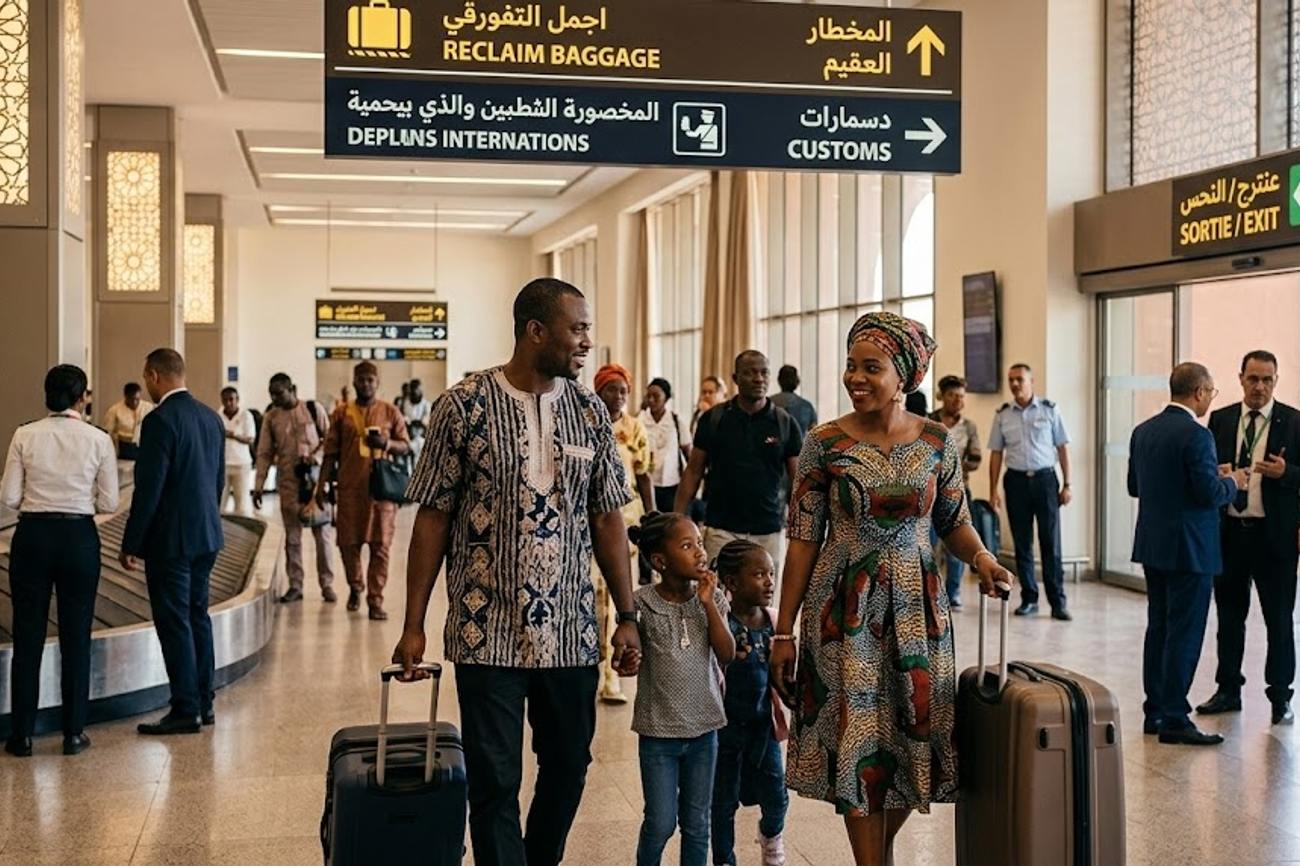
Image generated by AI
Morocco has solidified its position as Africa's premier tourist destination in 2026, driven by a 7% increase in international arrivals and a strategic pivot toward high-growth African markets.
The Core Development
Morocco is aggressively diversifying its visitor base, moving beyond traditional European markets to forge deeper investment and cultural ties across the continent. Data from the first quarter of 2026 reveals a significant surge in arrivals, supported by a national roadmap focused on air connectivity and infrastructure.
A pivotal shift is occurring in the intra-African travel corridor. Nigeria has emerged as a dominant partner, surpassing other regional players in its contribution to luxury, business, and investment tourism. This growth is mirrored by strengthening ties with South Africa, Senegal, Côte d’Ivoire, Ghana, and Kenya.
Key Facts Breakdown
- Q1 2026 Arrivals: 4.3 million international visitors.
- Growth Rate: 7% increase compared to Q1 2025.
- Global Standing: Highest-ranked African and Arab nation in the 2026 RepCore Nations ranking.
- Primary Growth Drivers: 2030 FIFA World Cup preparations (co-hosted with Spain and Portugal).
- Diversification Focus: Shift from Marrakech, Agadir, and Casablanca toward desert, mountain, coastal, and sustainable tourism.
- Key African Source Markets: Nigeria (Luxury/Business), South Africa (Heritage/Adventure), Senegal (Cultural/Religious), Côte d’Ivoire (Corporate), Ghana (Economic), and Kenya (Multi-destination).
Regional Market Impact
| Market | Primary Tourism Driver | Key Connection Points |
|---|---|---|
| Nigeria | Luxury, Business, Shopping | Casablanca, Rabat, Lagos, Abuja |
| South Africa | Architecture, Culinary, Adventure | Long-haul continental corridors |
| Senegal | Religious, Education, Shopping | Casablanca Aviation Gateway |
| Côte d’Ivoire | Corporate, Conferences, Luxury | Abidjan Economic Hub |
| Ghana | Islamic Architecture, Trade | Trade and Investment networks |
| Kenya | Heritage, Desert experiences | Safari-Heritage combinations |
Why This Matters
From a logistical perspective, Morocco is repositioning itself as the "Gateway to Africa." By leveraging Casablanca as a primary aviation hub, Morocco is not just attracting tourists but is integrating itself into the business fabric of West and East Africa.
For the travel industry, the rise of the Nigerian market is the most critical data point. The expanding Nigerian middle class is shifting demand toward luxury and "investment tourism," where travel is a precursor to capital injection.
Furthermore, the synergy between Morocco’s cultural heritage and Kenya’s safari profile suggests a shift toward "Multi-Destination African" packages. This reduces reliance on Western tourists and creates a self-sustaining intra-continental tourism economy.
Industry Outlook
The trajectory for Morocco is tied directly to the 2030 FIFA World Cup. Expect an aggressive acceleration in hotel capacity and airport infrastructure over the next four years.
Market trends suggest that the "corporate-leisure" (bleisure) segment will dominate the Nigeria-Morocco route, as business executives increasingly blend investment trips with luxury stays. We anticipate a rise in direct flight frequencies between Casablanca and major African economic hubs like Abidjan and Lagos to support this demand.
Internal Link Suggestions:
- Analysis of 2030 FIFA World Cup Infrastructure Projects
- Growth Trends in Intra-African Aviation Connectivity
- The Rise of Luxury Tourism in North Africa
Related Travel Guides
Disclaimer
This article is for informational and educational purposes only. It does not constitute legal, financial, or professional advice. While we strive to provide accurate and up-to-date information, travel policies, regulations, and conditions change rapidly. Always verify information with official sources before making travel decisions. Nomad Lawyer makes no representations about the accuracy, reliability, completeness, or suitability of the information provided. Readers should consult qualified professionals for advice specific to their circumstances. The views expressed in this article are those of the author and do not necessarily reflect the views of Nomad Lawyer.
Raushan Kumar
Founder & Lead Developer
Full-stack developer with 11+ years of experience and a passionate traveller. Raushan built Nomad Lawyer from the ground up with a vision to create the best travel and law experience on the web.
Learn more about our team →