
China and Global Powers Launch Smart Tourism Revolution at Macao University Amid $200 Oil Shock and Strait of Hormuz Blockade: How US-Iran Conflict and Gulf Tensions Force Urgent Digital Transformation
At the University of Macau, global powers including China, the US, UK, France, and Japan unite for the Smart Tourism Symposium 2026, building tech solutions to counter the $200 oil crisis and maritime blockades.

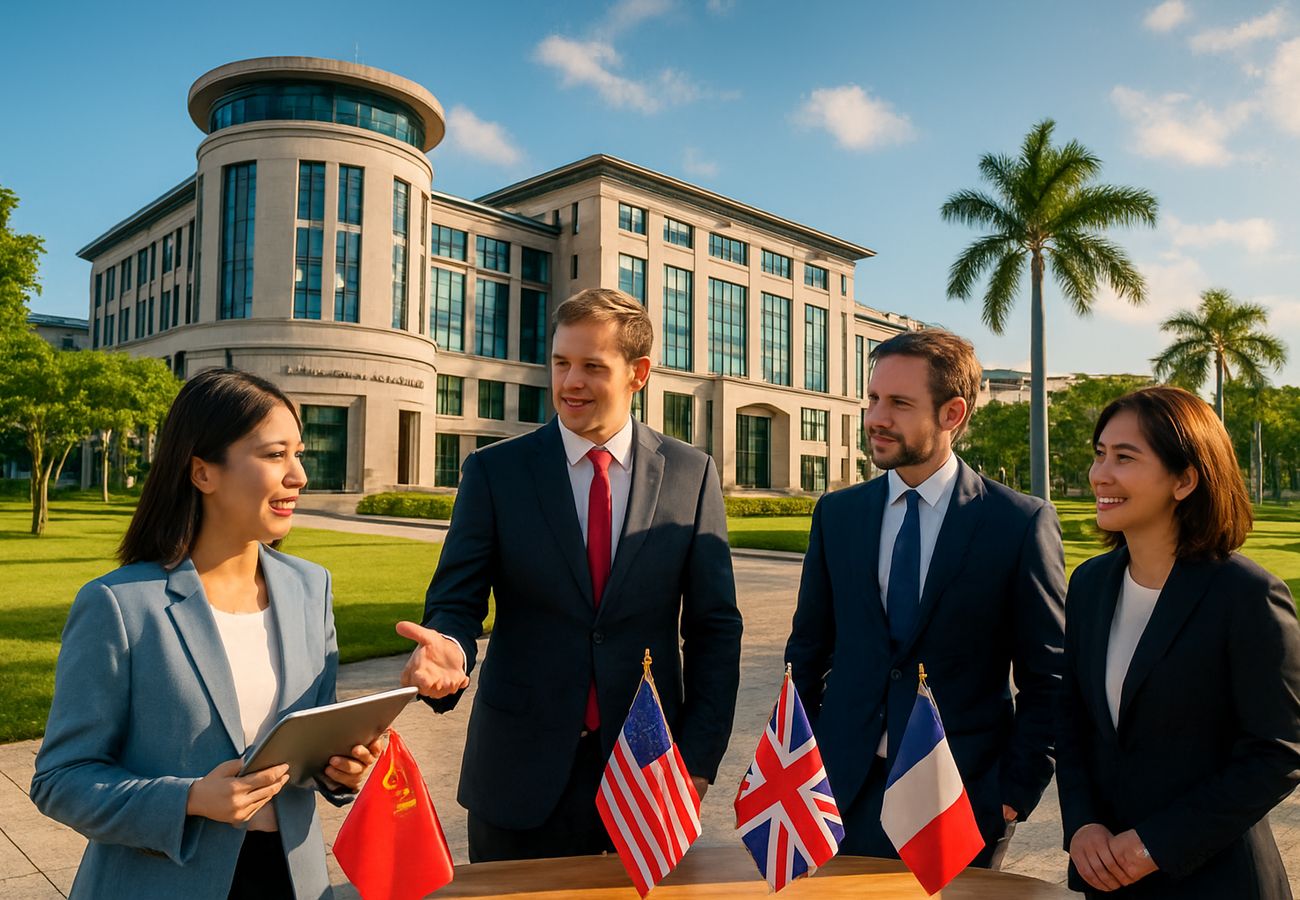
Image generated by AI
Faced with a devastating $200 per barrel oil shock and the military blockade of the Strait of Hormuz, the world's leading economic and technology powers have formed an unprecedented alliance. Gathered at the University of Macau (UM) on Friday, May 8, 2026, for the landmark Smart Tourism Symposium 2026, delegations from China, the United Kingdom, the United States, France, Singapore, Japan, and South Korea joined global tourism visionaries to launch a sweeping, technology-driven "Smart Tourism Revolution."
As the escalating US-Iran conflict threatens to halt global aviation and transport, this high-stakes summit aims to deploy advanced technologies—including 5G, artificial intelligence (AI), robotics, and real-time data analytics—to build a highly resilient, energy-efficient, and low-carbon travel infrastructure capable of surviving the current global energy crisis.
Expanded Overview: Meeting the Existential Threat to Aviation
The Smart Tourism Symposium 2026 at Macao University represents a critical moment for the global travel sector. With fuel costs rising rapidly, traditional travel models are no longer economically viable.
The underlying driver of this crisis is the maritime gridlock in the Persian Gulf. The blockade of the Strait of Hormuz—the world’s most critical oil passage which handles roughly 20% of global crude transit—has taken millions of barrels of oil off the market overnight. The resulting supply shock has caused hyperinflation across transport networks, forcing the world’s leading tech nations to pool resources and fast-track digital transformation. By utilizing smart infrastructure, automated services, and advanced logistics, the global alliance hopes to minimize operational waste and protect international tourism from complete economic collapse.
Geopolitical Context: US-Iran Escalation and Gulf Tensions
The military standoff between the United States and Iran in the Middle East has entered a highly dangerous phase. Commercial vessels are actively avoiding the Persian Gulf, and the resulting instability has had direct consequences for international security.
This escalating conflict has placed major oil-producing countries—including Saudi Arabia, the United Arab Emirates (UAE), Qatar, Kuwait, Oman, and Bahrain—at the center of a complex logistical puzzle. These Gulf nations are working tirelessly to reroute energy shipments and maintain stability, but the naval blockade has restricted their exports. This prolonged geopolitical friction is forcing East Asian and Western nations to shift their focus toward digital efficiency, utilizing the Macao University platform to build travel networks that are highly insulated from fossil fuel volatility.
Global Energy and Shipping Impact on the Travel Industry
With oil prices hovering near $200 per barrel, airlines are facing severe financial distress. To remain operational, carriers have had to significantly increase ticket prices and reduce flight capacities on long-haul routes.
Simultaneously, the shipping disruption has forced cargo fleets to bypass the Persian Gulf and Suez Canal, routing instead around Africa’s Cape of Good Hope. This detour adds weeks to delivery schedules, creating massive supply chain bottlenecks and causing maritime insurance rates to soar. For major tourism destinations, this means the cost of importing luxury items, food, and energy has skyrocketed. In response, travel operators are turning to smart city technologies and data-driven supply networks to manage resources with extreme efficiency.
Regional Impact: The Strategic Concerns of Gulf States
The economic fallout from the Strait of Hormuz blockade has also reached the oil-wealthy nations of the Gulf. While Saudi Arabia and the UAE are generating substantial revenues from high oil prices, the maritime gridlock directly threatens their long-term economic diversification strategies.
These countries have invested billions of dollars in turning cities like Dubai, Riyadh, and Doha into global tourism and leisure hubs. However, with international flights severely constrained by high fuel prices, these ambitious projects are facing major headwinds. Consequently, Gulf nations are closely monitoring the developments in Macao, looking to adopt smart hospitality and automated technologies to keep their own domestic tourism sectors viable during this period of high energy costs.
Country-by-Country Tech Solutions Launched at Macao University
To counter the energy crisis, each of the participating global delegations presented highly specialized digital solutions during the symposium:
China
As the host nation, China is positioning Macao—located within the highly integrated Guangdong-Hong Kong-Macao Greater Bay Area—as a global testbed for next-generation smart tourism. Chinese experts demonstrated how integrating 5G connectivity, artificial intelligence (AI), and the Internet of Things (IoT) into urban transit can optimize energy usage and streamline tourist flows across high-density city centers.
United Kingdom
The British delegation focused heavily on sustainability. UK experts showcased how advanced data analytics can monitor and dramatically reduce carbon emissions, food waste, and energy consumption across commercial hospitality chains, advocating for green transport and smart utility grids to combat high energy prices.
United States
American representatives highlighted innovations in AI, predictive analytics, and virtual reality (VR). By using AI-driven recommendation engines, travel providers can offer highly customized travel options that maximize efficiency. They also demonstrated how immersive VR platforms can provide premium digital alternatives for long-distance travelers who are unable to afford rising flight costs.
France
As a global cultural capital, France shared advanced crowd management systems and digital ticketing platforms currently being deployed in high-traffic hubs like Paris and the French Riviera. These systems utilize real-time tracking to distribute tourist crowds evenly, reducing fuel-intensive traffic congestion in historic cities.
Singapore
Singapore showcased its highly successful data-driven urban planning models. Singaporean experts explained how real-time data collection and Internet of Things (IoT) technologies are used to optimize public transportation and personalize visitor itineraries, creating a highly efficient urban travel ecosystem.
Japan
Addressing labor shortages and rising operational costs, the Japanese delegation demonstrated the integration of automation and robotics. From robot concierges in major hotels to autonomous transit vehicles at airports, Japan showed how automated systems can maintain high-quality service while reducing energy waste.
South Korea
South Korean experts focused on high-speed connectivity and mobile integration. Utilizing South Korea's advanced 5G networks, the delegation demonstrated real-time mobility monitoring systems that help municipal governments manage congestion and optimize public transit schedules to reduce fuel use.
Industry Analysis: The Shift to Resilient, High-Tech Travel
Travel analysts at the World Travel & Tourism Council (WTTC) believe the outcomes of the Macao symposium will shape the industry for the next decade.
With fuel costs remaining highly volatile, the era of low-cost, mass-market travel is giving way to a more intentional, high-tech travel model. Destinations that successfully deploy smart technologies—like automated check-ins, real-time crowd management, and data-driven resource allocation—will be much better equipped to handle the high-cost environment created by the current energy crisis.
What Happens Next: Scenarios and Strategic Outlook
- Short-Term Implementation (Late 2026): Participating nations are moving quickly to establish shared standards for travel data integration, allowing for smoother international transfers and fewer delays at major global airports.
- Prolonged Energy Conflict: If Gulf tensions continue to block the Strait of Hormuz, the smart city and automated systems presented at Macao University will become essential operational requirements for any tourism destination looking to remain profitable.
Conclusion
The Smart Tourism Symposium 2026 at the University of Macau has shown that the travel industry is ready to innovate in the face of major challenges. As the US-Iran conflict and the Strait of Hormuz blockade disrupt traditional energy supplies, the global collaboration between China, the US, the UK, and other tech leaders offers a clear path forward. By embracing digital transformation and sustainable practices, the global tourism sector is building a smarter, more resilient future.
Key Takeaways
- Strategic Collaboration: China, the US, the UK, France, Singapore, Japan, and South Korea have launched a smart tourism revolution at Macao University.
- Energy Pressure: The blockade of the Strait of Hormuz has triggered a massive $200 per barrel oil shock, threatening global travel logistics.
- Tech-Driven Efficiency: Participating nations are deploying 5G, AI, and IoT to optimize transit networks and reduce fuel waste.
- Advanced Automation: Japan and South Korea demonstrated how robotics and high-speed mobile networks can streamline airport and hotel operations.
- Focus on Sustainability: The UK and Singapore presented data-driven models aimed at reducing carbon emissions and managing resources efficiently.
FAQ: Smart Tourism & Energy Crisis 2026
What is smart tourism and how does it help during an energy crisis? Smart tourism involves using advanced technologies like AI, IoT, and 5G to optimize travel logistics, reduce fuel consumption, and manage tourist crowds efficiently, helping the industry operate under high fuel costs.
Why was the symposium held at Macao University? Macao is located in the Guangdong-Hong Kong-Macao Greater Bay Area and serves as a major global leisure hub, making it an ideal testbed for emerging travel and hospitality technologies.
Are these smart technologies being used in airports right now? Yes, several technologies, including AI-driven crowd monitoring and robot airport concierges, are currently being deployed in major international hubs across East Asia and Europe.
Related Travel Guides
Disclaimer
This article is for informational and educational purposes only. It does not constitute legal, financial, or professional advice. While we strive to provide accurate and up-to-date information, travel policies, regulations, and conditions change rapidly. Always verify information with official sources before making travel decisions. Nomad Lawyer makes no representations about the accuracy, reliability, completeness, or suitability of the information provided. Readers should consult qualified professionals for advice specific to their circumstances. The views expressed in this article are those of the author and do not necessarily reflect the views of Nomad Lawyer.
Kunal K Choudhary
Co-Founder & Contributor
A passionate traveller and tech enthusiast. Kunal contributes to the vision and growth of Nomad Lawyer, bringing fresh perspectives and driving the community forward.
Learn more about our team →