
Angola Accelerates Cabinda Airport Expansion with UK, Germany, and Brazil Partners in Defiance of $200 Oil Shock and Strait of Hormuz Blockade: How Saudi Arabia, UAE, and Qatar Anchor Regional Supply Chains Amid US-Iran Maritime Conflict
Angola's Cabinda Airport expansion accelerates with backing from the UK, Germany, Poland, Italy, and Brazil, establishing a vital aviation hub as the $200 oil shock and Strait of Hormuz blockade disrupt global trade.

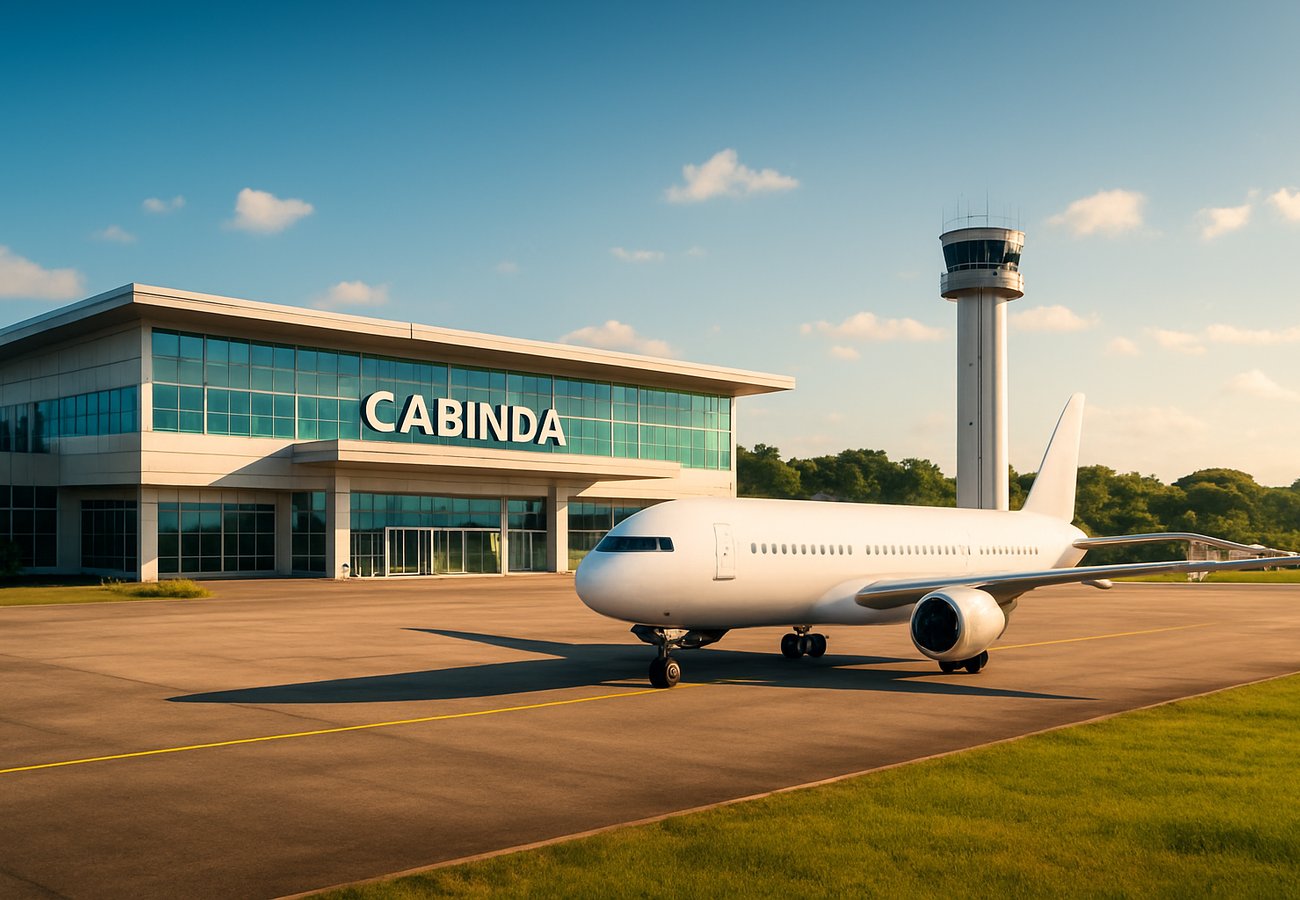
Image generated by AI
As the world economy reels from a catastrophic $200 per barrel oil shock and the militarized blockade of the Strait of Hormuz, a powerful coalition of strategic nations has stepped in to accelerate Angola's groundbreaking Cabinda International Airport expansion. The massive upgrade to this West African aviation gateway comes at a highly critical moment. With the escalating US-Iran conflict paralyzing traditional trade lanes, international partners—including the United Kingdom, Germany, Poland, Italy, Brazil, Zambia, and South Africa—are fast-tracking the construction to establish a resilient, modern cargo and passenger hub capable of bypassing global shipping gridlocks.
While Gulf nations like Saudi Arabia, the United Arab Emirates (UAE), and Qatar work to anchor global energy stability amidst historic maritime disruption, this multi-billion-dollar African infrastructure project is set to redefine global connectivity, commerce, and logistics.
Expanded Overview: Angola's Aviation Leap Amid Global Energy Shock
Located in Angola’s northernmost province, the Cabinda International Airport expansion is a monumental structural project aimed at turning the country into a premier transit and logistical center for the African continent. The project increases the airport's capacity to handle international flights, modernizes passenger services, and introduces advanced, high-volume cargo processing facilities.
This transformation is occurring against the backdrop of a crippling global energy crisis. The closure of the Strait of Hormuz—a vital choke point through which 20% of the world's daily petroleum passes—has thrown global transport networks into absolute chaos. With long-haul flight costs reaching record highs, establishing highly efficient, strategically located regional hubs like Cabinda is essential to keeping cargo and trade flowing between Europe, South America, and Sub-Saharan Africa.
Geopolitical Context: Persian Gulf Standoff and African Sovereignty
The ongoing naval standoffs and military exchanges between the United States and Iran in the Persian Gulf have made safe transit through the Middle East highly volatile. This has created a critical need for alternative routes that do not rely on Persian Gulf supply lines.
For the major powers of the Middle East—including Saudi Arabia, the UAE, Qatar, Kuwait, Oman, and Bahrain—managing this shipping disruption has become a major challenge. These Gulf states are rushing to implement overland transport solutions and Red Sea pipelines to protect their trade relationships. In this tense global climate, Western and emerging economies are actively diversifying their investments, turning to stable African nations like Angola to build secure logistics networks that are insulated from Middle Eastern geopolitical flashpoints.
Global Energy and Shipping Trade Impact
The ongoing shipping blockade has forced hundreds of freight vessels to bypass the Suez Canal entirely, rerouting around Africa’s Cape of Good Hope. This detour adds up to two weeks to global transit times, causing massive logistics delays and driving maritime insurance premiums up by more than 500%.
As a result, international logistics providers are increasingly turning to air-freight networks to transport high-value goods. However, with oil prices hovering around $200 per barrel, airlines require highly optimized airport infrastructure to reduce ground times and maximize fuel efficiency. The Cabinda Airport expansion addresses this exact demand, offering state-of-the-art runways and fast-track cargo hubs that allow global carriers to operate efficiently despite the ongoing fuel crisis.
How International Partners Are Accelerating the Expansion
A coalition of strategic nations is actively contributing funding, advanced technology, and engineering expertise to accelerate Cabinda’s development:
- United Kingdom (UK): Acting as a primary financial anchor, the UK is providing substantial backing through UK Export Finance. This funding brings top-tier British airport management expertise to Angola, ensuring the project meets international operational standards while strengthening bilateral trade.
- Germany: Leveraging its world-renowned engineering capabilities, Germany is supplying cutting-edge airport technology, including advanced terminal infrastructure, state-of-the-art security screening systems, and modern air traffic control equipment.
- Poland: Polish engineering firms are leading terminal expansion efforts and major runway upgrades, utilizing Eastern European construction technologies to build highly sustainable airport infrastructure.
- Italy: Italian design houses and engineering groups are managing the architectural design and construction of the passenger terminals and specialized cargo hangars, ensuring a world-class travel experience.
- Brazil: As Angola’s long-standing South American ally, Brazil is contributing both funding and logistics technology. Experienced Brazilian construction firms are overseeing runway expansions, making the airport capable of handling the world's largest widebody cargo aircraft.
- Zambia: As a neighboring landlocked nation, Zambia is supplying vital raw construction materials and labor, viewing Cabinda as a critical gateway for its own agricultural and copper exports to international markets.
- South Africa: A regional leader in aviation, South Africa is providing critical technical oversight, project management, and regional integration support, ensuring Cabinda aligns with Southern African Development Community (SADC) standards.
- Other Strategic Nations: Major global powers, including the United States, France, China, and Russia, are also providing technical assistance, specialized machinery, and financing, highlighting the immense global interest in Africa's logistics future.
Industry and Expert Analysis: Why Cabinda is Critical for Africa
Aviation analysts at the International Air Transport Association (IATA) emphasize that the current fuel crisis is forcing a major reorganization of global flight routes. As long-distance travel becomes increasingly expensive, regional sorting hubs are becoming highly valuable.
By establishing a modern, multi-directional hub in Cabinda, Angola is positioning itself to capture key trade traffic between South America and Africa, as well as transit routes heading toward Europe. This diversification strategy reduces Angola's reliance on raw oil exports and builds a sustainable, service-driven economy capable of thriving during global market volatility.
What Happens Next: Scenarios and Timeline
- Short-Term Acceleration (Remaining of 2026): With the UK and German elements of the project fully funded, runway extensions are expected to finish ahead of schedule, allowing the first large cargo flights to land by late 2026.
- Middle East Resolution vs. Prolonged Blockade: If the Strait of Hormuz remains closed, Cabinda’s cargo volume is projected to triple as global logistics operators permanently route freight through West African air corridors to avoid the high-risk Middle Eastern shipping lanes.
Conclusion
The expansion of Cabinda International Airport is a highly strategic project that is transforming the aviation landscape of the African continent. Backed by the UK, Germany, Brazil, and a powerful international coalition, Angola is successfully building a world-class gateway in the face of a severe $200 oil shock and historic maritime gridlock. As global energy tensions continue, Cabinda stands as a vital link for international trade, tourism, and economic resilience.
Key Takeaways
- Massive Expansion: Angola is fast-tracking the Cabinda International Airport expansion to build a major trade and transit hub for Africa.
- Global Energy Crisis: The project is accelerating despite a crippling $200/bbl oil shock and the ongoing blockade of the Strait of Hormuz.
- Multi-National Backing: The UK (via UK Export Finance), Germany, Poland, Italy, Brazil, Zambia, and South Africa are providing critical funding and expertise.
- Trade Diversification: The new airport helps reduce Angola’s economic reliance on raw petroleum exports by boosting logistics, trade, and tourism.
- Resilient Cargo Routing: As shipping through the Persian Gulf remains highly volatile, Cabinda offers a secure air-freight alternative for international markets.
FAQ: Cabinda Airport Expansion & Global Trade 2026
Who is funding the Cabinda Airport expansion? The project is funded by a multi-national group, with major financial support and export credit guarantees provided by the United Kingdom's UK Export Finance and strategic partners in Germany, Brazil, and Italy.
How does the Strait of Hormuz blockade affect this project? The blockade has caused global oil prices to hit $200/bbl, increasing shipping times and cargo costs. This has made highly efficient regional airport hubs like Cabinda crucial for alternative air-freight logistics.
Which airlines will use the expanded Cabinda Airport? The airport is designed to accommodate large-scale international cargo carriers and regional passenger airlines, facilitating smoother travel across the Southern African Development Community (SADC) and global destinations.
Related Travel Guides
Disclaimer
This article is for informational and educational purposes only. It does not constitute legal, financial, or professional advice. While we strive to provide accurate and up-to-date information, travel policies, regulations, and conditions change rapidly. Always verify information with official sources before making travel decisions. Nomad Lawyer makes no representations about the accuracy, reliability, completeness, or suitability of the information provided. Readers should consult qualified professionals for advice specific to their circumstances. The views expressed in this article are those of the author and do not necessarily reflect the views of Nomad Lawyer.
Kunal K Choudhary
Co-Founder & Contributor
A passionate traveller and tech enthusiast. Kunal contributes to the vision and growth of Nomad Lawyer, bringing fresh perspectives and driving the community forward.
Learn more about our team →