
China Joins Thailand, Germany, Brazil, UK, Egypt, Italy, Azerbaijan And More Countries As Canada Issues Another High Level Travel Advisory Amid Expanding Border Restrictions, Stricter Visa Entry Requirements, Rising Security Risks And Intensifying Travel Disruption
Canada issues high-level travel advisories for China, Thailand, UK, Brazil, and more in 2026, citing rising terrorism, c

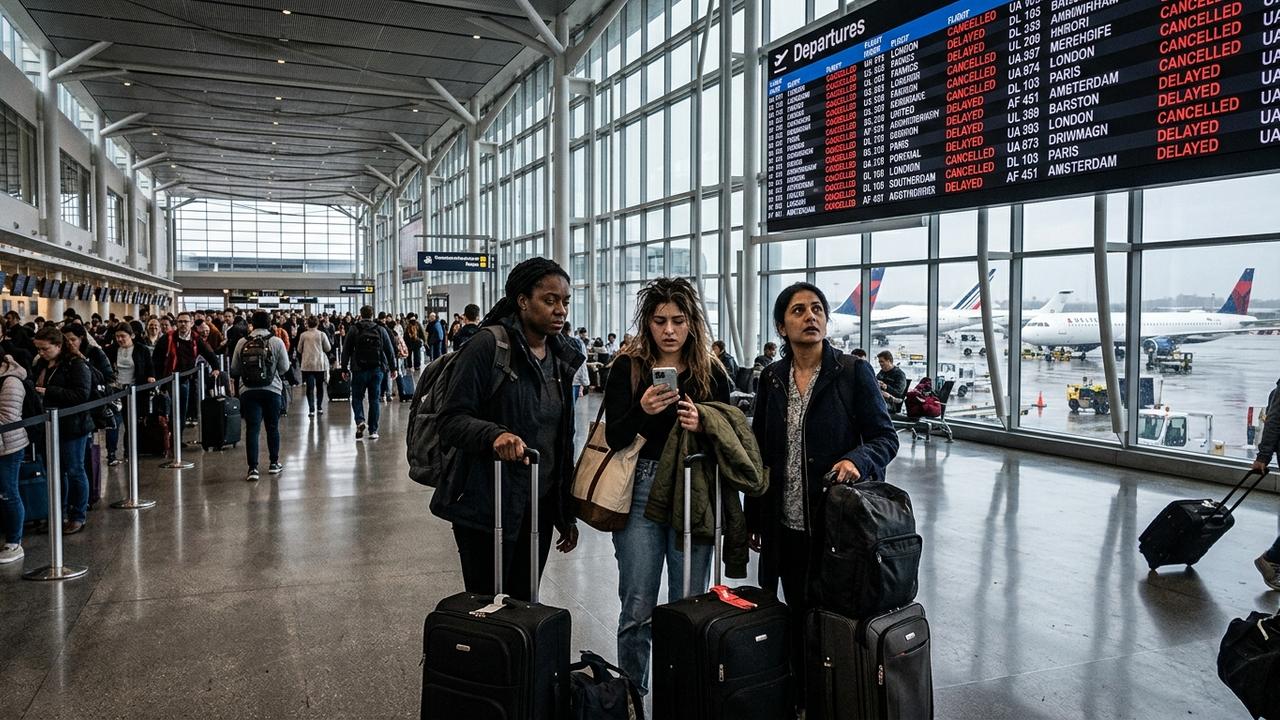
Image generated by AI
[Ottawa, June 25, 2026] — Canadian authorities have issued an expanded high-level travel advisory for 2026, placing China, Thailand, Germany, Brazil, the United Kingdom, Egypt, Italy, and Azerbaijan on high-caution lists. The updated warnings cite a volatile combination of tightening border restrictions, complex visa requirements, escalating cybercrime, and regional political instability affecting multiple continents.
The latest guidance from official sources indicates that the global travel landscape is undergoing a significant shift, with security conditions evolving rapidly due to geopolitical tensions and transnational crime. Rather than a blanket ban on travel, the government is urging citizens to exercise extreme vigilance and strictly adhere to the laws of their host nations.
Heightened Surveillance and Regional Controls in China
China has been designated under a "high degree of caution" status, with officials highlighting the pervasive nature of state surveillance and the risk of arbitrary legal actions. Travelers are warned that electronic communications and personal digital devices are subject to intense monitoring.
Specific regional concerns focus on the Xinjiang Uyghur Autonomous Region, where the risk of detention is noted as significant. Furthermore, travel within Tibet remains strictly controlled, requiring government-issued permits and organized tours; these permits can be revoked or delayed without prior notice. Authorities also warn of sudden curfews and restricted internet access throughout the country.
Border Volatility and Insurgency Risks in Thailand
While Thailand remains a premier global tourist destination, the 2026 advisory flags critical safety concerns in its southern provinces and along certain international borders. The provinces of Narathiwat, Pattani, Yala, and sections of Songkhla are highlighted as high-risk zones due to sporadic insurgent activity, including the use of explosives.
Additionally, military tensions along the Thailand-Cambodia border have led to closed crossings and increased armed patrols. Industry observers suggest that travelers avoid all non-essential movement in these conflict-prone areas and remain mindful of martial law enforcement in specific districts.
Terrorism Threats and Urban Crime in Germany and the UK
European travel safety is currently dominated by concerns over urban crime and extremist threats. In Germany, the advisory focuses on a dual threat: the potential for violent extremist incidents and a surge in petty crime. Pickpocketing is reported to be prevalent in major transport hubs and seasonal tourist attractions, such as Christmas markets.
Similarly, the United Kingdom is facing a "severe" terrorism threat level. Major urban centers, particularly London, are seeing a rise in knife-related and vehicle-borne attacks. Beyond security threats, there is a noted increase in mobile phone thefts in high-traffic tourist zones. Travelers are advised to avoid displaying luxury items and to remain alert during large public gatherings or political demonstrations.
Restricted Zones and Security Corridors in Egypt
Travelers heading to Egypt are warned about severe restrictions in the Northern Sinai and Western Desert regions. These areas are currently subject to travel bans due to active terrorist operations and military activity.
While the primary tourism corridors—including Cairo, Luxor, and the Red Sea resorts—remain open and accessible, the advisory stresses the importance of staying within these secure zones. Movement into remote desert regions now requires specific permits, and travelers are cautioned against unauthorized excursions near border territories.
Cyber Fraud and Urban Vigilance in Italy
Italy continues to see high visitor volumes, but official reports highlight a rise in digital and physical theft. Major cities such as Rome, Milan, and Venice are identified as hotspots for pickpocketing and credit card skimming.
The advisory specifically warns against the use of unsecured public Wi-Fi networks to access financial accounts, citing a rise in cyber fraud. Furthermore, terrorism threats targeting public landmarks and transport hubs remain a point of concern for security services.
Border Sensitivities and Ordnance Risks in Azerbaijan
The advisory for Azerbaijan focuses heavily on territorial security and the remnants of past conflicts. Western districts are flagged for the presence of unexploded ordnance, posing a lethal risk to those straying from paved roads.
Security concerns are also heightened near the border with Armenia, where travel is restricted. Additionally, the advisory notes that consular access may be limited in certain remote regions, and travelers should be aware of the potential for civil unrest and road safety hazards in rural areas.
Organized Crime and Urban Violence in Brazil
Brazil is listed under high caution primarily due to the prevalence of organized criminal activity and violent urban crime. In major hubs like São Paulo and Rio de Janeiro, "arrastões"—mass robbery incidents where groups target crowds—are a significant concern.
Authorities strongly discourage visitors from entering favelas or vulnerable neighborhoods. The risk of armed robberies and carjackings remains high, and there is an increasing trend of cyber-scams targeting international tourists. Border regions are also flagged for their association with trafficking networks.
Summary of Regional Risk Factors
| Destination | Primary Risk Category | Specific High-Risk Areas | Key Warning |
|---|---|---|---|
| China | Surveillance & Political | Tibet, Xinjiang | Arbitrary detention & digital monitoring |
| Thailand | Insurgency & Border | Southern Provinces, Cambodia Border | Explosive devices & martial law |
| Germany | Terrorism & Petty Crime | Transport Hubs, Urban Centers | Public Wi-Fi theft & pickpocketing |
| UK | Terrorism & Urban Crime | Central London, Major Cities | Severe terror threat & mobile theft |
| Egypt | Terrorism & Military | Northern Sinai, Western Desert | Restricted zones & border bans |
| Italy | Cyber Fraud & Petty Crime | Rome, Milan, Venice | ATM skimming & landmark threats |
| Azerbaijan | Landmines & Border | Western Districts, Armenia Border | Unexploded ordnance & limited consular aid |
| Brazil | Organized Crime | Rio de Janeiro, São Paulo | Armed robbery & mass theft (arrastões) |
Strategic Guidance for Global Travelers
Given the complexity of the 2026 travel environment, officials recommend a proactive approach to safety. Travelers are urged to monitor official advisories in real-time and register their itineraries with embassy services.
Key safety protocols include:
- Avoiding all regions marked as conflict zones or restricted territories.
- Utilizing secure, encrypted payment methods and avoiding suspicious ATMs.
- Maintaining a low profile by avoiding large political demonstrations and protests.
- Securing all travel documents and passports in tamper-proof containers.
- Investing in comprehensive travel insurance that specifically covers emergency security evacuations and medical crises in high-risk zones.
The current landscape reflects a broader global trend where geopolitical instability and digital threats are fundamentally altering international mobility. As border enforcement becomes stricter and visa processes more complex, the necessity for meticulous pre-travel planning and situational awareness has become paramount for all international travelers.
Related Travel Guides
Disclaimer
This article is for informational and educational purposes only. It does not constitute legal, financial, or professional advice. While we strive to provide accurate and up-to-date information, travel policies, regulations, and conditions change rapidly. Always verify information with official sources before making travel decisions. Nomad Lawyer makes no representations about the accuracy, reliability, completeness, or suitability of the information provided. Readers should consult qualified professionals for advice specific to their circumstances. The views expressed in this article are those of the author and do not necessarily reflect the views of Nomad Lawyer.
Raushan Kumar
Founder & Lead Developer
Full-stack developer with 11+ years of experience and a passionate traveller. Raushan built Nomad Lawyer from the ground up with a vision to create the best travel and law experience on the web.
Learn more about our team →