
Chile Establishes Cape Froward National Park on Brunswick Peninsula for Wilderness Tourism 2026
Chile is developing Cape Froward National Park on the Brunswick Peninsula, creating a conservation-led wilderness frontier focused on protecting endangered huemul deer and carbon-rich peatlands.

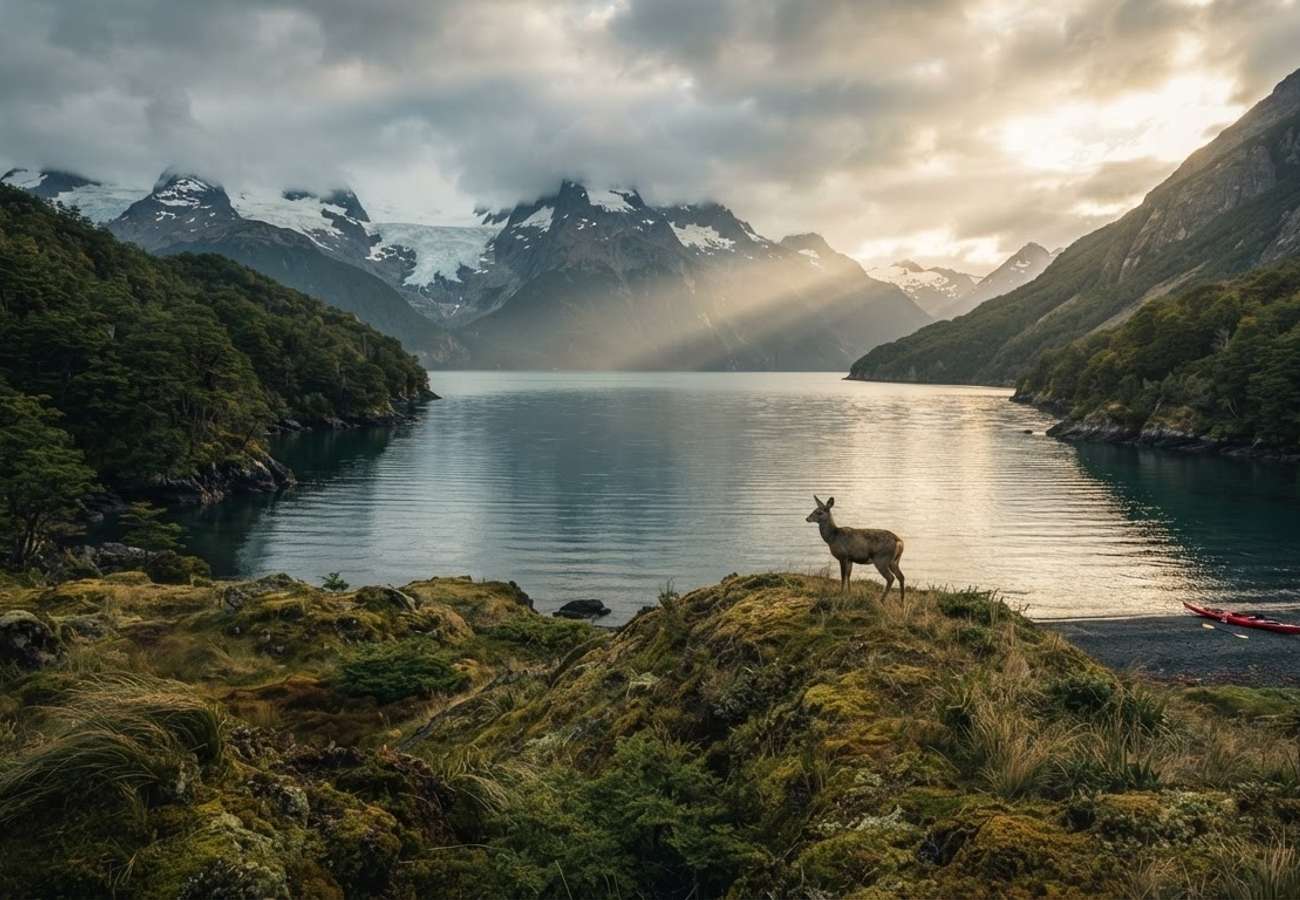
Image generated by AI
Chile is designating Cape Froward on the Brunswick Peninsula as a new National Park, establishing a protected wilderness frontier at the southernmost point of the Americas. This initiative prioritizes the conservation of endangered huemul deer and carbon-dense peatlands over high-volume tourism.
The proposed Cape Froward National Park, situated near the Strait of Magellan south of Punta Arenas, represents a strategic shift toward regenerative tourism. Initiated by Rewilding Chile and regional agencies, the project aims to protect a complex mosaic of subantarctic forests, fjords, and ancient peat bogs. Unlike traditional national park models that rely on heavy infrastructure, Cape Froward is being developed as a "Gateway" for expedition-style travel, emphasizing low-impact access and high-value conservation.
The Brunswick Peninsula serves as a critical ecological corridor. Its subantarctic forests are adapted to extreme southern climates, while its extensive peatlands function as massive carbon sinks, storing significantly more carbon than the surrounding forests. This makes the park a key asset for regional climate resilience and biodiversity.
Conservation-Led Tourism Framework
The primary driver for the park's operational design is the protection of the southernmost continental population of the endangered huemul deer. To prevent habitat fragmentation and human disturbance, the park is implementing a strictly managed visitor model.
Rather than building resorts, the authority is focusing on:
- Designated Trekking Routes: Controlled hiking trails to minimize soil erosion and wildlife stress.
- Sea-Kayaking Corridors: Water-based access to fjords and coastal landscapes to reduce terrestrial footprints.
- Small-Group Expeditions: A preference for specialist guides and limited group sizes to maintain the area's pristine state.
Beyond the huemul, the region is a vital habitat for marine wildlife, including Sei whales and Magellanic penguins, offering a multi-environment experience for researchers and specialist travelers.
Regional Transit and Route Specifications
Punta Arenas will serve as the primary logistics hub for all expeditions entering the Brunswick Peninsula. The transition from urban center to wilderness frontier requires specific transit modes.
| Transit Segment | Mode of Transport | Primary Purpose | Access Level |
|---|---|---|---|
| Punta Arenas $\rightarrow$ Peninsula Base | 4x4 Vehicle / Regional Shuttle | Ground Transit | Managed |
| Base $\rightarrow$ Cape Froward Interior | Guided Trekking | Wilderness Exploration | Restricted/Permit |
| Coastal Fjord Access | Sea Kayak / Expedition Boat | Marine Observation | Controlled Corridor |
| Habitat Zones | Footpaths Only | Huemul Observation | Highly Restricted |
Traveler Logistics Guide
From a ground-level perspective, navigating the Cape Froward frontier requires a departure from standard Patagonia tourism. This is not a "turn-up-and-go" destination.
Booking and Permits Visitors should expect a permit-based system. Because the park focuses on the endangered huemul deer, access will likely be capped daily. It is advisable to book through certified local expedition operators who hold the necessary conservation clearances.
Optimal Connection Strategy The most efficient route is flying into Punta Arenas. From there, travelers should arrange specialized 4x4 transfers to the peninsula's edge. Given the volatile weather of the Strait of Magellan, always build a 48-hour "weather buffer" into your itinerary before any scheduled international departures.
Equipment and Safety Standard hiking gear is insufficient for the Brunswick Peninsula. The combination of peat bogs and subantarctic forests requires high-grade waterproof footwear and multi-layer thermal clothing. Due to the remoteness, satellite communication (such as Garmin inReach) is essential for any party venturing outside the primary guided corridors.
Digital Transit Policies While Chile has streamlined many entry processes, ensure all PDI (Policía de Investigaciones) entry slips are digitized. For those connecting from other South American hubs, verify the latest reciprocity fees or visa requirements for the Magallanes region.
Infrastructure and Economic Impact
The establishment of the park transforms Punta Arenas from a transit stop into a specialized adventure corridor. By avoiding high-volume resort development, the project pushes economic benefits toward local experts.
The "Conservation Economy" model ensures that spending flows directly to:
- Local Expedition Guides: Who provide the mandatory expertise for navigating remote terrain.
- Maritime Operators: Who manage the kayaking and boat corridors.
- Community-Based Logistics: Shifting the economic weight away from large hotel chains and toward regional providers.
This approach ensures that the preservation of the landscape is directly tied to the livelihood of the local population, creating a sustainable cycle of protection and exploration.
The end of the world just became a sanctuary for the few who seek the truly untouched.
Related Travel Guides
Disclaimer
This article is for informational and educational purposes only. It does not constitute legal, financial, or professional advice. While we strive to provide accurate and up-to-date information, travel policies, regulations, and conditions change rapidly. Always verify information with official sources before making travel decisions. Nomad Lawyer makes no representations about the accuracy, reliability, completeness, or suitability of the information provided. Readers should consult qualified professionals for advice specific to their circumstances. The views expressed in this article are those of the author and do not necessarily reflect the views of Nomad Lawyer.
Kunal K Choudhary
Co-Founder & Contributor
A passionate traveller and tech enthusiast. Kunal contributes to the vision and growth of Nomad Lawyer, bringing fresh perspectives and driving the community forward.
Learn more about our team →