
Chianti Classico Wine Travel: Fontanelle Estate Redefines Tuscan Luxury
Discover how Fontanelle Estate in Chianti Classico is leading Tuscany's transition to experience-led travel with the Michelin-starred Il Visibilio and Vallepicciola.

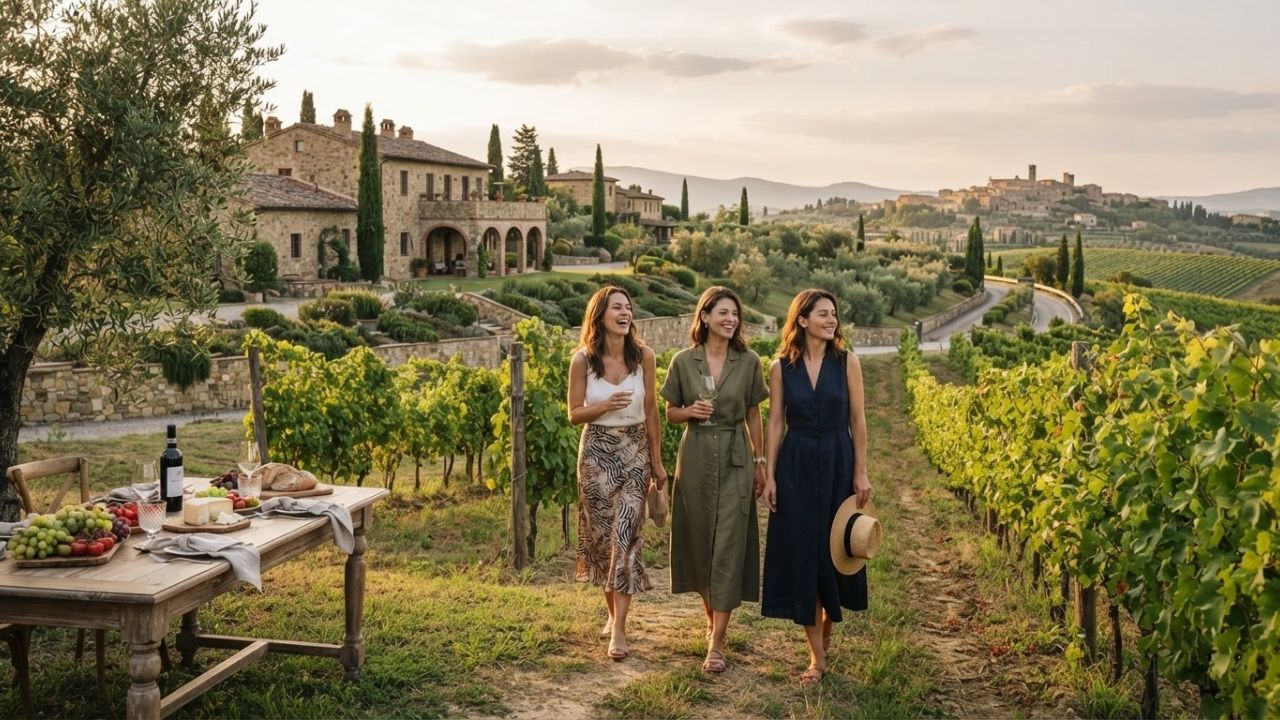
Image generated by AI
Tuscany's celebrated Chianti Classico region is witnessing a major shift in luxury travel, as international visitors prioritize deep regional immersion over standardized five-star lodging. By integrating the historic Hotel Le Fontanelle, the adults-focused Club House, the Vallepicciola winery, and the Michelin-starred Il Visibilio, Fontanelle Estate is leading the transition toward experience-driven countryside tourism.
The Shift Toward Experience-Led Travel in Tuscany
The international hospitality sector is experiencing a transition as travelers seek out deeper connections with their destinations. In the rolling hills of Tuscany, tourism boards are promoting food-and-wine tours, historic trail exploration, and rural heritage experiences. Rather than choosing standardized luxury hotels, visitors are seeking destinations that integrate local culture, gastronomy, and outdoor activities into a single travel experience.
This shift in visitor demand has also led to the growth of rural farm stays and eco-tourism projects across the Siena province. International travelers are moving away from traditional, crowded cities like Rome and Venice during the hot summer months, seeking the cooler, quieter valleys of the countryside. This geographical dispersion of tourists is a major goal for regional planners who want to protect historic centers from overcrowding while supporting local business owners in rural areas.
In the heart of the Chianti Classico wine region, Fontanelle Estate has developed an integrated tourism model that meets this demand. Located in Castelnuovo Berardenga near Siena, the estate combines high-end accommodations with a modern operating winery and Michelin-starred dining. This approach allows travelers to live according to the agricultural rhythms of the Tuscan countryside, transforming a simple vacation into an active engagement with the region's heritage.
The Architecture of the Fontanelle Estate Ecosystem
The estate consists of three main components that function as an interconnected ecosystem, providing visitors with diverse experiences under a single brand:
- Hotel Le Fontanelle: A five-star countryside retreat designed around traditional Tuscan stone architecture, featuring panoramic views of the surrounding olive groves and vineyards.
- The Club House: A five-star luxury adults-focused boutique property that offers a more exclusive and private environment for travelers seeking quiet relaxation.
- Vallepicciola Winery: The viticultural heart of the estate, producing premium wines under the Chianti Classico DOCG classification.
By coordinating these properties, the estate allows guests to explore the vineyards, dine at fine restaurants, and access wellness amenities without leaving the property, creating a self-contained holiday destination.
The integration of these properties allows the estate to manage guest services with a high degree of personalization. Travelers can schedule wine tastings at Vallepicciola, book dining reservations at Il Visibilio, and coordinate spa appointments through a single digital concierge system. This seamless guest experience reduces travel friction, allowing visitors to focus on exploring the surrounding valleys and historic towns rather than coordinating logistics.
Wine Tourism and the Vallepicciola Vineyards
Viticulture is central to the Fontanelle Estate experience, with the Vallepicciola winery serving as the primary attraction. The growth of wine tourism globally has led travelers to seek out structured tasting programs and guided vineyard walks that explain local agricultural methods.
At Vallepicciola, visitors can participate in the Grand Cru Experience, which includes a guided walk through the vineyards, a tour of the aging cellars, and tastings of single-vineyard wines. The estate cultivates a variety of grape varieties, including Sangiovese, Cabernet Sauvignon, Merlot, and Pinot Nero, utilizing clay and limestone soils to produce distinctive wines. Travelers can also arrange seasonal vineyard picnics, where local cheeses and cured meats are paired with estate wines in outdoor settings, offering an immersive lifestyle experience.
Gastronomy: Michelin-Starred Artistry at Il Visibilio
Gastronomy is a major motivator for travelers choosing destinations in Italy, and the estate has placed culinary excellence at the center of its operations. The signature dining venue is the Michelin-starred restaurant Il Visibilio, located on the estate.
The restaurant's culinary philosophy centers on seasonal, locally sourced ingredients prepared using contemporary techniques. The menus offer innovative interpretations of traditional Tuscan flavors, using storytelling to connect each dish with the surrounding agricultural land. By sourcing olive oil, vegetables, and herbs directly from the estate's farms, the restaurant supports a sustainable food system while providing a high-quality dining experience.
Wellness and Outdoor Exploration in the Sienese Hills
The natural environment of the Chianti hills provides an ideal setting for wellness tourism and outdoor recreation. The estate offers spa facilities and activities that encourage guests to engage with the surrounding countryside.
Travelers can participate in yoga sessions overlooking the vineyards, book guided horseback riding excursions, or rent bicycles to cycle through the rolling hills. For an elevated view of the region, the estate coordinates hot-air balloon flights above the Chianti valleys, providing panoramic views of medieval towers and stone hamlets. The estate also serves as a base for guided excursions to nearby cultural landmarks. Guided tours connect visitors to historic centers such as Siena, Florence, San Gimignano and other renowned Tuscan destinations, creating opportunities to combine rural relaxation with cultural discovery.
Visitor Guide: Classification Seals, Road Navigation, and Local Dining
Exploring the Chianti Classico region comfortably involves understanding local wine classifications, navigating scenic driving routes, and tasting regional food specialties. By preparing in advance, travelers can enjoy a seamless journey.
Understand local wine labels when shopping or tasting. Chianti Classico wines are identifiable by the Gallo Nero (Black Rooster) seal on the bottle's neck, which guarantees that the wine was produced within the historic boundaries of the Chianti Classico territory according to strict consortium standards. Look for three quality tiers: Annata (the standard release), Riserva (aged for a minimum of 24 months), and Gran Selezione (estate-grown grapes aged for at least 30 months).
Plan your driving route carefully. The estate is accessed via the SR 222 (Chiantigiana), a scenic highway that winds through the vineyards and historic stone towns between Florence and Siena. When driving in Sienese municipalities, be aware of ZTL (Zona a Traffico Limitato) zones, which restrict vehicle entry in historical centers to residents only, and monitor signs closely to avoid fines.
Sample traditional Sienese culinary specialties during your stay. Order pici, a thick, hand-rolled pasta made of flour and water, traditionally served with a slow-cooked wild boar ragout or a garlic-based tomato sauce known as pici all'aglione. Taste Bistecca alla Fiorentina, a thick-cut T-bone steak sourced from local Chianina cattle, grilled over oak embers, and finish your meal with Panforte, a dense medieval Sienese cake rich in almonds, candied fruits, and spices.
Respect local agricultural boundaries during your exploration. Stay on designated walking trails when touring the Vallepicciola vineyards, and avoid touching or picking the grapes, as this can disturb the harvest operations. Purchase local olive oil and honey directly from farm shops to support the regional agricultural economy.
Future Outlook: Rebuilding Sustainable Viticulture in Chianti
The long-term development of tourism in Castelnuovo Berardenga depends on protecting the region's agricultural character and managing traveler numbers sustainably. Local municipal boards and agricultural cooperatives are implementing regulations to prevent overdevelopment.
Sustainable practices on the estate include organic grape cultivation, water-recycling systems in the Vallepicciola cellars, and the preservation of historic stone buildings. By promoting off-peak travel during the spring and autumn months, local boards aim to support hospitality businesses year-round without straining water supplies. This management approach ensures that Chianti Classico remains a preserved agricultural sanctuary, protecting the region's heritage for future generations of travelers.
Related Travel Guides
Disclaimer
This article is for informational and educational purposes only. It does not constitute legal, financial, or professional advice. While we strive to provide accurate and up-to-date information, travel policies, regulations, and conditions change rapidly. Always verify information with official sources before making travel decisions. Nomad Lawyer makes no representations about the accuracy, reliability, completeness, or suitability of the information provided. Readers should consult qualified professionals for advice specific to their circumstances. The views expressed in this article are those of the author and do not necessarily reflect the views of Nomad Lawyer.
Raushan Kumar
Founder & Lead Developer
Full-stack developer with 11+ years of experience and a passionate traveller. Raushan built Nomad Lawyer from the ground up with a vision to create the best travel and law experience on the web.
Learn more about our team →