
The Golden State Palate: An Insider Guide to California’s Multicultural Food Cities

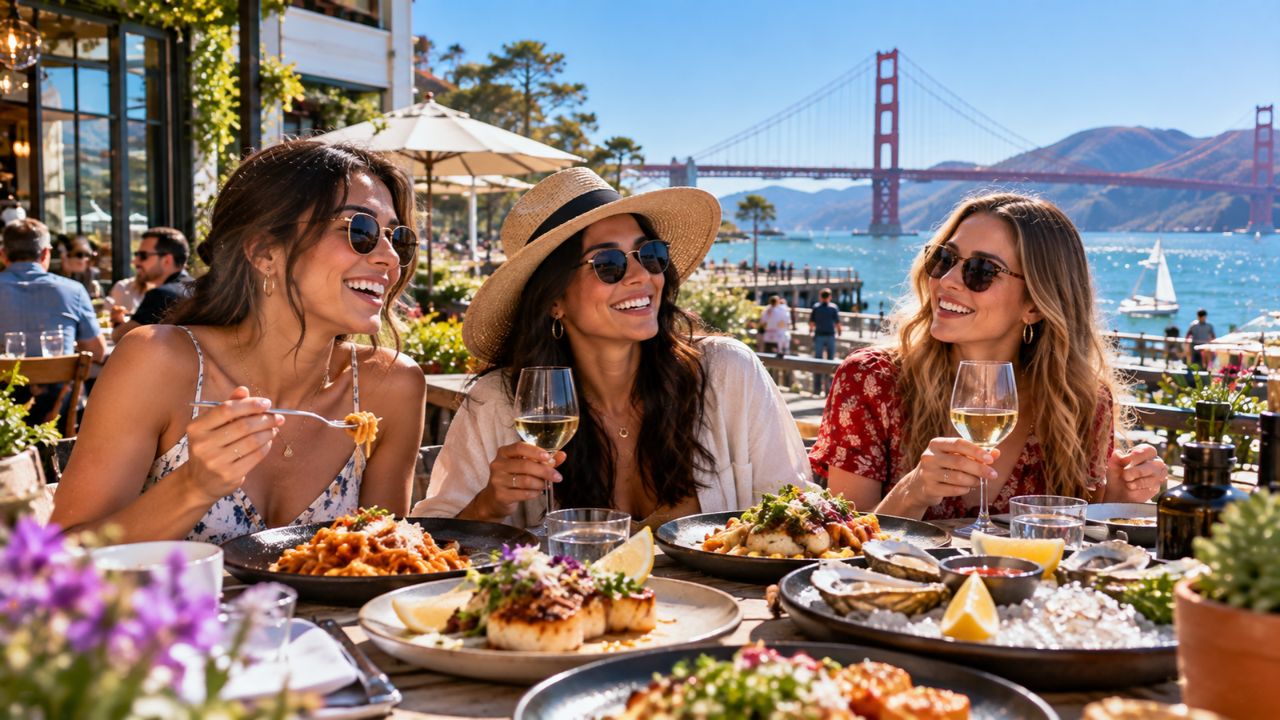
Producing over a third of America's vegetables and three-quarters of its fruits and nuts, California feeds the nation—yet its truest culinary magic happens in the hyper-specific immigrant neighborhoods and farm-adjacent dining rooms of its major cities. Rather than chasing generic celebrity chef outposts, modern culinary travelers are mapping trips around neighborhood taco stands in Boyle Heights, 24-hour tofu houses in Koreatown, historic sourdough bakeries along the San Francisco Bay, and cross-border Cali-Baja seafood counters in San Diego.
Regional Flavors: Mapping California’s Five Food Capitals
Each California metropolitan region draws on distinct microclimates, agricultural belts, and immigrant heritages:
1. Los Angeles: The World’s Greatest Micro-Enclave Dining
Los Angeles offers unparalleled regional depth. In Koreatown, late-night barbecue spots and bubbling soondubu-jjigae cauldrons sit blocks from Central American pupuserias in Westlake. Little Tokyo delivers historic ramen houses and centuries-old mochi confectioners, while the San Gabriel Valley to the east forms the continent's densest concentration of regional Cantonese, Sichuan, and Taiwanese noodle shops.
2. San Francisco & the Bay Area: Innovation and Sourdough Heritage
Rooted in natural fermentation traditions dating back to the 1849 Gold Rush, San Francisco pairs heritage wild-yeast bakeries with hyper-seasonal cooking sourced directly from Northern California organic farms. The historic Ferry Building marketplace along the Embarcadero connects urban diners with regenerative cheesemakers, oyster harvesters, and olive oil millers promoted by San Francisco Travel.
3. San Diego: The Birthplace of Cali-Baja Cuisine
Perched along the Mexican border, San Diego blends Pacific coastal ingredients with northern Baja California culinary technique. Street vendors and upscale harbor bistros serve wood-grilled fish tacos, sea urchin tostadas, and local craft IPAs, utilizing seafood harvested under guidelines established by Seafood Watch.
4. Napa Valley: Precision Farm-to-Table Gastronomy
Along Highway 29 and the Silverado Trail, Napa Valley transforms agricultural bounty into Michelin-caliber culinary artistry. Renowned estate restaurants maintain their own biodynamic kitchen gardens, pairing hyper-local heirloom produce with single-vineyard Cabernet Sauvignon and Chardonnay vintages outlined by Visit Napa Valley.
5. Sacramento: America’s Official Farm-to-Fork Capital
Positioned in the center of the agricultural Central Valley, California’s state capital serves produce picked hours earlier from nearby Yolo and Sacramento County family farms.
What Makes California’s Culinary Regions Different
| Culinary Region | Distinctive Regional Style | Signature Ingredients & Dishes | Must-Explore Neighborhood |
|---|---|---|---|
| Los Angeles | Global immigrant micro-enclaves | Birria de res, wood-fired Korean BBQ, fresh pupusas | Koreatown & Boyle Heights |
| San Francisco | Fermentation & hyper-seasonal dining | Dungeness crab, sourdough bread, mission burritos | Mission District & Embarcadero |
| San Diego | Cali-Baja cross-border seafood | Baja fish tacos, local spiny lobster, craft beer | Barrio Logan & Little Italy |
| Napa Valley | Estate-grown biodynamic gastronomy | Heritage pork, estate olive oil, Cabernet Sauvignon | Yountville & St. Helena |
| Sacramento | Direct Central Valley farm-to-fork | Heirloom tomatoes, Delta asparagus, artisan cheese | Midtown Sacramento |
Visitor Insider Tips: Eating Like a Local Across California
- Time Farmers Market Visits for Peak Season: In Los Angeles, visit the Santa Monica Wednesday Farmers Market early at 08:00 to watch top chefs select seasonal citrus and stone fruit. In San Francisco, explore the Saturday Ferry Plaza Farmers Market before 09:30.
- Skip Rental Cars for Urban Food Tours: Use the Metro rail in Los Angeles to hop between Downtown's Grand Central Market, Little Tokyo, and Koreatown (D Line), avoiding highway traffic and expensive parking fees.
- Book Napa Valley Dining Months Ahead: Reserve tables at premier estate dining rooms exactly when reservation windows open (often 30 to 60 days in advance), particularly for harvest season visits between August and October.
- Follow the Torta and Taco Trucks: In San Diego and Los Angeles, some of the finest culinary experiences come from stationary neighborhood food trucks parked outside local tire shops and markets after dark.
Cultural and Environmental Context: Water, Labor, and Agricultural Ethics
California’s culinary prominence rests directly upon the labor of migrant farmworkers and complex Central Valley irrigation networks. Increasing climate volatility and prolonged drought cycles have forced chefs and growers to prioritize dry-farmed heirloom crops, drought-resistant heritage grains, and regenerative livestock management.
When travelers patronize independent neighborhood eateries and purchase goods at certified organic agricultural markets, their travel spending directly supports fair-wage labor initiatives and regional watershed conservation programs backed by Visit California.
FAQ: Visiting California Food Cities 2026
Which city is best for authentic Mexican and Asian street food?
Los Angeles offers the richest diversity, with world-class tacos in East LA and Boyle Heights, and authentic Asian regional cuisine across Koreatown, Little Tokyo, and the San Gabriel Valley.
What is Cali-Baja cuisine in San Diego?
Cali-Baja combines fresh Southern California coastal seafood and farm produce with the bold chiles, marinades, and wood-grilling techniques of Baja California, Mexico.
When is the grape harvest season in Napa Valley?
The Napa Valley wine harvest typically runs from August through late October, featuring active winery crush pads and special seasonal estate menus.
Why is Sacramento called America's Farm-to-Fork Capital?
Sacramento sits directly within the fertile Central Valley, surrounded by 1.5 million acres of active farmland supplying regional restaurants within hours of harvest.
From late-night taco stands in East LA to wood-fired estate tables in Napa, California proves that the most memorable travel memories are always tasted.
Related Travel Guides
Disclaimer
This article is for informational and educational purposes only. It does not constitute legal, financial, or professional advice. While we strive to provide accurate and up-to-date information, travel policies, regulations, and conditions change rapidly. Always verify information with official sources before making travel decisions. Nomad Lawyer makes no representations about the accuracy, reliability, completeness, or suitability of the information provided. Readers should consult qualified professionals for advice specific to their circumstances. The views expressed in this article are those of the author and do not necessarily reflect the views of Nomad Lawyer.
Kunal K Choudhary
Co-Founder & Contributor
A passionate traveller and tech enthusiast. Kunal contributes to the vision and growth of Nomad Lawyer, bringing fresh perspectives and driving the community forward.
Learn more about our team →