
Chase Sapphire Lounge vs Amex Centurion Lounge: 2026 Premium Airport Access Comparison
A detailed professional analysis comparing the network reach, access rules, and amenities of Chase Sapphire Lounges and Amex Centurion Lounges for high-frequency travelers in 2026.

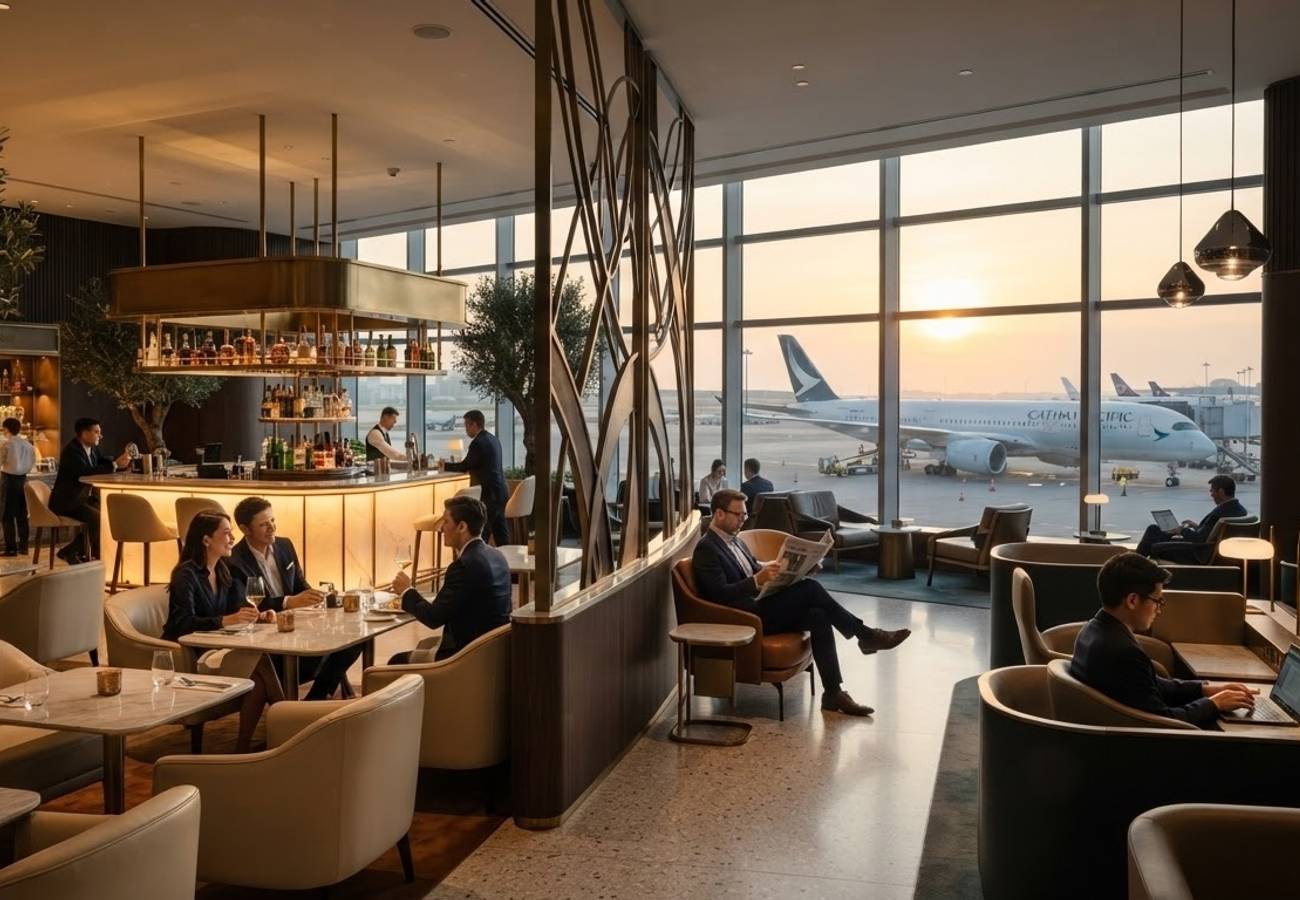
Image generated by AI
Premium airport lounge access has shifted from an exclusive perk for first-class passengers to a strategic asset for credit card holders. For the high-frequency traveler, choosing between the Chase Sapphire Lounge by The Club and the American Express Centurion network is no longer about luxury, but about logistical utility and network density.
Network Reach and Global Availability
The primary differentiator between these two networks is the balance between proprietary "flagship" spaces and partner access.
American Express maintains a dominant lead in proprietary footprint. The Centurion network includes more than two dozen lounges and Centurion Studios globally. Key U.S. hubs include Dallas Fort Worth (DFW), Miami (MIA), Las Vegas (LAS), Denver (DEN), Seattle (SEA), Los Angeles (LAX), and New York LaGuardia (LGA). International presence is anchored in major hubs such as London Heathrow (LHR), Hong Kong (HKG), and Sydney (SYD). In Atlanta, the Concourse E location is specifically noted for its utility during long international layovers.
Chase is operating a more targeted growth strategy. As of mid-2026, the Sapphire Lounge by The Club network is concentrated in high-traffic corridors:
- New York JFK Terminal 4 (featuring a partnership with Etihad Airways)
- Boston (BOS)
- Austin (AUS)
- New York LaGuardia Terminal B (LGA)
- Philadelphia (PHL)
- Hong Kong (HKG)
- Announced future sites: Las Vegas and Phoenix.
Our analysis of the route maps indicates a diverging philosophy in "gap filling." Amex relies on its Global Lounge Collection, integrating Delta Sky Clubs (when flying Delta), Plaza Premium lounges, and select Escape Lounges. Chase leverages the Priority Pass Select membership bundled with the Sapphire Reserve, providing access to over 1,300 partner lounges worldwide in cities like Cancun, Istanbul, and Zurich.
Access Requirements and Guest Policies
Entry protocols have diverged significantly in 2026, with Amex moving toward a more restrictive, spend-based model to combat overcrowding.
Chase Sapphire Access
The Chase Sapphire Reserve is the primary gateway. Cardmembers and authorized users gain complimentary entry to Sapphire Lounges and Priority Pass locations.
- Entry Window: Generally 3 hours before departure.
- Guest Policy: Up to two guests are admitted free of charge.
- Additional Guests: Approximately $27 per person, depending on the specific location.
- External Access: Non-Chase Priority Pass members are permitted one complimentary visit per calendar year to most Sapphire Lounges, subject to capacity.
Amex Centurion Access
Access is reserved for holders of The Platinum Card, Business Platinum, or the Centurion Card.
- Entry Window: 3-hour rule applies at most hubs; some locations no longer permit "arrival-only" entry.
- Guest Policy: Amex has tightened restrictions. Many Platinum holders no longer receive complimentary adult guests by default.
- Spend Thresholds: Complimentary guest access is now often tied to specific annual spending requirements. Those not meeting these thresholds must pay a per-visit guest fee.
- Exclusivity: Centurion Lounges are closed to Priority Pass and non-Amex cardholders; no day passes are available.
Amenities and On-Site Experience
Both networks outperform standard contract lounges, but they offer different atmospheres.
Centurion Lounge Experience
Amex focuses on a consistent, high-energy "club" feel.
- Dining: Extensive hot buffets with regional specialties (e.g., Tex-Mex in Dallas, Cuban-influenced dishes in Miami).
- Beverages: Staffed bars with complimentary cocktails curated by professional mixologists.
- Facilities: Shower suites and dedicated quiet zones are available in major hubs like Miami and Seattle.
Sapphire Lounge Experience
Chase leans toward a "boutique hotel" aesthetic with a focus on made-to-order quality.
- Dining: A shift away from buffets toward fresh preparation. In Boston, this includes grain bowls and slider plates. The JFK Terminal 4 location features a dedicated dining room.
- Beverages: Full bars offering premium spirits and local craft beers.
- Facilities: Integration of wellness spaces, family rooms, and dedicated work pods, alongside showers in major hubs like Hong Kong.
Comparison Summary
| Feature | Amex Centurion Lounge | Chase Sapphire Lounge |
|---|---|---|
| Primary Card | Amex Platinum / Centurion | Chase Sapphire Reserve |
| Proprietary Reach | High (24+ Global Locations) | Growing (Targeted Hubs) |
| Partner Network | Global Lounge Collection / Delta | Priority Pass (1,300+ Lounges) |
| Guest Policy | Restricted / Spend-based | 2 Guests Free |
| Food Style | High-end Hot Buffets | Made-to-Order / Fresh |
| Entry Logic | Strict Amex Ecosystem | Hybrid (Amex + Priority Pass) |
Why This Matters: Industry Analysis
From a logistical perspective, the choice between these two services depends on whether a traveler prioritizes consistency or flexibility.
The Amex Centurion network is a "walled garden." If you fly primarily through massive U.S. hubs like DFW or MIA, the Centurion Lounge is an unbeatable asset. However, the shift toward spend-based guest access creates a friction point for families and business travelers who frequently bring guests.
The Chase Sapphire model provides a superior "safety net." While there are fewer branded Sapphire Lounges, the Priority Pass integration ensures that a traveler is rarely without a lounge, even in secondary international markets. For the digital nomad or the corporate traveler who avoids "hub-hopping," the Sapphire Reserve provides more practical, day-to-day utility.
Furthermore, Chase's move toward made-to-order dining at JFK and Boston suggests a strategic pivot toward the "premium casual" dining trend, moving away from the traditional airport buffet which often suffers from quality degradation.
Forward Outlook
Expect Amex to further refine its guest access tiers. As overcrowding becomes a primary complaint at hubs like LGA and DFW, we anticipate more restrictive entry windows and higher spend requirements for complimentary guests.
Chase is likely to accelerate its "flagship" rollout. The announcement of Las Vegas and Phoenix locations indicates a strategy to capture the domestic luxury market. For travelers, the real value will be in the "hybrid" strategy: utilizing the Sapphire Reserve for its massive Priority Pass footprint while maintaining a Platinum card for the specific high-value Centurion hubs.
The battle for the terminal is no longer about who has the most gold leaf, but who can actually get you through the door.
Related Travel Guides
Disclaimer
This article is for informational and educational purposes only. It does not constitute legal, financial, or professional advice. While we strive to provide accurate and up-to-date information, travel policies, regulations, and conditions change rapidly. Always verify information with official sources before making travel decisions. Nomad Lawyer makes no representations about the accuracy, reliability, completeness, or suitability of the information provided. Readers should consult qualified professionals for advice specific to their circumstances. The views expressed in this article are those of the author and do not necessarily reflect the views of Nomad Lawyer.
Raushan Kumar
Founder & Lead Developer
Full-stack developer with 11+ years of experience and a passionate traveller. Raushan built Nomad Lawyer from the ground up with a vision to create the best travel and law experience on the web.
Learn more about our team →