
Changes in Bail Policy and Public Perception
Bail policy reforms are reshaping modern justice systems. Discover how risk-based evaluations, personal recognizance, and community safety concerns influence public perception.

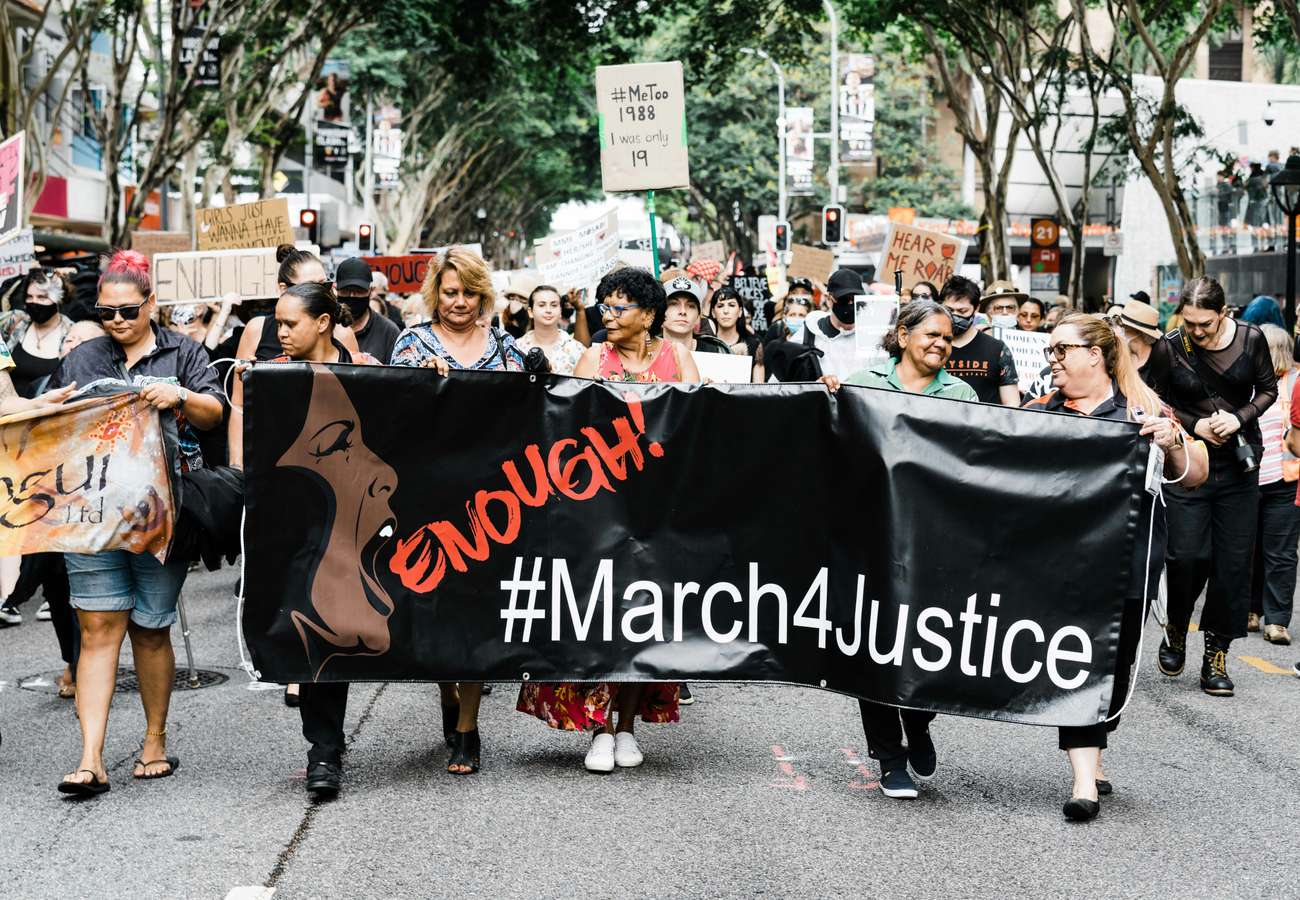
Photo by Nomad Lawyer Legal Desk / Modern justice system and bail policy evolution
Bail policies are fundamentally reshaping the modern justice system. While bail was once viewed merely as financial collateral to secure release from custody, public and legal discourse is now re-evaluating what pretrial detention should achieve and how equity is balanced with public safety.
From federal courtrooms to local communities, stakeholders are examining whether monetary conditions ensure justice or simply penalize economic hardship. Understanding the mechanics behind contemporary reforms clarifies how the legal landscape is evolving.
Bail Basics: Then and Now
Historically, the bail process was straightforward: defendants who could pay the court-ordered sum secured pretrial freedom, while those without financial means remained incarcerated pending trial regardless of individual flight risk or criminal history. Over time, legal scholars and advocates highlighted that this framework effectively prioritized wealth over public safety or presumed innocence.
Today, judicial systems are recalibrating their approach. Money is no longer the sole determination for pretrial release. Increasing numbers of jurisdictions utilize evidence-based risk assessments, evaluating whether a defendant poses a genuine public danger or flight risk rather than assessing their immediate liquidity.
The transformation of bail policies continues to gain momentum, driven by an understanding that incarcerating individuals simply due to financial constraints is neither just nor effective. Reform advocates push for alternatives like personal recognizance, where defendants sign a formal pledge to appear in court without monetary collateral. These steps ensure individuals are not unfairly penalized for economic status while maintaining dignity within the justice process.
Moreover, for those navigating traditional requirements, specialized resources like a bail bond service remain a practical mechanism for securing timely release without destabilizing household finances during complex legal proceedings.
Public Perception: The Debate Over Fairness and Safety
Public opinion regarding bail reform reflects two distinct viewpoints:
- Civil Liberties and Equity: Proponents emphasize that pretrial detention should be reserved strictly for individuals who pose a measurable threat to community safety. They argue that wealth-based incarceration disrupts employment, housing, and family stability before guilt has been proven in court.
- Community Protection and Compliance: Critics voice concerns regarding repeat offenses and court appearance rates, advocating for robust deterrents to prevent individuals from evading legal accountability.
Data from several jurisdictions undergoing pretrial policy modernization shows that individuals released under non-monetary conditions maintain high rates of court appearance, challenging misconceptions surrounding noncompliance. This evidence provides opportunities to build public trust in balanced pretrial policies that safeguard both constitutional rights and public welfare.
Modernizing Pretrial Release and Risk Assessment
The movement away from rigid cash bail is built around risk differentiation. Rather than applying uniform financial thresholds, modern courts analyze objective factors:
- Nature and severity of the alleged offense.
- Prior criminal record and history of court appearances.
- Community ties, employment, and support structures.
- Specific, verifiable threats to victims or witnesses.
Communities are actively engaging with local and state governments to reshape pretrial practices, advocating for solutions that marry safety with fairness. This grassroots engagement ensures that solutions are community-centric, reflecting local needs and statutory standards. Educational initiatives help citizens understand the distinction between evidence-based reform and outright abolition.
The Public Safety Dilemma: Balancing Rights with Oversight
Achieving effective pretrial justice requires maintaining community safety without overcrowding correctional facilities with non-violent individuals awaiting trial. States like New Jersey and California have demonstrated that reducing reliance on cash bail can lower jail populations without triggering surges in violent crime.
Nevertheless, continuous evaluation remains necessary. Judicial oversight, supervisory check-in programs, and automated court date reminders help mitigate the risk of missed hearings or repeat offenses, reinforcing accountability across the pretrial timeline.
Global Context and Future Outlook
The evolving bail debate highlights a broader transition toward rehabilitative justice and evidence-based jurisprudence. International legal bodies and foreign judiciaries observe these systemic adjustments closely as they address parallel challenges within their own statutory frameworks.
Changes in bail policy signal meaningful progress toward an equitable legal landscape. As justice systems continue to refine pretrial procedures, bail increasingly functions as a mechanism for public safety and due process rather than a financial barrier to freedom.
Strategic Logistics Analysis and 2026 Traveler Insights
As the landscape of bail policies continues to evolve, travelers, particularly those involved in legal proceedings or interested in observing these changes firsthand, must navigate a complex web of legal, social, and logistical considerations. For individuals planning to travel to areas where bail reform is a significant issue, understanding the local context, timing, and resources available is crucial.
Visitor Advice
Travelers should research the specific bail policies and legal climate of their destination. This includes understanding the local laws, the stance of the community on bail reform, and any recent changes to pretrial detention practices. For those directly involved in legal cases, consulting with local legal experts or organizations specializing in bail reform can provide invaluable insights and guidance.
Peak Travel Timing
The timing of travel can significantly impact one's experience, especially in areas where legal proceedings and community discussions around bail reform are prominent. Peak travel seasons may coincide with heightened activity around court cases, potentially affecting the availability of accommodations, legal services, and community resources. Travelers should consider visiting during less busy periods to facilitate smoother interactions with local legal systems and community organizations.
Booking Considerations
When booking travel and accommodations, consider the proximity to legal services, court houses, and community centers where discussions on bail reform may take place. Access to reliable transportation and the ability to navigate the local area efficiently are also important factors. Utilizing online resources and travel apps can help in identifying suitable locations and planning itineraries that cater to specific needs related to bail reform observations or involvement.
Transit Alternatives
For travelers, especially those on a budget or preferring not to drive, understanding the local transit system is essential. Many cities offer public transportation options that can efficiently connect travelers to key locations such as court houses, legal offices, and community centers. Additionally, ride-sharing services and bike rentals can provide flexible and cost-effective alternatives for navigating the area.
Regional Context
The regional context of bail reform varies significantly, with different states and cities adopting unique approaches to pretrial detention. Travelers should be aware of these differences to better understand the local discourse and legal practices. For instance, some jurisdictions may have implemented more progressive bail policies, focusing on risk assessment rather than monetary bail, while others may still rely heavily on traditional bail systems. This awareness can help travelers engage more meaningfully with local communities and legal professionals, fostering a deeper understanding of the complexities surrounding bail reform.
Community Engagement
Engaging with local communities and attending public forums or discussions on bail reform can offer travelers a firsthand perspective on the issue. Many organizations, from legal advocacy groups to community centers, host events and meetings that are open to the public. These events provide a platform for travelers to learn about the personal stories and challenges associated with bail reform, as well as the opportunities for positive change within the justice system.
Legal Assistance
For travelers who find themselves in need of legal assistance related to bail or pretrial detention, knowing how to access local legal resources is critical. This includes understanding the role of public defenders, the process of securing private legal counsel, and the availability of pro bono services. Legal aid organizations and hotlines can serve as vital resources, offering guidance and support to those navigating the legal system in unfamiliar territories.
In conclusion, traveling to areas where bail reform is a central issue requires careful planning, an understanding of local legal and social contexts, and awareness of the resources available to travelers. By considering these factors, individuals can ensure a more informed and productive experience, whether their interest in bail reform is professional, personal, or observational.
FAQ: Changes in Bail Policy and Public Percep 2026
How do bail policy changes affect travelers? Affects pre-trial detention and release conditions.
What are the key bail reforms in 2026? Reforms focus on risk assessment and non-monetary release.
Can travelers be released without bail? Yes, in some cases, with strict conditions applied.
How do public perceptions influence bail policies? Influence is significant, with many reforms driven by public opinion.
Related Travel Guides
Can You Travel While on Bail in Canada? Key Legal Restrictions Explained
What Happens After You're Arrested in California: A Step-by-Step Legal Guide
10 Critical Facts About Cash Bail Reform and Pretrial Rights, According To Reddit
Disclaimer
This article is for informational and educational purposes only. It does not constitute legal, financial, or professional advice. While we strive to provide accurate and up-to-date information, travel policies, regulations, and conditions change rapidly. Always verify information with official sources before making travel decisions. Nomad Lawyer makes no representations about the accuracy, reliability, completeness, or suitability of the information provided. Readers should consult qualified professionals for advice specific to their circumstances. The views expressed in this article are those of the author and do not necessarily reflect the views of Nomad Lawyer.
Kunal K Choudhary
Co-Founder & Contributor
A passionate traveller and tech enthusiast. Kunal contributes to the vision and growth of Nomad Lawyer, bringing fresh perspectives and driving the community forward.
Learn more about our team →