
Who Can Be Held Liable After a Serious Truck Accident?
A serious truck accident involves multiple parties beyond just the driver. Learn how drivers, trucking companies, maintenance providers, and cargo loaders can be held liable under Pennsylvania law.

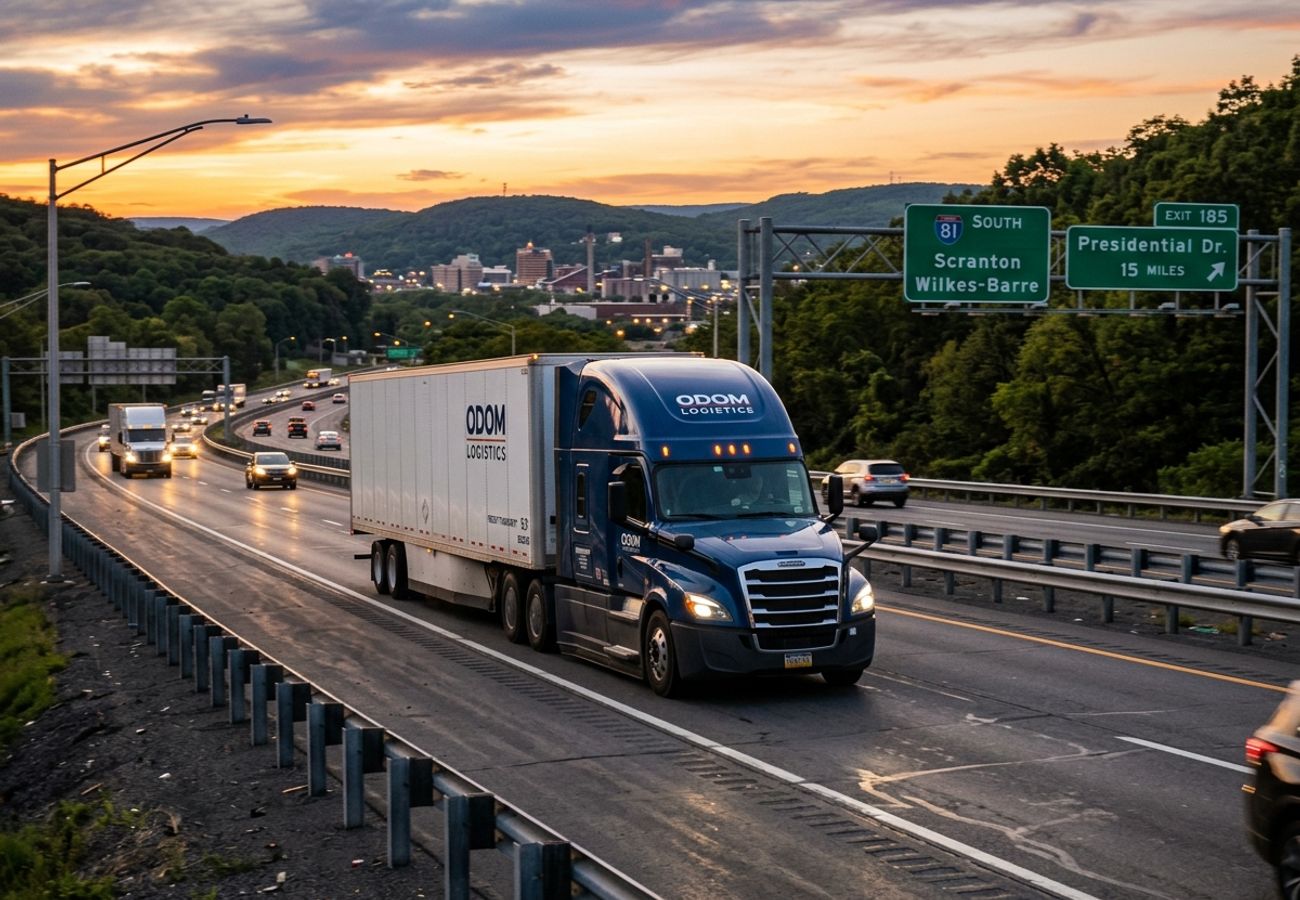
Photo by Nomad Lawyer Legal Desk / Identifying multiple liable parties in a commercial truck accident investigation
A serious truck accident in Scranton can leave injured people facing questions that go well beyond the conduct of the driver behind the wheel. Commercial trucking involves multiple businesses, contractors, and service providers, and any one of them may have contributed to the collision or the resulting injuries. Determining where responsibility lies requires attention to how the truck was operated, maintained, loaded, and managed, rather than assuming that the driver is the only party involved.
For someone injured in a truck crash around Scranton, speaking with a Scranton truck accident lawyer can help clarify which parties and records deserve closer examination. A lawyer can assess the collision circumstances alongside driver files, company records, maintenance information, cargo documents, and insurance policies. This broader approach matters when evidence points to more than one contributing factor and when records held by trucking companies or other businesses may be difficult to obtain later.
Determining Truck Driver Liability
A truck driver can face liability for unsafe conduct behind the wheel. Common examples include speeding, distracted driving, impaired driving, following too closely, unsafe lane changes, and driving while fatigued. A driver’s failure to inspect the vehicle or secure cargo can create additional evidence of negligence.
Federal rules regulate commercial drivers’ qualifications, hours of service, drug and alcohol testing, and driving conduct. A violation does not automatically decide every claim, but it can show the driver breached a required safety standard.
People injured in Scranton-area crashes often need prompt help identifying the correct parties and preserving evidence. A Scranton truck accident lawyer can examine driver records, dispatch messages, electronic logging device data, inspection reports, and crash-scene evidence. That review helps determine whether fatigue, training failures, dispatch pressure, or unsafe driving caused the collision. It also prevents the trucking company from controlling the evidence review alone.
Trucking Company Responsibility and Vicarious Liability
A trucking company can be responsible for its employee’s negligence when the driver acted within the scope of employment. The company can also face direct liability for its own conduct, including negligent hiring, inadequate training, poor supervision, or failure to enforce safety policies.
Company records often show whether managers knew about prior violations, license problems, medical restrictions, or repeated hours-of-service issues. Dispatch records can also reveal pressure to meet unrealistic delivery schedules. Those details can connect company decisions to driver fatigue or unsafe conduct.
Some carriers use independent contractors rather than employees. That arrangement does not end the inquiry. The company may still bear responsibility if it controlled the driver’s work, selected an unsafe contractor, assigned defective equipment, or violated federal safety requirements.
Truck Owners and Third-Party Maintenance Providers
The truck owner can face liability when defective equipment, poor maintenance, or unsafe modifications contributed to the crash. Brake problems, worn tires, steering defects, lighting failures, and unsecured loads require careful inspection by qualified professionals.
A maintenance company may share responsibility if it performed careless repairs or falsely recorded an inspection. Investigators compare service invoices, inspection reports, repair orders, and photographs with the vehicle’s actual condition. They also examine whether the company ignored warnings or returned the truck to service prematurely.
The owner and carrier are not always the same entity. A lease agreement, registration record, title document, and insurance policy can show which parties controlled the vehicle and accepted responsibility for its operation.
Cargo Loaders, Shippers, and Freight Handlers
Cargo handlers and shippers can be liable when improperly loaded or secured freight shifts, falls, or changes the truck’s balance. Federal cargo-securement rules cover tie-downs, blocking, weight distribution, and freight movement during transport.
A load that exceeds legal weight limits can also affect braking and steering. Investigators review bills of lading, weight tickets, loading instructions, warehouse records, and crash-scene photographs. These documents can identify who selected the cargo, loaded it, checked it, or approved its release.
Vehicle Manufacturers and Government Roadway Entities
A manufacturer can be liable when a defective tire, brake component, steering part, or safety system causes or worsens a collision. Product liability claims require evidence about the product’s condition, intended use, warnings, and connection to the injuries.
Roadway conditions can also contribute to a crash. A government agency or private contractor may face a claim when poor maintenance, dangerous construction practices, or inadequate warnings created an unreasonable hazard. These claims involve special notice rules and shorter deadlines, so prompt legal review matters.
A serious crash can involve several causes at once. Pennsylvania law allows fault to be assigned among responsible parties, making a thorough investigation more useful than relying on the driver’s statement alone.
Critical Evidence That Establishes Truck Crash Liability
Important evidence includes photographs, vehicle inspections, event data recorder downloads, electronic logging device records, dashcam footage, dispatch communications, driver qualification files, drug and alcohol testing records, maintenance documents, and witness statements.
A preservation letter can require the carrier to retain relevant records. Investigators also compare the truck’s electronic data with fuel purchases, toll records, GPS information, delivery times, and handwritten logs. Discrepancies can expose inaccurate records or hours-of-service violations.
Steps to Protect Your Rights After a Serious Collision
Liability after a serious truck accident can rest with the driver, carrier, owner, maintenance provider, shipper, cargo loader, manufacturer, or another responsible party. The right answer depends on the evidence, not the company name printed on the truck.
Injured people should seek medical care, avoid giving recorded statements before legal advice, preserve photographs and messages, and report the crash promptly. A timely investigation can protect records, identify every liable party, and support a properly valued Pennsylvania claim.
Related Travel Guides
Disclaimer
This article is for informational and educational purposes only. It does not constitute legal, financial, or professional advice. While we strive to provide accurate and up-to-date information, travel policies, regulations, and conditions change rapidly. Always verify information with official sources before making travel decisions. Nomad Lawyer makes no representations about the accuracy, reliability, completeness, or suitability of the information provided. Readers should consult qualified professionals for advice specific to their circumstances. The views expressed in this article are those of the author and do not necessarily reflect the views of Nomad Lawyer.
Raushan Kumar
Founder & Lead Developer
Full-stack developer with 11+ years of experience and a passionate traveller. Raushan built Nomad Lawyer from the ground up with a vision to create the best travel and law experience on the web.
Learn more about our team →