
CDN Lighting Advances Hospitality Design With Anti Glare Lighting Technology
CDN Lighting Advances Hospitality Design With Anti Glare Lighting Technology

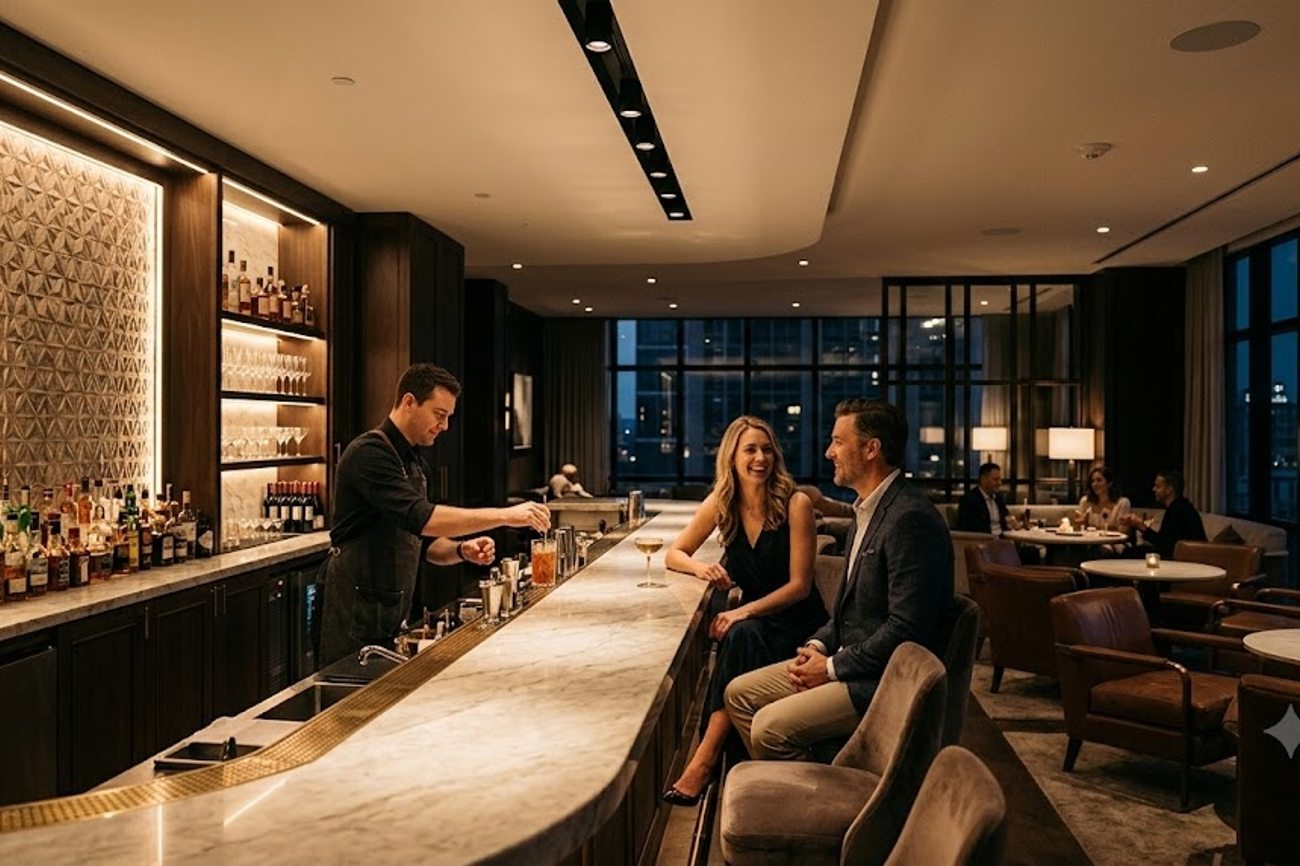
Image generated by AI
[Singapore, May 2024] — Chinese lighting manufacturer CDN Lighting has launched a specialized anti-glare lighting system designed to eliminate visual discomfort and optimize energy efficiency within the hospitality sector. The company is positioning this technology as a critical tool for hotels seeking to balance high-end interior aesthetics with operational cost reductions.
Katerina Protsenko, representing the Asia-Pacific operations for CDN Lighting, confirmed the rollout of the anti-glare lens technology during a recent industry showcase. The system specifically targets the "brightness-darkness" gap in hotel interiors, aiming to provide illumination that is neither overly dim nor blindingly bright. The initiative is part of a broader expansion strategy to penetrate the Singapore Tourism Board regulated market and other high-growth hospitality hubs across the Asia-Pacific region.
The Push for Visual Comfort
The immediate catalyst for this product launch is the growing tension in hotel design between bold architectural lighting and guest wellness. Many modern hospitality interiors suffer from "light pollution" or harsh glare that disrupts the guest experience. CDN Lighting is attempting to solve this by integrating a unique lens that diffuses light more effectively, reducing eye strain while maintaining the required lumens for safety and functionality.
According to Protsenko, the hospitality industry currently struggles to find a middle ground where an interior remains attractive and "distinctive" without sacrificing the comfort of the occupant. The new technology moves away from traditional high-intensity lighting toward a "balanced lighting scenario." This approach is intended to make hotel lobbies, corridors, and guest rooms feel more intuitive and less clinical.
Markets and Projects Affected
The deployment of this technology is primarily focused on the Asia-Pacific (APAC) corridor, with a specific emphasis on the Singaporean market. The following sectors are the primary targets for implementation:
- Luxury Hotel Renovations: Properties seeking to update interior spaces to meet modern "wellness" standards without full structural overhauls.
- Boutique Hospitality Projects: New builds that require "one-of-a-kind" design elements but are operating under strict budget constraints.
- Energy-Conscious Developments: Hotels aiming to meet regional sustainability goals by reducing wattage while maintaining perceived brightness.
- Commercial Hospitality Hubs: Large-scale resorts in the APAC region where lighting must adapt to varying times of day and guest usage patterns.
What This Means for Travelers
While lighting technology is an operational detail, the impact on the end-user—the traveler—is direct and physical. For those booking stays in hotels utilizing these systems, the "passenger impact" manifests in three primary ways:
1. Reduction in Visual Fatigue Travelers often experience "jet lag" and sensory overload. Harsh, flickering, or glaring overhead lights in hotel corridors and rooms can exacerbate headaches and sleep disruption. Anti-glare technology creates a softer visual environment, which is designed to lower stress levels upon arrival.
2. Enhanced Room Atmosphere The shift toward "adaptable" lighting means guests will likely encounter rooms that can transition more smoothly from bright, functional work-spaces to dim, relaxing environments. This eliminates the "stark" feeling often found in budget or mid-scale hotel chains.
3. Sustainable Stays As hotels integrate energy-saving lenses, travelers can feel more confident that their stay aligns with environmental standards. Efficient lighting reduces the overall carbon footprint of the property, a metric increasingly tracked by eco-conscious nomads and business travelers.
The Decade-Long Roadmap for Hospitality Design
CDN Lighting views this launch not as a temporary trend, but as a foundational shift in how hospitality spaces are engineered. Protsenko suggests that anti-glare technology will be the "middle of the market" standard within the next ten years. This implies that what is currently a premium feature will soon become a baseline requirement for any hotel seeking a competitive edge in guest satisfaction.
The company's strategy involves blending "price efficiency" with high-performance hardware. By making this technology affordable, CDN Lighting is attempting to democratize high-end lighting design, allowing mid-tier hotels to offer a visual experience previously reserved for five-star luxury brands.
The broader movement in the industry is toward "sophisticated environments." This means lighting is no longer treated as a utility (simply turning a room from dark to light) but as a psychological tool to influence the guest's mood and perception of the brand. The integration of these systems is expected to accelerate as more hotels in the APAC region compete for the "wellness tourism" demographic.
For regulatory oversight and standards regarding electrical safety and energy efficiency in the region, manufacturers and hotel operators typically align with the Energy Market Authority (EMA) of Singapore or similar national bodies to ensure that "energy-saving objectives" are verified and compliant.
FAQ: Hotel Lighting Trends 2024
What is anti-glare lighting and why does it matter for guests? Anti-glare lighting uses specialized lenses to prevent light from hitting the eye directly at high intensities. For guests, this means fewer headaches, reduced eye strain, and a more relaxing atmosphere in hotel rooms and public areas.
Will this technology increase the cost of hotel rooms? No. CDN Lighting specifically highlighted "price efficiency" and "affordability" as core features of their solution. The goal is to provide high-end visual comfort at a cost that fits various hotel budget expectations.
How does this lighting contribute to energy efficiency? The technology optimizes how light is distributed, allowing hotels to achieve the necessary brightness levels using less energy. This helps properties meet sustainability targets without making the rooms feel too dim.
Where is this technology currently being implemented? The primary focus is on the Asia-Pacific region, with a strong push into the Singapore market. It is designed for both new hotel constructions and the renovation of existing hospitality projects.
The future of the hotel stay is not just about the bed, but the light above it.
#CDNLighting #SingaporeHospitality #APACHotelDesign #AntiGlareTech #HospitalityInnovation2024 #HotelInteriorDesign
Related Travel Guides
- You can now traverse the distance between Zurich and Barcelona while sleeping in a fully flat bed, reducing your carbon footprint by up to 91% compared to flying. This is not a luxury train or a first-class flight, but a reimagined approach to the overnight coach, designed to turn transit hours into actual rest.
- Will Artificial Intelligence And Smart Systems Finally Fix The Outdated Booking Hassles Facing Tourists In Europe?
- West Africa's Creative Renaissance
Disclaimer
This article is for informational and educational purposes only. It does not constitute legal, financial, or professional advice. While we strive to provide accurate and up-to-date information, travel policies, regulations, and conditions change rapidly. Always verify information with official sources before making travel decisions. Nomad Lawyer makes no representations about the accuracy, reliability, completeness, or suitability of the information provided. Readers should consult qualified professionals for advice specific to their circumstances. The views expressed in this article are those of the author and do not necessarily reflect the views of Nomad Lawyer.
Naina Thakur
Contributor & Travel Specialist
Travel enthusiast and legal writer covering visa regulations, responsible tourism, and cultural journeys across global destinations.
Learn more about our team →