
Cartagena Travel Safety Guide 2026: Historic Centre Security, Rural Advisory Context, and Visitor Protocols
Following a rural security incident in northern Bolivar, we examine safety in Cartagena's Walled City, Getsemaní, and Bocagrande, alongside official municipal policing protocols for 2026.

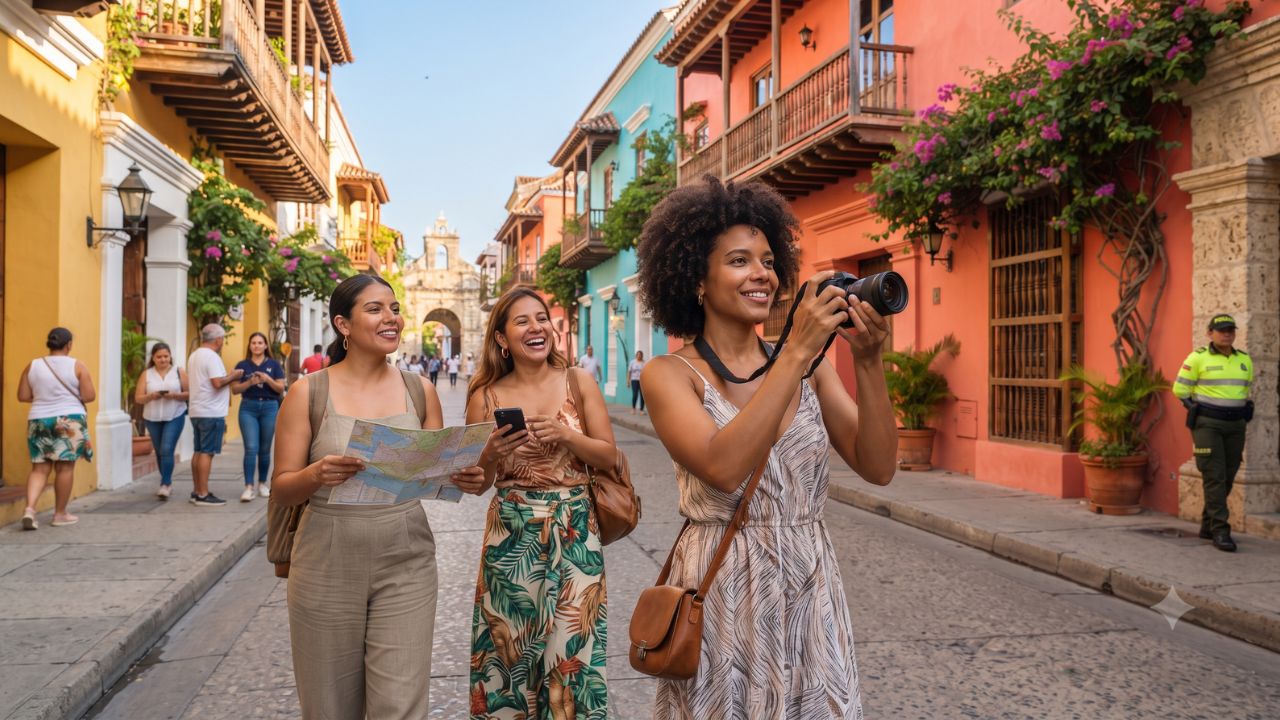
While recent headlines highlighted a tragic rural shooting 15 kilometers north of Cartagena, the fortified Historic Centre, Getsemaní, and Bocagrande continue to operate under heavy municipal security patrols, dedicated tourism police, and normal international visitor traffic. For travelers charting an itinerary along Colombia's Caribbean coastline, distinguishing between isolated peripheral rural conflicts and urban visitor corridors is fundamental to planning a safe, rewarding journey.
On the night of 1 October 2026, residents in the rural Puerto Rey and Tierra Baja sector of northern La Boquilla reported gunfire between 10:30 PM and 11:00 PM. Responding investigators discovered three deceased individuals inside a white vehicle and a fourth victim on the connecting road. The four victims were young men aged approximately 20 to 22. Independent peace and conflict-monitoring organization Indepaz designated the attack as Colombia's 95th massacre of 2026 under its statistical definition of three or more fatalities in a single incident. The Cartagena Metropolitan Police and Fiscalía General de la Nación immediately launched a joint investigation into potential organized crime links, while evaluating the authenticity of a threatening leaflet attributed to the Autodefensas Gaitanistas de Colombia (Clan del Golfo).
No tourists were targeted or present during the rural incident. Nonetheless, the event serves as an important reminder for international travelers to stay informed about regional security geography and maintain smart urban travel habits.
Security Realities and Municipal Protection in Cartagena's Historic Zones
The primary tourist districts of Cartagena de Indias—specifically the UNESCO-listed Historic Centre, the cultural quarter of Getsemaní, and the modern beachfront strip of Bocagrande—remain distinct from rural northern settlements. Recognized globally by the UNESCO World Heritage Centre for its extensive 16th-century colonial ramparts and fortifications, the city center is protected by specialized security infrastructure.
The National Police deploys specialized Police Tourism and Heritage divisions throughout major plazas, beach access points, and hotel strips. During peak seasons, such as Holy Week in 2026, police mobilized more than 3,500 officers across transport hubs, historic monuments, and coastal promenades. Targeted municipal enforcement has also focused directly on tourist protection; in March 2026, authorities arrested seven individuals belonging to an organized drug ring attempting to solicit visitors inside the walled city.
CARTAGENA TOURIST DISTRICT & SAFETY PROFILE 2026
| Entity / Route | Metrics | Operational Status |
|---|---|---|
| District / Zone | Primary Highlights | Security & Policing Profile |
| Historic Centre | Spanish fortifications | Heavy Tourism Police presence, |
| (Walled City) | colonial architecture | foot patrols, 24/7 CCTV |
| Getsemaní | Street art, cafés, | Active evening pedestrian flow |
| nightlife, live music | & regular police checkpoints | |
| Bocagrande & | High-rise hotels, | Modern resort strip with |
| Castillogrande | urban beaches, dining | private security & patrols |
| Rosario Islands | Coral reefs, diving, | Regulated departures from |
| & Barú | boat excursions | Muelle de La Bodeguita marina |
| Northern Rural Ring | Tierra Baja / | Rural farming settlements; |
| (Puerto Rey) | agricultural zones | avoid non-guided night visits |
National travel advisories, including the U.S. Department of State Colombia Advisory, maintain a Level 3 "Reconsider Travel" advisory for Colombia due to crime, civil unrest, and terrorism in specific regional departments. Crucially, Cartagena is not listed under "Do Not Travel" restrictions, and hundreds of thousands of international visitors explore the city annually without incident by adhering to established travel boundaries.
What Makes Cartagena Different for International Visitors
Cartagena combines four centuries of colonial architecture with African, Indigenous, and Spanish cultural traditions. The city is currently expanding its public infrastructure to make walking between cultural centers more accessible.
In 2026, municipal authorities inaugurated the renovated Historic Corridor, linking the walled inner city directly to Parque de la Marina with widened pedestrian walkways, energy-efficient lighting, and dedicated security kiosks. A newly opened Centro de Atención al Turista at Parque Centenario provides multi-lingual visitor assistance, official transit maps, and a direct reporting desk for consumer or safety concerns.
Cultural life peaks during the annual 11 November Independence celebrations (spanning 11 to 15 November 2026), when the city hosts street parades, heritage music ensembles, and folkloric dance performances inspired by coastal Afro-Colombian history.
Safety and Transit Breakdown by Transportation Method
| Transport Option | Typical Cost Range | Operational Hours | Safety Profile & Recommendations |
|---|---|---|---|
| Official Registered Yellow Taxis | 10,000 – 30,000 COP (Negotiated) | 24 Hours / Daily | Safe. Always agree on fare before stepping inside. |
| App-Based Ride Hailing (Cabify/InDrive) | 12,000 – 35,000 COP (App-metered) | 24 Hours / Daily | Highly recommended for clear pricing and route tracking. |
| Authorized Island Passenger Ferries | 80,000 – 150,000 COP round-trip | 08:00 AM – 04:00 PM | Depart exclusively from Muelle de La Bodeguita. |
| Historic Centre Walking Tours | Free tips / 50,000 COP guided | Daylight to 10:00 PM | Extremely safe within fortified walls and main plazas. |
| Unofficial Street Boat Charters | Highly variable / Unregulated | Unpredictable | Avoid entirely due to lack of marine safety enforcement. |
Visitor Insider Tips
Experiencing Cartagena comfortably means adopting the streetwise habits of experienced travelers:
- Depart Islands Only from Muelle de La Bodeguita: When taking day boats to Isla Barú, Playa Blanca, or the Rosario Islands, purchase tickets only at the official municipal booths inside Muelle de La Bodeguita. Unofficial operators soliciting at beaches often cut corners on life jackets and maritime permits.
- Master the Golden Rule of "No Dar Papaya": The famous Colombian idiom means "do not display your vulnerabilities." Keep smartphones in your front pocket, leave valuable watches and expensive jewelry in your hotel safe, and use ATMs located inside bank branches or secure hotel lobbies.
- Agree on Taxi Fares in Advance: Cartagena taxis do not use digital meters. Before sitting down, state your destination in Spanish and confirm the exact fare (for example, "Cuanto al Centro Histórico?"). Official fare charts are posted at the airport taxi dispatch stand.
- Pace Yourself Against Tropical Humidity: Afternoon temperatures frequently hit 33°C (91°F) with high humidity. Plan museum visits, such as the Palace of the Inquisition, between 12:00 PM and 03:00 PM, reserving the cooler morning and sunset hours for walking the perimeter walls.
- Base Yourself in Well-Lit Central Quarters: For first-time visitors, staying inside the walled Centro Histórico, San Diego, or Getsemaní ensures you are within walking distance of restaurants, cafes, and staffed police checkpoints.
Cultural and Environmental Context
Cartagena's historic core is an active residential and commercial ecosystem, not an open-air museum. The growth of boutique hotels and vacation rentals has driven gentrification in Getsemaní, making it essential for travelers to support locally owned eateries, fruit palenqueras, and community-led artisan shops.
Environmental conservation is equally pressing along the fragile Caribbean coral reef systems surrounding the Rosario and San Bernardo National Natural Parks. Visitors should choose tour operators committed to reef-safe practices, avoid buying souvenirs made from tortoiseshell (carey), and refrain from anchoring on live coral formations. Resources provided by Colombia Travel highlight certified sustainable operators focused on environmental preservation and community equity.
FAQ: Visiting Cartagena 2026
Is Cartagena safe for international tourists in 2026?
Yes, provided visitors stay within established tourist zones such as the Historic Centre, Getsemaní, and Bocagrande, avoiding isolated rural districts after dark.
Can I travel to the Rosario Islands safely?
Yes. Book certified boat charters directly from the official Muelle de La Bodeguita docks to ensure certified captains and complete maritime safety equipment.
What is the best neighborhood to stay in for first-time visitors?
The fortified Historic Centre (Centro and San Diego) or Getsemaní offer the best combination of walkability, cultural attractions, dining, and round-the-clock police patrols.
How do I contact emergency services in Cartagena?
Dial 123 for National Police and medical emergencies in Colombia. For specialized tourist assistance, visit the Centro de Atención al Turista at Parque Centenario.
By respecting local advice, keeping to well-patrolled quarters, and traveling with cultural awareness, Cartagena rewards visitors with an unforgettable Caribbean journey.
Related Travel Guides
Disclaimer
This article is for informational and educational purposes only. It does not constitute legal, financial, or professional advice. While we strive to provide accurate and up-to-date information, travel policies, regulations, and conditions change rapidly. Always verify information with official sources before making travel decisions. Nomad Lawyer makes no representations about the accuracy, reliability, completeness, or suitability of the information provided. Readers should consult qualified professionals for advice specific to their circumstances. The views expressed in this article are those of the author and do not necessarily reflect the views of Nomad Lawyer.
Raushan Kumar
Founder & Lead Developer
Full-stack developer with 11+ years of experience and a passionate traveller. Raushan built Nomad Lawyer from the ground up with a vision to create the best travel and law experience on the web.
Learn more about our team →