
Flight Attendant Packing Secrets 2026: Essential Carry-On Items for Maximum Efficiency
Learn the precise carry-on packing strategies used by veteran flight attendants to handle unpredictable rosters, diverse climates, and strict luggage limits while maintaining professional standards.

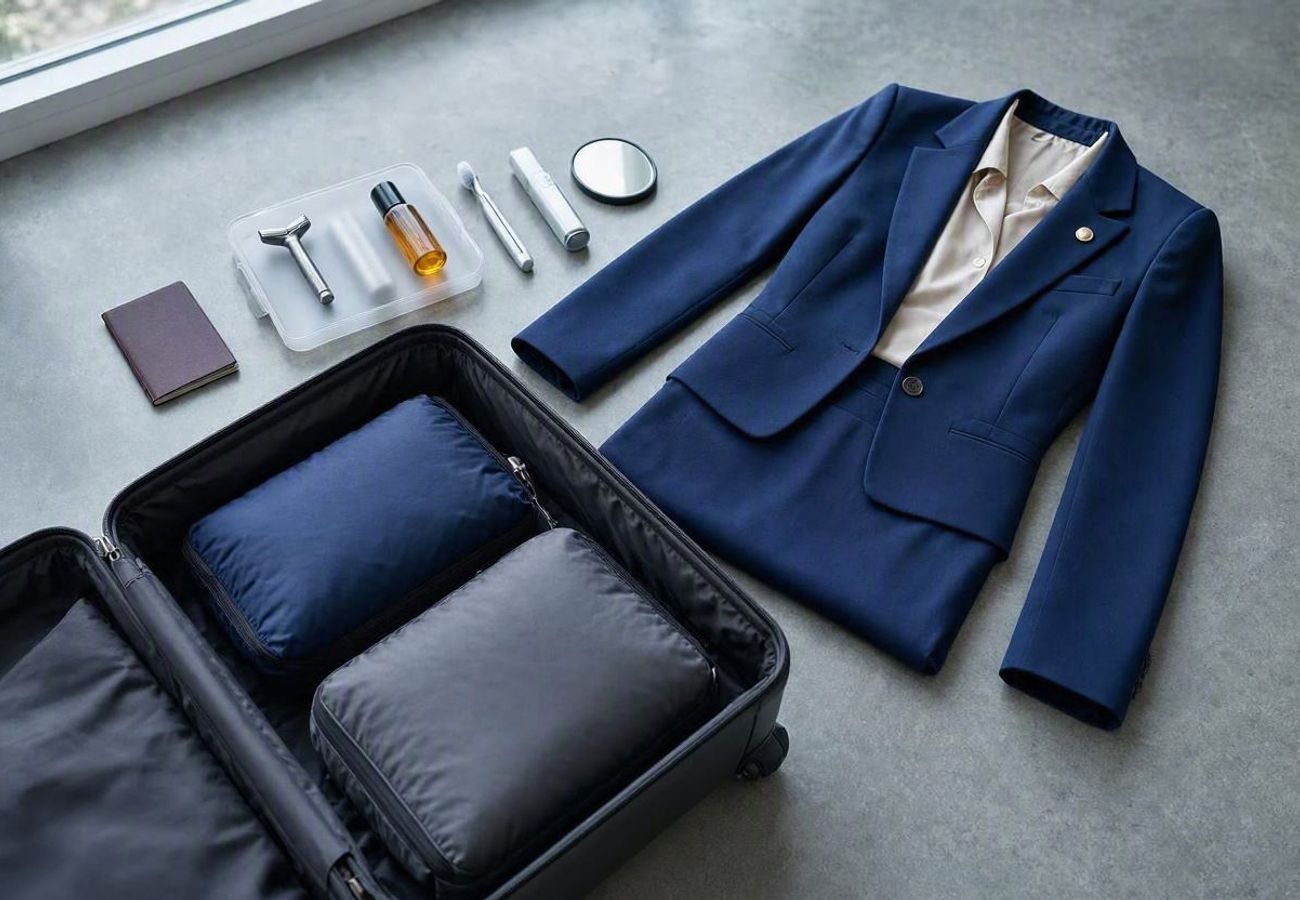
Image generated by AI
Imagine standing in a transit lounge with a sudden roster change, your destination shifted from a tropical hub to a freezing winter capital in a matter of hours. For the average traveler, this is a nightmare; for a veteran flight attendant, it is simply Tuesday. The ability to pivot between climates and professional requirements using only a single carry-on and a crew bag is not just a skill—it is a survival mechanism developed over decades of aviation service.
The Logistics of Crew Packing: Precision and Versatility
For aviation professionals, packing is an exercise in extreme efficiency. The volatility of flight schedules—driven by technical delays, standby duties, and emergency rerouting—means that a crew member's luggage must be ready for any scenario. The primary goal is to minimize weight while maximizing utility, ensuring that the bag can accommodate both the requirements of the flight and the needs of the destination.
Professional crew members typically utilize two primary organizational methods to optimize their limited space: packing cubes and the rolling technique. Packing cubes allow for the strict categorization of items, ensuring that essentials remain flat and easy to locate. Conversely, rolling garments is the preferred method for reducing bulk and preventing deep creases in professional attire. To mitigate the risk of luggage loss during tight connections, many now integrate Apple AirTags or similar tracking devices.
Beyond personal clothing, crew members must carry mandatory operational equipment. This includes digital or physical flight manuals, licenses, visas, and a spare set of uniforms. While passengers focus on comfort, crew members must pack for presentation, including service waistcoats and specific cabin shoes.
Strategic Clothing and Wardrobe Management
When managing short to mid-haul rotations—which often involve multi-sector trips across various countries for up to three days—the wardrobe strategy is based on "interchangeability."
- The Smart-Casual Capsule: Crew members pack two to three outfits that function across multiple settings, from dinner with colleagues to local sightseeing. These items must be professional enough to represent the airline brand while remaining comfortable.
- Climate Adaptability: A lightweight jacket or fleece is a non-negotiable addition for colder destinations.
- Footwear Logic: To maintain cleanliness, shoes are stored in dedicated shoe bags. Most crew members carry one pair of versatile shoes and a pair of flip-flops for hotel use or pool areas.
- Maintenance Tools: Because they cannot always access laundry services, travel-sized wash and laundry bags are essential for extending the life of a limited wardrobe.
The Miniature Toolkit: Toiletries and Self-Care
Space is the most valuable currency in a carry-on. To save room, flight attendants rely heavily on decanting products into miniature travel bottles or using sample-sized toiletries.
The "miniature strategy" includes:
- Fragrance and Atmosphere: Using travel-size atomizers for perfume and small room sprays to neutralize hotel odors.
- Hair and Skin Care: Dry shampoo and shampoo bars are preferred over liquid versions to save space and avoid leaks.
- Sleep Hygiene: Eye masks and earplugs are mandatory for those needing to recover from jet lag in noisy environments.
- Environmental Protection: Depending on the route, sunscreen, insect repellent, and sunglasses are packed.
- Advanced Self-Care: To combat the dehydrating effects of pressurized cabins, crew members often pack sheet masks, eye patches, and foot masks for use during layovers.
Nutrition and Hardware for the Road
Relying on airport food or hotel room service is often impractical due to arrival times. Consequently, seasoned crew members carry a curated selection of "emergency" sustenance.
- Hydration and Basics: A reusable water bottle is a constant companion.
- Shelf-Stable Snacks: Tuna packets, energy bars, crackers, instant noodles, and soups provide a safety net when supermarkets are closed.
- Kitchen Hacks: Some crew members save salt, pepper, and dressing sachets from previous flights or hotels. While most rely on hotel amenities, some long-haul crew members even carry small cooking appliances.
- Tech Essentials: A universal travel adapter is mandatory. Power banks, extension cords, and laptops are standard, while items like travel irons or kettles are usually sourced from the hotel reception.
- Security Measures: Due to the nature of staying in various hotels globally, some crew members carry door wedges or portable locking devices for added safety.
In-Flight Survival and First Aid
The aircraft cabin is a harsh environment. Dry air and pressure changes take a toll on the body, leading crew members to carry a specific "cabin survival kit."
The Cabin Comfort Kit:
- Nasal inhalers and eye drops to combat dryness.
- Lip balms, face mists, and high-quality hand creams.
- A small sewing kit for emergency uniform repairs (e.g., loose buttons).
- A "freshen-up" kit containing deodorant, a comb, and cosmetics.
The Professional First Aid Kit: Crew members maintain a mini-medical kit that exceeds standard passenger needs. This typically includes band-aids for blisters, cooling gels for burns (specifically for galley oven accidents), painkillers, antiseptic wipes, and electrolyte sachets for dehydration.
Operational requirements often dictate the inclusion of a small flashlight and a CPR mask. Furthermore, a wristwatch is a mandatory tool for timing flight phases and service. To assist passengers, crew members often stockpile pens and notebooks from hotels, as these are the most frequently requested items during a flight.
Passenger Rights and Disruption Strategy
While the packing habits of crew members are designed for efficiency, passengers facing disruptions should focus on their legal entitlements. If your flight is delayed or cancelled—similar to the roster changes crew face—your rights depend on the jurisdiction.
For flights departing from EU or UK airports, EU261/2004 provides significant protections. Passengers may be entitled to compensation up to €600 (or £520) depending on the distance of the flight and the length of the delay, provided the disruption was not caused by "extraordinary circumstances."
In the United States, the Department of Transportation (DOT) mandates that passengers are entitled to a full refund if a flight is cancelled and the passenger chooses not to travel on the alternative offered.
FAQ: Flight Attendant Packing 2026
Am I entitled to compensation for a flight delay? Yes, if you are flying from an EU/UK airport or on an EU/UK carrier, you may be entitled to compensation under EU261/UK261 regulations, provided the delay exceeds three hours and is within the airline's control.
Can I get a full refund for a cancelled flight? Under US DOT rules and EU261, if your flight is cancelled and you choose not to accept the rebooking, you are entitled to a full refund of the unused ticket price.
What is the best way to save space in a carry-on? Use packing cubes to categorize items and roll your clothing instead of folding it. This minimizes wrinkles and maximizes the available volume in your suitcase.
How do I track my luggage during a disruption? Integrating a Bluetooth tracker like an AirTag or Tile into your luggage allows you to monitor your bag's location in real-time via your smartphone, reducing anxiety during transfers.
Pack like a professional, claim like a lawyer, and travel without the stress.
Related Travel Guides
Disclaimer
This article is for informational and educational purposes only. It does not constitute legal, financial, or professional advice. While we strive to provide accurate and up-to-date information, travel policies, regulations, and conditions change rapidly. Always verify information with official sources before making travel decisions. Nomad Lawyer makes no representations about the accuracy, reliability, completeness, or suitability of the information provided. Readers should consult qualified professionals for advice specific to their circumstances. The views expressed in this article are those of the author and do not necessarily reflect the views of Nomad Lawyer.
Preeti Gunjan
Contributor & Community Manager
A passionate traveller and community builder. Preeti helps grow the Nomad Lawyer community, fostering engagement and bringing the reader experience to life.
Learn more about our team →