
Gulf Energy Partnerships Secure Philippine Tourism Infrastructure
Saudi Arabia and the UAE are funding strategic oil storage hubs in the Philippines to stabilize fuel costs and protect aviation and ferry links for tourism.

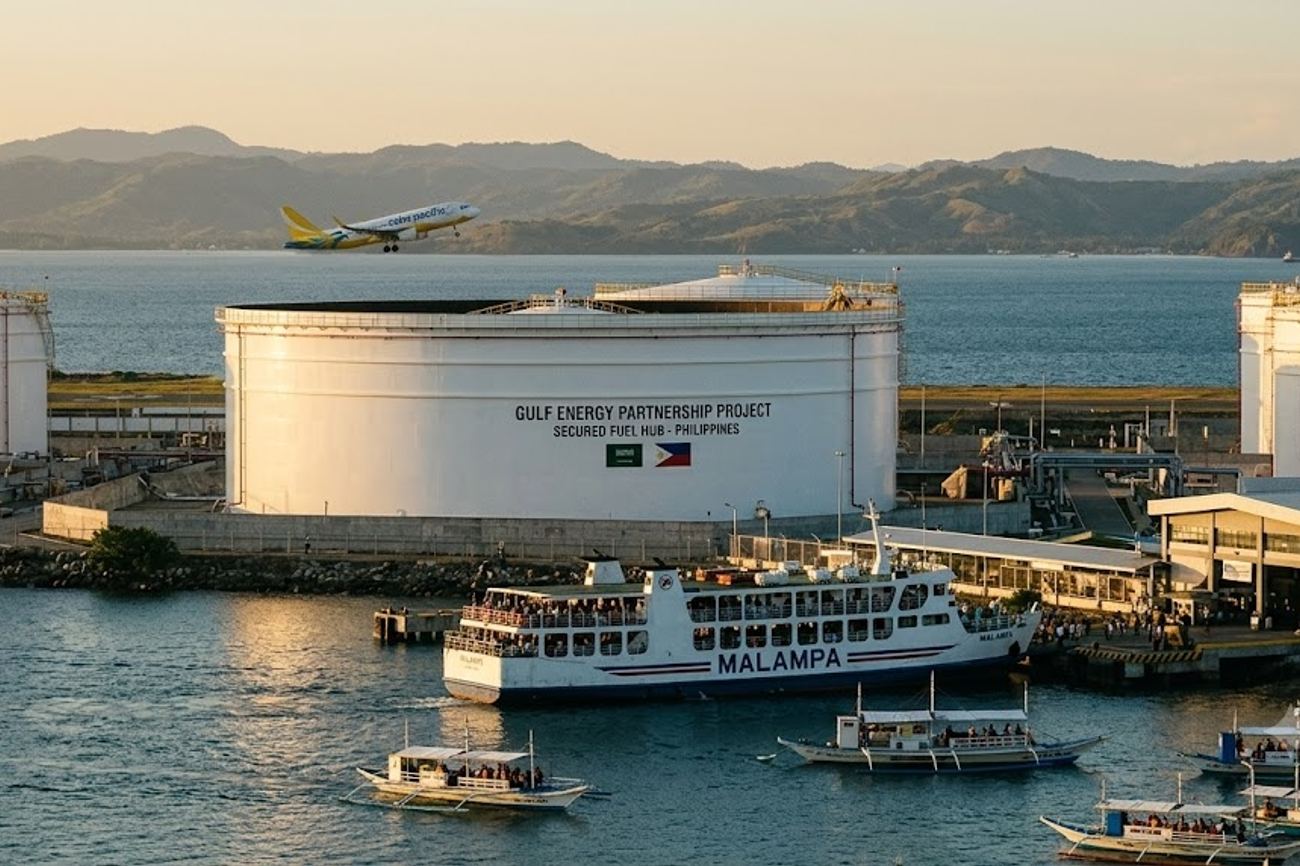
Image generated by AI
The Local Trend Revealed
The Philippines is pivoting toward a high-security energy model to protect its tourism economy from the volatility of global oil markets. In a significant geopolitical shift, the UAE and Saudi Arabia are partnering with Manila to establish strategic oil storage hubs. While Saudi Arabia is proposing to shoulder the costs of a massive facility targeting 50 million barrels, the UAE is offering to construct and own a facility while guaranteeing the Philippine government access to fuel during emergencies.
For a destination where the "last mile" of travel often involves a combination of international flights, domestic hops, and ferry transfers, fuel stability is not just an industrial concern—it is a tourism prerequisite. By positioning petroleum supplies closer to the local market, the Philippines aims to decouple its travel costs from immediate Middle East geopolitical tensions and shipping route disruptions.
Cultural & Environmental Value
For the visitor, the real impact of this energy security drive is the stabilization of the "island-hopping" experience. The Philippines' tourism model relies on a fragile chain of aviation and marine transport. When fuel prices spike, the cost of reaching remote gems like Siargao or Palawan skyrockets, often pricing out the sustainable, slow-travel demographic.
By securing a National Strategic Petroleum Reserve—with a government-backed facility expected to be operational by 2028—the Philippines is protecting the livelihoods of local boat operators and boutique resort owners who are most vulnerable to price swings. This move allows regional tourism boards to maintain consistent pricing for tour packages and ferry connectivity, ensuring that the economic benefits of tourism reach remote coastal communities rather than being absorbed by rising operational overheads.
Visitor Insider Tips
- Off-Peak Window: To avoid the crowds and the highest transport premiums, visit the Visayas and Mindanao regions between May and October. While this is the rainy season, fuel-dependent transport (ferries and flights) is often more available and cheaper.
- Sustainable Transit: While the country secures its oil future, travelers can support the local economy by opting for electric trikes (e-trikes) in hubs like Boracay, which is aggressively moving toward a car-free, eco-friendly transport model.
- Local Dining Tip: When visiting Palawan or Cebu, seek out "Carinderias" (local eateries) that source ingredients from the immediate village; this reduces the carbon footprint of your meal and supports farmers directly.
- Cultural Etiquette: When using ferries to reach remote islands, remember that these are lifelines for locals. Always yield priority to residents transporting goods and livestock.
Tourism Outlook
The long-term trajectory sees the Philippines evolving from a passive energy importer into a regional energy logistics center. By leveraging its strategic Southeast Asian location, the country aims to attract international oil companies to use the archipelago as a distribution point between the Gulf and Asia. For the travel sector, this means more reliable international flight networks and increased airline investment, as carriers gain confidence in the availability of jet fuel regardless of global volatility.
Related Travel Guides
Disclaimer
This article is for informational and educational purposes only. It does not constitute legal, financial, or professional advice. While we strive to provide accurate and up-to-date information, travel policies, regulations, and conditions change rapidly. Always verify information with official sources before making travel decisions. Nomad Lawyer makes no representations about the accuracy, reliability, completeness, or suitability of the information provided. Readers should consult qualified professionals for advice specific to their circumstances. The views expressed in this article are those of the author and do not necessarily reflect the views of Nomad Lawyer.
Naina Thakur
Contributor & Travel Specialist
Travel enthusiast and legal writer covering visa regulations, responsible tourism, and cultural journeys across global destinations.
Learn more about our team →