
Spain Records Historic 45.7°C September Heatwave as Tourism Patterns Shift
Spain hits record 45.7°C in September. Discover how extreme heat in Andalusia is reshaping travel plans, visitor safety, and European tourism trends.

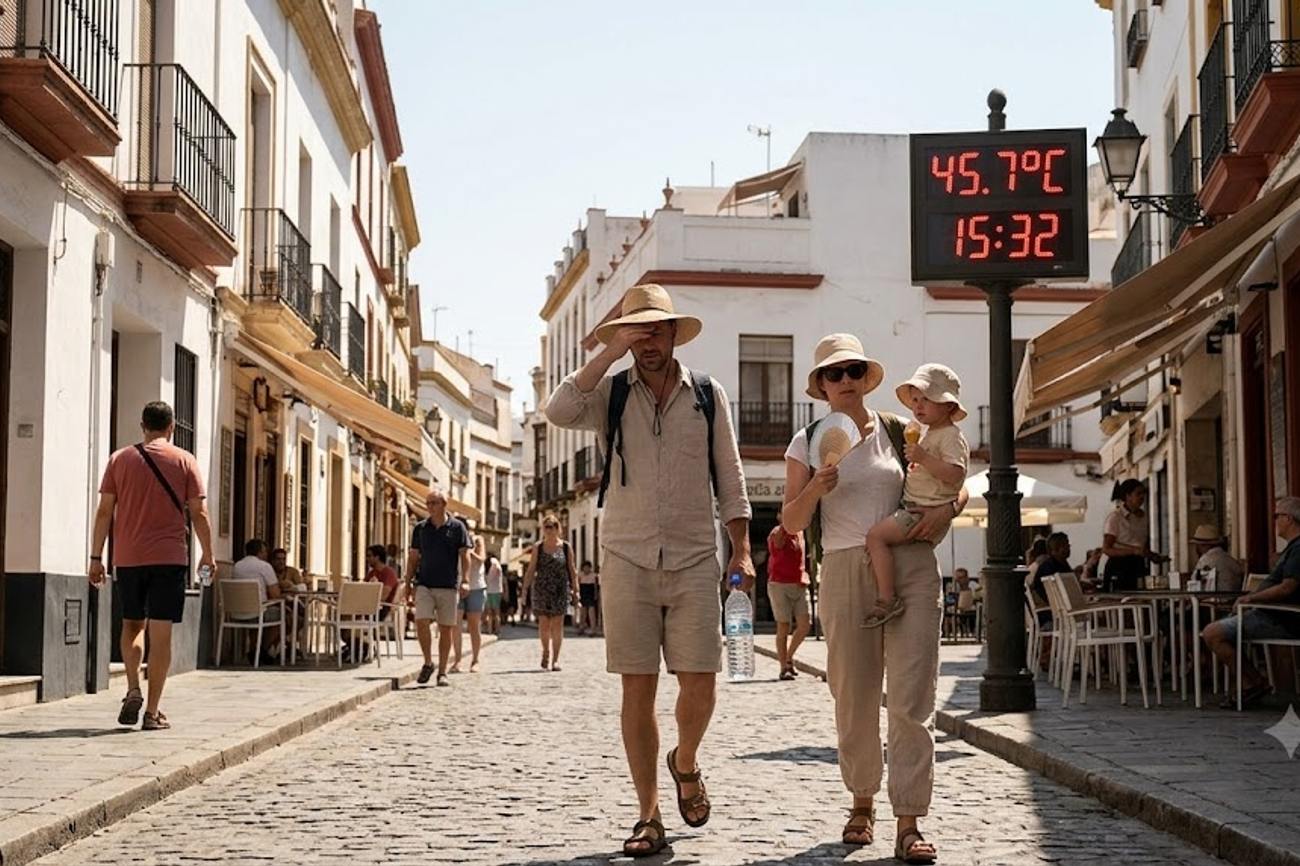
Image generated by AI
[Andalusia, September 5, 2026] — Spain is grappling with an unprecedented late-season climate anomaly as temperatures in El Granado soared to 45.7°C, marking the highest September heat ever registered in the country. This extreme weather event follows a broader trend of escalating warmth, with the State Meteorological Agency (AEMET) confirming that the period from January to August 2026 was the hottest eight-month stretch since official records began.
The intensity of this heatwave is fundamentally altering the traditional tourism calendar, forcing international visitors to reconsider the safety and viability of visiting southern Spain during what was once considered a "shoulder season" for comfortable sightseeing.
El Granado Hits Historic September Temperature Peak
The recorded 45.7°C in El Granado, located in the Andalusia region, represents a critical climate milestone. This figure matches the previous national September record established in Montoro in 2016, illustrating a pattern of extreme heat that is no longer confined to the peak of July and August.
Industry reports indicate that this was not an isolated spike. For an entire week, vast sections of western and southern Spain remained trapped under a heat dome, with temperatures consistently exceeding 40°C. This sustained warmth has effectively extended the summer season deep into September, a month traditionally prized by travelers for its cooling breezes and milder climate.
AEMET officials have warned that the acceleration of these warming trends is evident. The fact that the first eight months of 2026 were the warmest on record suggests that extreme heat is becoming a structural feature of the Spanish climate rather than a seasonal anomaly.
Geographic Shifts in Spanish Travel Demand
The extreme thermal stress is beginning to redistribute how tourists navigate the Iberian Peninsula. Southern hubs—specifically Seville, Córdoba, and Granada—are experiencing the brunt of the crisis. These cities, famed for their Moorish architecture and heritage walking tours, are becoming hazardous for pedestrians when temperatures approach 45°C.
As a result, a visible shift in traveler behavior is emerging:
- Temporal Adjustments: Visitors are increasingly abandoning midday excursions, opting instead for "split-day" itineraries that prioritize early morning and late evening activities to avoid heatstroke.
- Regional Migration: There is a growing trend of "cool-cationing," where travelers bypass the south in favor of northern regions. Galicia, Asturias, Cantabria, and the Basque Country are seeing increased interest due to their Atlantic influence and significantly milder autumn temperatures.
- Calendar Revisions: The traditional peak summer window is under pressure, with more tourists eyeing spring, winter, and late autumn as the primary windows for safe exploration.
European Tourism Under Thermal Pressure
Spain’s crisis is a microcosm of a wider Mediterranean struggle. Across Southern Europe, the tourism infrastructure is being tested by a combination of drought, wildfire risks, and lethal heatwaves.
Similar patterns have been observed in France, Portugal, Italy, and Greece. Specifically, the Algarve in Portugal, the historic centers of Italy, and the Greek islands are facing similar vulnerabilities. Because these economies rely heavily on outdoor dining, beach tourism, and open-air archaeological sites, extreme heat poses a direct threat to their primary revenue streams.
For Spain, the stakes are particularly high given the massive contribution of tourism to its national GDP. The increasing frequency of these events means that "weather resilience" is now a primary factor in holiday planning, ranking alongside flight costs and accommodation quality.
Escalating Safety Protocols for International Visitors
With temperatures reaching dangerous levels, Spanish authorities have intensified their monitoring and alert systems. AEMET’s official weather warnings are now essential reading for travelers, as these alerts can trigger the sudden closure of attractions or the rescheduling of outdoor events.
To mitigate health risks, the following precautions are being urged for those visiting during heat alerts:
- Strict Avoidance: Total avoidance of outdoor exertion during the peak afternoon window (typically 12:00 PM to 6:00 PM).
- Hydration and Protection: Continuous water intake and the use of high-SPF sunscreen and breathable, lightweight fabrics.
- Vulnerable Group Care: Enhanced monitoring for elderly travelers and young children, who are most susceptible to heat exhaustion.
- Site Verification: Checking the operational status of archaeological sites and hiking trails, which may be closed due to heat or wildfire risk.
Industry Adaptation and Economic Costs
The Spanish hospitality sector is facing rising operational overheads as it fights to keep guests cool. Hotels and resorts are reporting a surge in energy consumption due to the constant demand for high-capacity air conditioning and advanced cooling systems.
Beyond energy, the broader tourism ecosystem is adapting:
- Outdoor Operators: Hiking and cycling guides are being forced to rewrite their schedules, moving tours to pre-dawn hours to ensure client safety.
- Rural Tourism: Countryside lodges are facing heightened risks from wildfires, which often accompany these extreme heat events, leading to potential evacuations and itinerary disruptions.
- Infrastructure Investment: There is an industry-wide push toward climate-adaptive infrastructure, including the installation of misting systems in public plazas and the integration of more flexible booking policies that account for weather-related cancellations.
Why This Matters: The New Reality for Travelers
For the modern traveler, the 45.7°C record in El Granado is more than a statistic; it is a signal that the "safe" window for visiting Southern Europe is shrinking. From a logistical standpoint, this creates a new layer of complexity in trip planning. Travelers can no longer rely on historical weather averages to pack or schedule their visits.
The shift toward Northern Spain (the "Green Spain" regions) suggests a long-term redistribution of wealth within the tourism sector. While Andalusia may struggle with midday vacancies, the Basque Country and Galicia may see an infrastructure boom to accommodate the influx of "heat refugees." Ultimately, the experience of visiting Spain is transitioning from a predictable seasonal holiday to a dynamic exercise in risk management and climate adaptation.
Related Travel Guides
Disclaimer
This article is for informational and educational purposes only. It does not constitute legal, financial, or professional advice. While we strive to provide accurate and up-to-date information, travel policies, regulations, and conditions change rapidly. Always verify information with official sources before making travel decisions. Nomad Lawyer makes no representations about the accuracy, reliability, completeness, or suitability of the information provided. Readers should consult qualified professionals for advice specific to their circumstances. The views expressed in this article are those of the author and do not necessarily reflect the views of Nomad Lawyer.
Naina Thakur
Contributor & Travel Specialist
Travel enthusiast and legal writer covering visa regulations, responsible tourism, and cultural journeys across global destinations.
Learn more about our team →