
The Scenic Way: Why Ferry Travel is Redefining Caribbean Island Hopping
Skip the airport lines. Discover how ferry networks in Anguilla, Dominica, and the British Virgin Islands turn transit into a Caribbean slow-travel highlight.

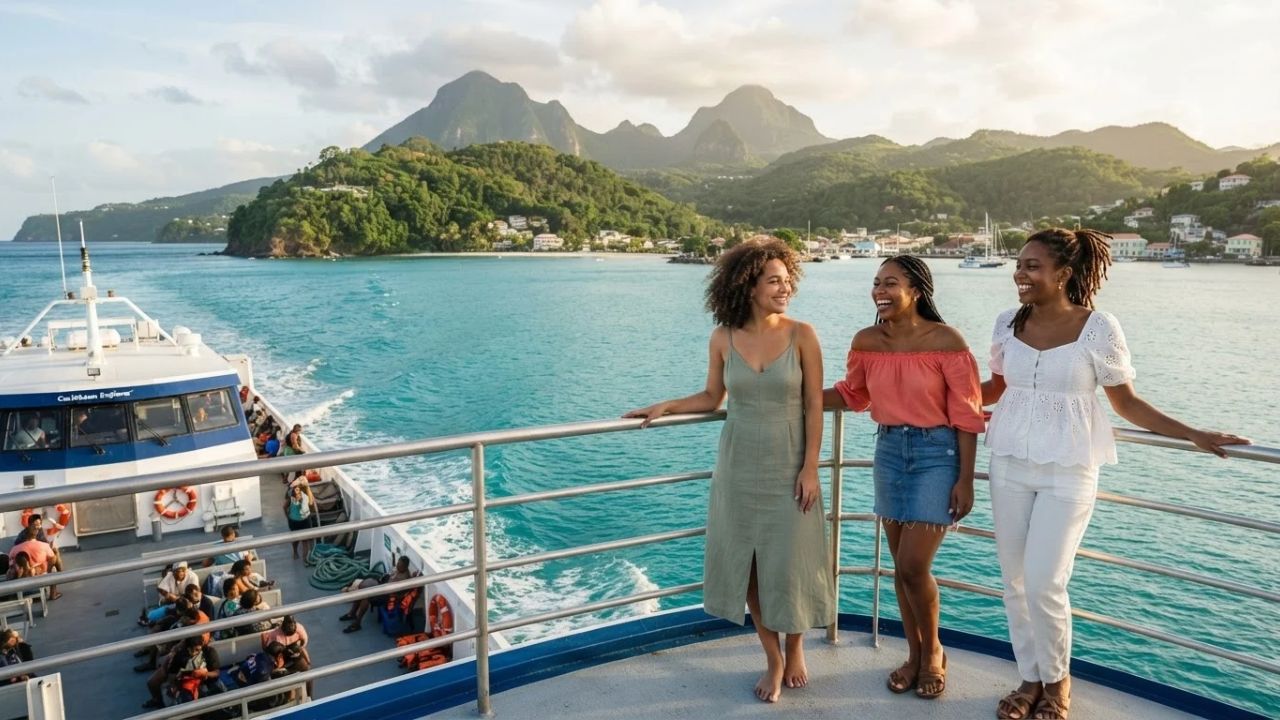
Image generated by AI
A growing number of travelers are skipping short regional flights in favor of Caribbean ferry networks, transforming transit into a scenic, slow-travel adventure. By connecting islands like Anguilla, Dominica, and Saint Lucia by sea, these maritime corridors support sustainable eco-tourism and keep tourism spending in local port communities.
The Rise of Sea-Level Island Hopping
Flying is the standard method for navigating between Caribbean islands, but it is rarely the most memorable. Across the region, a growing travel trend focuses on ferry networks that connect islands through open seas, busy harbors, and dramatic coastlines. Rather than looking down at the ocean from a pressurized aircraft cabin, travelers can watch an island's green peaks slowly rise above the horizon as they approach at sea level.
For those planning multi-destination Caribbean holidays, ferries offer a more connected travel experience. Moving between destinations by sea helps travelers understand the geographic relationships and distances between the islands. It also transforms transit from a series of airport procedures into a sightseeing journey, allowing visitors to experience the region's natural beauty throughout their entire trip.
The Anguilla to St Martin Ferry Crossing
One of the most accessible sea-level transfers in the Caribbean is the connection between Anguilla and St Martin. Many travelers land at Princess Juliana International Airport in Sint Maarten or Grand Case Airport in French Saint Martin before continuing to Anguilla by boat.
The public ferry operates daily between Marigot, on the French side of St Martin, and Blowing Point in Anguilla. The Anguilla Tourist Board lists multiple daily departures, making the crossing a convenient option for visitors wishing to combine both islands in a single itinerary. The journey takes passengers out of Marigot's harbor, across the open channel, and directly to Anguilla's southern coast. Arriving through Blowing Point's terminal provides a relaxed introduction to the island, away from the crowds of major airport arrival halls.
The Windward Corridor: Guadeloupe, Dominica, Martinique, and Saint Lucia
In the southern Caribbean, a regional ferry network connects several major islands, offering a sustainable alternative to regional flights. The ferry operator FRS Express des Îles runs an international route linking the islands of Guadeloupe, Dominica, Martinique, and Saint Lucia:
- Guadeloupe to Dominica: The direct ferry journey takes approximately 2 hours and 30 minutes. Since Dominica is known for its green mountains, rain forests, and active eco-tourism, arriving by sea aligns with the island's nature-first identity. The mountain peaks rise ahead as the boat approaches the port of Roseau.
- Martinique to Saint Lucia: This non-stop connection takes about 1 hour and 30 minutes. The ferry departs from Fort-de-France in Martinique and arrives in Castries, the capital of Saint Lucia. Arriving directly in Fort-de-France's urban harbor provides visitors with immediate access to the city's waterfront, restaurants, and public transit networks.
This Windward Corridor allows travelers to create multi-island itineraries that include different cultural settings, from the French Caribbean departments of Guadeloupe and Martinique to the English-speaking nations of Dominica and Saint Lucia.
Archipelago Exploration: Les Saintes and Marie-Galante
Within the Guadeloupe archipelago, ferry travel is the primary method for exploring smaller outlying islands. The islands of Les Saintes and Marie-Galante sit close enough to the main islands of Basse-Terre and Grande-Terre for regular day trips or multi-day excursions by boat.
Traveling by ferry to Les Saintes allows visitors to watch the red-roofed houses and green hills of Terre-de-Haut grow larger as the vessel approaches the harbor. The transition from the larger towns of Guadeloupe to the quiet, pedestrian-friendly streets of Les Saintes is a key draw for slow-travel enthusiasts. Marie-Galante offers a similar quiet experience, characterized by historic sugar mills, sandy beaches, and local rum distilleries that are easily accessible from the ferry port.
The British Virgin Islands Ferry Network
The British Virgin Islands (BVI) utilize ferry networks as the primary transportation corridor connecting the archipelago. According to the BVI Tourist Board, regular daily ferries link the main island of Tortola with outer islands like Virgin Gorda, Jost Van Dyke, and Anegada.
Daily scheduled services operate between West End on Tortola and Great Harbour on Jost Van Dyke, allowing visitors to hop between islands for dining, shopping, and beach excursions. Other scheduled routes connect Tortola with the dramatic granite formations of Virgin Gorda and the flat coral reef island of Anegada. In the BVIs, the ferry system functions as a public transit network, enabling travelers to explore multiple island environments without renting a vehicle or booking private charters.
Supporting Local Economies and Sustainable Marine Travel
Choosing ferry travel over regional flights has positive economic and environmental benefits. Ferries have a lower carbon footprint per passenger mile compared to short-haul turboprop flights, helping to protect the marine environment. Additionally, arriving through local ferry ports distributes tourism spending directly to coastal communities.
Travelers arriving at Blowing Point, Roseau, Castries, or Fort-de-France step off the boat directly into urban commercial zones. This spending supports independent taxi drivers, local restaurants, family-owned guesthouses, and market vendors. This community-centered tourism model ensures that travel revenue remains within the local economy, supporting heritage projects and regional conservation efforts.
For example, you can explore the changing dynamics of US Cities Drive Global Tourism Through BBQ, Jazz, Sports, and Authentic Heritage to see how regional pride is shaping travel. For budget-conscious travelers, aligning slow city travel with municipal transit options mirrors similar regional initiatives, such as the Free Admission at Select US State Parks programs. This trend is similar to the tourism growth seen in other destinations, as detailed in our guide on how Utica, New York Emerges as an Affordable Northeast Tourism Hub.
Visitor Insider Tips: Navigating Caribbean Ferry Travel
To ensure a smooth and enjoyable sea-level island-hopping experience, keep these practical tips in mind:
- Customs and Immigration: International ferry routes (such as St Martin to Anguilla, or Martinique to Saint Lucia) require clearing customs and passport control at both the departure and arrival ports. Arrive at the terminal at least one hour before departure to complete check-in procedures.
- Booking in Advance: During peak winter travel seasons, ferry capacity can fill quickly. Book your tickets online in advance through official operator sites to secure your preferred departure time.
- Schedule Flexibility: Maritime travel is dependent on sea conditions. Schedules can change due to high winds, rough water, or operational changes. Keep your travel itineraries flexible, and avoid booking tight flight connections on the same day as a ferry trip.
- Prepare for Sea Sickness: Open-water channels, such as the crossing between Guadeloupe and Dominica, can experience rough swells. If you are prone to motion sickness, take preventative measures before boarding and select a seat on the lower deck near the center of the vessel.
- Port Fees and Taxes: Many Caribbean ferry terminals charge departure taxes or environmental fees that may not be included in your ticket price. Carry cash in local currency (East Caribbean Dollars or Euros) or US Dollars to cover these fees.
Outlook: Regional Integration and Maritime Connectivity
The long-term outlook for Caribbean ferry networks is tied to improved regional integration and port infrastructure upgrades. As island destinations work together to promote multi-island tourism, expanding ferry schedules and simplifying customs procedures will remain key priorities.
Destinations that invest in modern ferry terminals, sustainable marine transport options, and joint marketing campaigns will continue to attract the growing market of conscious, slow-travel enthusiasts. By presenting the journey as a central part of the holiday, these islands are defining a sustainable future for Caribbean travel.
FAQ
Which ferry connects St Martin and Anguilla?
A public ferry operates daily between Marigot on the French side of St Martin and Blowing Point in Anguilla, offering a convenient connection between the two islands.
How long is the ferry from Martinique to Saint Lucia?
The non-stop ferry connection operated by FRS Express des Îles takes approximately 1 hour and 30 minutes, departing from Fort-de-France and arriving in Castries.
What are the main islands connected by the BVI ferry system?
The British Virgin Islands ferry network regularly connects the main island of Tortola with Jost Van Dyke, Virgin Gorda, and Anegada.
Do you need a passport to take international Caribbean ferries?
Yes. International routes between different island territories (such as crossing between French departments and independent nations) require a valid passport and clearing immigration at both ports.
Discover the scenic routes and slow-travel trends shaping Caribbean tourism.
Related Travel Guides
- Lukla Flight 2026: Why Every Everest Base Camp Trekker is Now Driving 7 Hours to Catch a 20-Minute Flight
- Middle East Aviation Network Collapses 23% as Iran Tensions Shatter Dubai, Doha, Abu Dhabi Hub Efficiency in 2026
- Beach Latin Fest 2026: Dani J Headlines 11th Edition in Huatulco, Mexico August 27-29
Disclaimer
This article is for informational and educational purposes only. It does not constitute legal, financial, or professional advice. While we strive to provide accurate and up-to-date information, travel policies, regulations, and conditions change rapidly. Always verify information with official sources before making travel decisions. Nomad Lawyer makes no representations about the accuracy, reliability, completeness, or suitability of the information provided. Readers should consult qualified professionals for advice specific to their circumstances. The views expressed in this article are those of the author and do not necessarily reflect the views of Nomad Lawyer.
Raushan Kumar
Founder & Lead Developer
Full-stack developer with 11+ years of experience and a passionate traveller. Raushan built Nomad Lawyer from the ground up with a vision to create the best travel and law experience on the web.
Learn more about our team →