
Lukla Flight 2026: Why Every Everest Base Camp Trekker is Now Driving 7 Hours to Catch a 20-Minute Flight
Peak-season Lukla flights now leave from Ramechhap, not Kathmandu. Learn the long drive, the delays, and how to keep your Everest Base Camp trek on track.

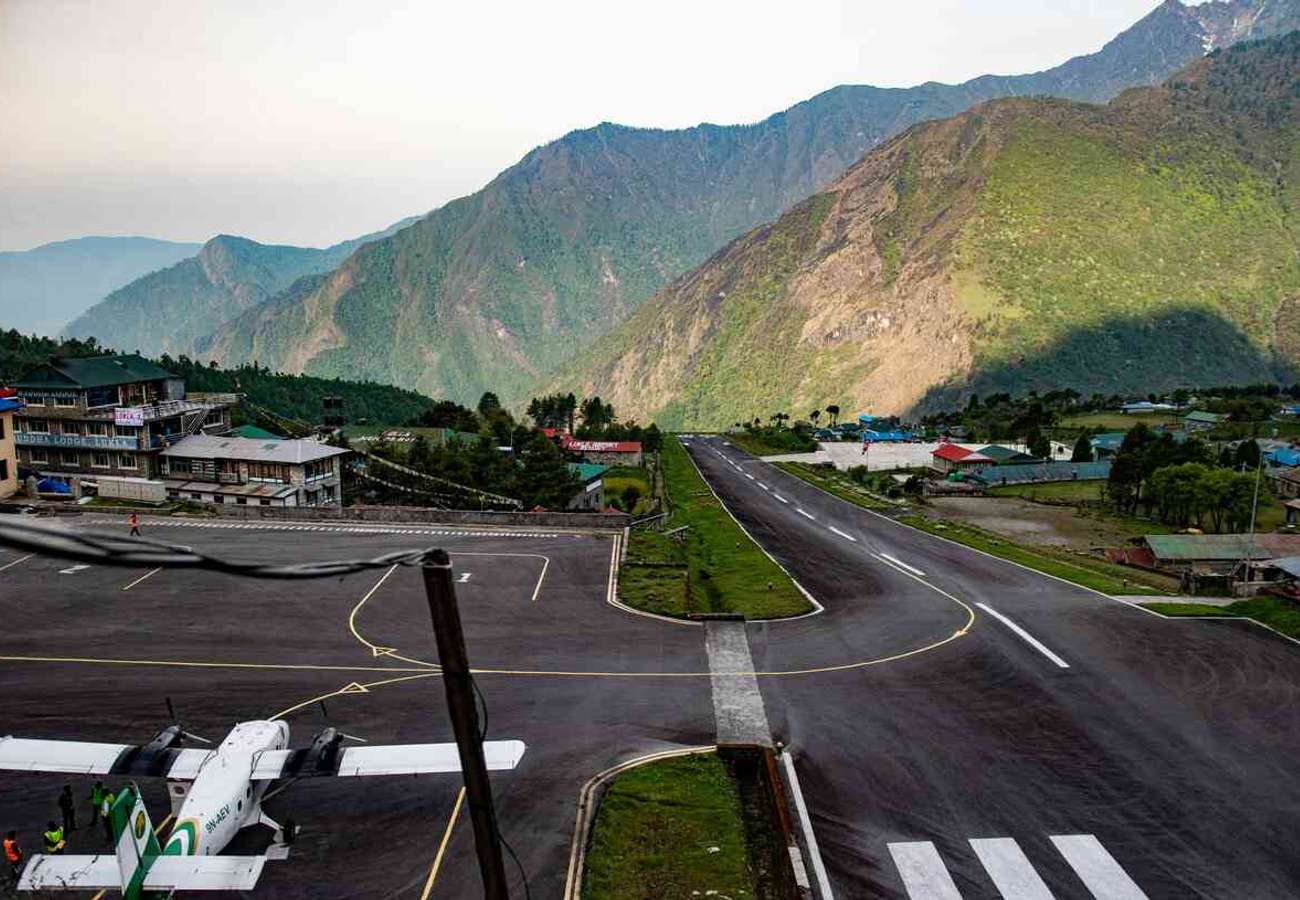
Image generated by AI
You booked a flight from Kathmandu to Lukla. You pictured a quick 30-minute hop, a cup of coffee, and your boots on the trail by lunch. Then your trekking company sends a message that stops you short: be ready at 1 AM, because you are driving to a different airport first.
Welcome to the new reality of the Everest Base Camp trek in 2026. For most of the year's busy months, flights no longer leave from Kathmandu at all. They leave from Manthali Airport in Ramechhap, and reaching it means a long drive through the dark before you ever see a plane.
This catches thousands of trekkers off guard every season. Nobody warns them about the pre-dawn start, the winding road, or the buffer days that can save their whole trip. They find out the hard way, often after losing a day to a cancelled flight.
This article clears up the confusion. Here is exactly what is happening with Lukla flights right now, why the change was made, and how to plan around it so your trek starts smoothly.
What is Actually Happening With Lukla Flights in 2026?
During Nepal's busy trekking months, flights to Lukla no longer take off from Kathmandu. They leave from Manthali Airport in Ramechhap, a small airstrip a few hours east of the city. If you are flying in 2026, that drive is now part of the deal.
This is not a new rule. The change first appeared back in 2019, when the Civil Aviation Authority of Nepal (CAAN) began shifting peak-season Lukla flights away from Kathmandu's crowded airport. It has returned almost every peak season since, and it is firmly in place again for 2026.
The switch does not run all year. It kicks in during the two seasons when trekkers pour into the Everest region:
- Spring: March, April, and May
- Autumn: September, October, and November
These are the most popular times to trek to Everest Base Camp, so demand for Lukla flights is at its highest. That is exactly when the move to Ramechhap happens.
Outside these months, things are simpler. In the quieter winter and monsoon periods, flights usually run straight from Kathmandu to Lukla, the way they always did. No long drive, no 1 AM start.
One thing to keep in mind: the exact dates are not fixed. CAAN decides based on how busy the season is getting, and trekking companies often get only a few days' notice. So if you are flying in spring or autumn, plan for the Ramechhap route and treat a direct Kathmandu flight as a lucky bonus.
Why the 7-Hour Drive Before You Even Board?
Reaching Manthali Airport means a long road journey from Kathmandu. The distance is only about 130 to 145 kilometres (80 to 90 miles), but the route winds through hills on the Araniko and BP highways, so it is slow going.
For years, the drive took four to five hours. That changed after the floods of September 2024, which damaged sections of the road. Repairs and new night-time restrictions on the BP Highway have stretched the journey to as long as six or seven hours during difficult stretches.
Because Lukla flights leave early in the morning, you cannot drive in daylight. Most trekkers depart Kathmandu between 1 and 2 AM to reach Manthali by sunrise. The roads are dark and twisting, and the early hour means little sleep before a big day.
The drive itself is not dangerous when handled by an experienced driver, but it is tiring. If a very early start does not suit you, one option is to travel the day before and stay overnight in Manthali, where the lodging is simple.
Why did Nepal Move the Flights in the First Place?
The change was not made to inconvenience trekkers. It solves a real problem at Kathmandu's airport.
Tribhuvan International Airport has only one runway, and it handles everything: international jets, domestic flights, and the small planes bound for Lukla. During peak season, thousands of trekkers arrive at once to reach popular routes like the Everest Base Camp trek and the Gokyo Lake trek. The result is heavy congestion. Lukla planes end up waiting on the ground for hours, and the short morning weather window in the mountains slips away.
Moving these flights to Manthali Airport in Ramechhap fixes several things at once:
- Less traffic: Ramechhap handles only the small Lukla planes, so there are no international jets competing for the runway.
- A shorter flight: The hop from Ramechhap to Lukla takes just 15 to 20 minutes, compared with 30 to 35 minutes from Kathmandu.
- More flights before the clouds roll in: Because each flight is quicker, airlines can run far more trips during the clear morning hours.
In short, the drive is longer, but once you reach Manthali your chances of actually flying that day are better. That trade-off is the whole point of the change.
The Real Risk: Cancellations and the 500-Trekker Backlog
Even after the long drive, there is no guarantee you will fly. Lukla flights run under visual flight rules, which means a pilot must clearly see the runway to land. When fog, cloud, or strong wind moves in, every plane stays on the ground until the sky clears.
It helps to understand why pilots are so careful. Lukla's Tenzing-Hillary Airport sits at 2,846 metres (9,337 feet), and its runway is barely 20 metres wide. Accidents in Lukla airport since 1964 have claimed around 56 lives, so with margins this thin, no one gambles on poor visibility.
The problem grows in peak season. Spring and autumn bring the most flights, but also the most cancellations, because demand far outstrips the available seats. Roughly 600 to 700 trekkers pass through Lukla each day in these months. So when one foggy morning grounds the planes, it can leave more than 500 people stranded, all waiting for the same limited seats once the weather clears.
How Smart Trekkers Beat the Chaos?
The delays sound alarming, but seasoned trekkers rarely let them ruin a trip. The trick is to plan for problems before they happen, not react once you are stuck.
Build in buffer days
This is the single most important step. Add at least two spare days to your plan, ideally one near the start and one at the end. If a flight is cancelled, these days absorb the delay so the rest of your trek stays on track.
Never book your flight home on the same day you fly out of Lukla
If your mountain flight is grounded, you could miss an expensive international ticket. Leave a gap of two or three days in Kathmandu as a safety net.
Pack light and pack smart
The baggage limit is usually 15 kilograms (33 pounds) in total, so weigh your bag before you travel. Keep your cash, passport, permits, phone, and any medicine in a small daypack you carry yourself. That way, if your main bag is delayed, the essentials are always with you.
The Helicopter Escape (and What It Costs)
When flights are grounded for days, or when you simply cannot spare the time, a helicopter is the reliable way out. Choppers can fly in conditions that keep small planes parked, and they skip the Ramechhap drive by going straight from Kathmandu to Lukla.
The catch is the price. A shared seat, where you join other trekkers, usually costs around 550-650 US dollars or more per person. Booking the whole helicopter to yourself runs roughly 2800 - 3000 US dollars, split between up to five passengers.
Many trekkers keep the helicopter as a backup rather than a first choice. They fly the normal route in, then switch to a chopper only if a cancelled flight threatens their trek or their journey home.
If your budget allows it, having this option in your back pocket can turn a stressful, days-long delay into a quick and scenic ride over the mountains.
Conclusion: Plan for the Chaos, Not Around It
The shift to Ramechhap can sound like a headache, but it does not have to derail your trip. The long drive, the 1 AM start, and the risk of a cancelled flight are all manageable once you know they are coming. The trekkers who struggle are simply the ones who were never told.
So treat the Lukla flight as the unpredictable part of the journey, and plan for it. Build in buffer days, keep your home flight well clear, and know that a helicopter is there if you need it. Do that, and a few hours on a dark mountain road become nothing more than the opening chapter of your Everest Base Camp trek.
Key Takeaways
- Peak-Season Shift: Since 2019, Nepal's aviation authority has moved Lukla flights from Kathmandu to Manthali Airport in Ramechhap during peak spring and autumn seasons, and this continues in 2026.
- The 7-Hour Drive: Reaching Manthali now means a four to seven hour road journey, stretched by the 2024 floods, with most trekkers leaving Kathmandu around 1 to 2 AM.
- Why It Happened: Kathmandu's single runway jams up in peak season, so flights moved to quieter Ramechhap, where the shorter hop to Lukla allows more trips before the weather closes in.
- Cancellation Risk: Lukla's narrow, high-altitude runway demands clear visibility, so one foggy morning can ground every plane and leave more than 500 trekkers waiting for seats.
- How to Stay on Track: Build in at least two buffer days, never fly home the same day you leave Lukla, pack within the 15 kg limit, and keep a helicopter as backup.
Related Travel Guides
Disclaimer
This article is for informational and educational purposes only. It does not constitute legal, financial, or professional advice. While we strive to provide accurate and up-to-date information, travel policies, regulations, and conditions change rapidly. Always verify information with official sources before making travel decisions. Nomad Lawyer makes no representations about the accuracy, reliability, completeness, or suitability of the information provided. Readers should consult qualified professionals for advice specific to their circumstances. The views expressed in this article are those of the author and do not necessarily reflect the views of Nomad Lawyer.
Preeti Gunjan
Contributor & Community Manager
A passionate traveller and community builder. Preeti helps grow the Nomad Lawyer community, fostering engagement and bringing the reader experience to life.
Learn more about our team →