
Cape Town Soars To Unprecedented Heights As Record Aviation Movements Trigger A Global Travel Revival, Find Out Now
Cape Town Soars To Unprecedented Heights As Record Aviation Movements Trigger A Global Travel Revival, Find Out Now

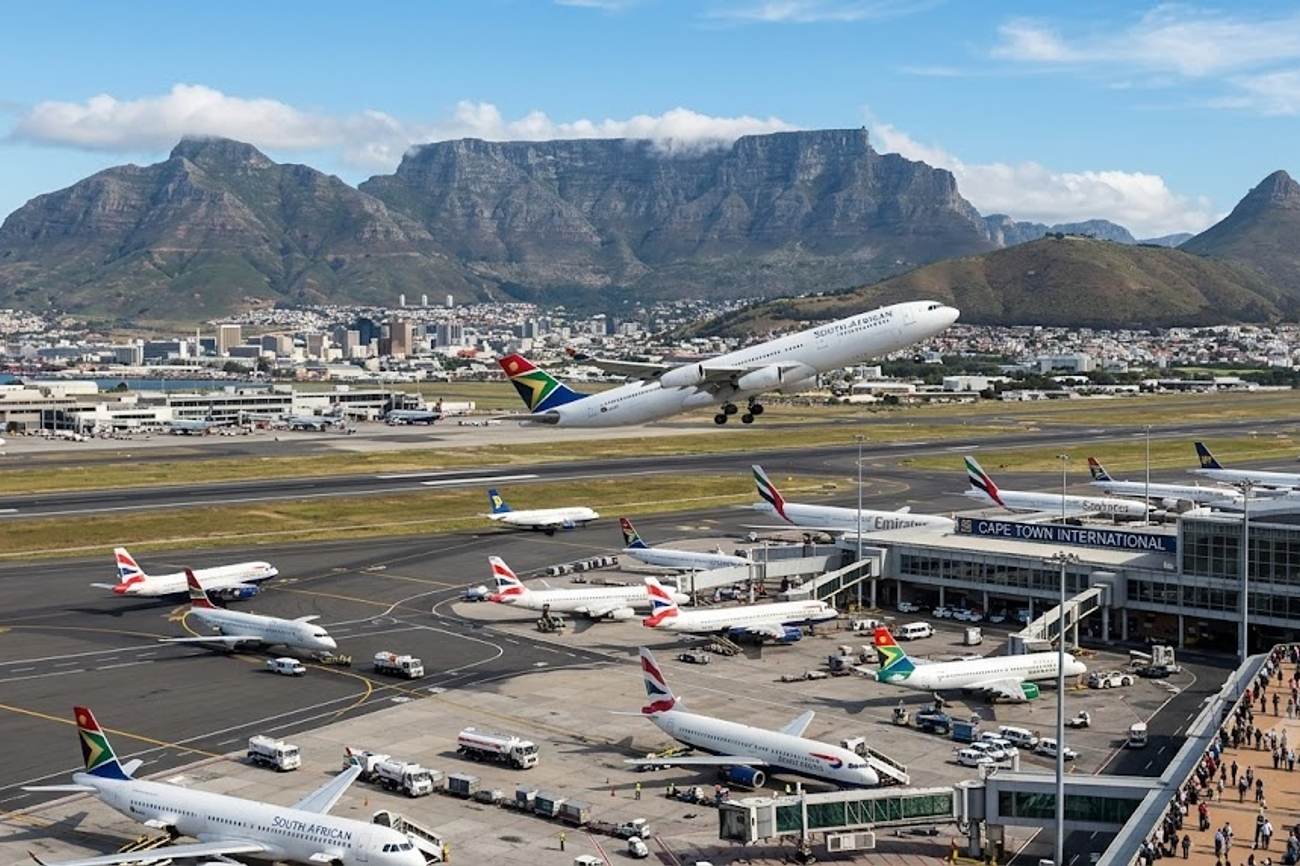
Image generated by AI
title: Cape Town's Aviation Boom and the New Era of Western Cape Travel date: 2026-09-15 tags: [Cape Town Travel 2026, Western Cape Tourism, South Africa Aviation, Cape Town International Airport]
While most global cities struggle with seasonal dips, Cape Town has effectively erased its "off-season," with August 2026 alone seeing international passenger transactions exceed 3.15 million movements across national borders. This shift transforms the city from a summer-only retreat into a year-round global powerhouse, driven by a strategic overhaul of air connectivity and a surge in diverse international arrivals.
The Aviation Surge Redefining the Mother City
Cape Town is currently experiencing a travel revival that transcends simple recovery; it is operating at a scale that has caught many industry analysts by surprise. The city has leveraged its position as the primary gateway to the Western Cape to absorb a massive portion of South Africa's international influx. To put this in perspective, the nation welcomed 5,584,473 international tourists during the first half of 2026, representing a 12.3% year-on-year increase.
The operational pressure on Cape Town International Airport has been immense but profitable. Managed by Airports Company South Africa, the facility has seen its international passenger movements climb to between 100% and 104% of its historical peak capacities. This surge is reflected in the finances, with the corporate regional division generating R2.26 billion in revenue, an 11.3% increase over the previous year. During peak windows, the airport handles over 364,000 high-yield international travellers per month, forcing authorities to implement strategic capital expenditure to prevent bottlenecks at passport control and baggage handling.
The catalyst for this growth is the Cape Town Air Access project. This initiative has expanded the city's reach to 31 global destinations. The most significant recent shift occurred in July 2026 with the launch of LATAM Airlines' nonstop service between São Paulo and Cape Town. Operating three flights per week, this route triggered an immediate 40.6% spike in arrivals from Brazil, bridging the gap between South America and the Western Cape. This complements the heavy lifting done by carriers like Delta Air Lines, United Airlines, Emirates, and Qatar Airways, which continue to maintain high-frequency links to the city.
What Makes Cape Town Different
Cape Town possesses a geographic and cultural duality that few cities can match. It is one of the few places where a high-density corporate hub exists in immediate proximity to raw, prehistoric nature. The city's ability to attract over 40,500 monthly visitors from the United States during June and July—the depths of the Southern Hemisphere winter—proves that its appeal is no longer tied solely to beach weather.
The experience here is defined by the contrast between the Atlantic Seaboard's luxury and the ruggedness of the Cape Peninsula. Whether it is the ritual of watching the sunset from Signal Hill or the adrenaline of night flights over the bay, the city offers a sensory intensity that justifies the long-haul journey. Furthermore, the city is seeing a sophisticated shift in its visitor profile. While the UK and Germany remain staples, there is a burgeoning trend of intra-continental travel. African continental travel grew 14.3% nationwide, but Cape Town specifically saw a 17% increase in regional visitors from Nigeria, Kenya, and other Southern African Development Community nations. This diversification means the city's social rhythm is now influenced by a broader array of global cultures, making it a more cosmopolitan hub than it was a decade ago.
Visitor Insider Tips
To navigate Cape Town like a local and avoid the frictions of its current popularity, timing and location are everything.
Timing and Crowds Because the city is now a year-round destination, the traditional "quiet" months are less so. To avoid the heaviest crowds at Table Mountain or the V&A Waterfront, aim for weekday mornings between 7:00 AM and 9:00 AM. If you are visiting during the winter months (June to August), pack layers; the weather is volatile, and the "Cape Doctor" wind can drop temperatures rapidly.
Neighborhood Basing Avoid staying exclusively in the tourist bubbles. While the Atlantic Seaboard is iconic, consider basing yourself in Gardens or Vredehoek for a more authentic residential feel with easier access to the city bowl. For those seeking a creative pulse, the fringes of Woodstock offer an industrial-chic vibe with some of the city's best independent galleries.
Local Etiquette and Transport While ride-sharing apps are prevalent and safe, the most efficient way to see the coast is via a rented vehicle, provided you are comfortable with left-hand driving. When visiting local markets or boutiques, tipping is appreciated but not mandatory; however, a small gesture for your Uber driver or tour guide goes a long way in this hospitality-driven economy.
Regional Specialties Beyond the standard fare, seek out authentic Cape Malay cuisine in the Bo-Kaap neighborhood. Try a traditional bobotie or samosas from a home-based kitchen rather than a commercial restaurant to experience the true flavors of the city's heritage. For a modern twist, explore the vineyards of Constantia or Stellenbosch, which are easily accessible via the Western Cape Tourism portals.
Cultural and Environmental Context
The explosion of tourism is a double-edged sword for the Western Cape. On one hand, the economic injection is staggering. Foreign tourist expenditure generates over R25.9 billion annually, which constitutes 25.4% of all foreign direct travel spend in South Africa. This capital is vital for municipal infrastructure and the survival of boutique hotels and guided excursion operators. Nationally, the industry supports over 954,000 direct jobs and contributes 4.9% to the GDP.
However, this volume of visitors puts significant pressure on the city's natural assets. The preservation of the Cape Floral Kingdom—a UNESCO World Heritage site—requires a delicate balance between accessibility and conservation. The increase in aviation movements also brings environmental scrutiny regarding carbon footprints and noise pollution around the airport corridor. Local communities are increasingly focused on ensuring that the wealth generated by the "global travel revival" filters down to the townships and rural agricultural zones, rather than remaining trapped in the luxury hotels of the Atlantic Seaboard.
FAQ: Visiting Cape Town 2026
What is the best time to visit? While summer (December to February) is peak for beaches, the city is now a year-round destination. Winter (June to August) is ideal for those avoiding crowds and enjoying the lush, green landscapes of the mountains.
Do I need a visa? Visa requirements depend on your nationality. US, UK, and EU citizens typically enjoy visa-free entry for short stays, but always check the official South African government portal or your local embassy before booking.
How do I get there from North America? With expanded connectivity, you can fly via major hubs like New York or Atlanta via Delta and United, or take connecting flights through Europe or the Middle East via Emirates or Qatar Airways.
Is it safe for solo travelers? Yes, provided you exercise standard urban caution. Use registered ride-sharing services, avoid walking alone in secluded areas at night, and stay in well-reviewed neighborhoods like Gardens or the City Bowl.
Cape Town is no longer just a stop on a safari circuit; it is the destination itself.
Related Travel Guides
- Japan’s Fukuroda Falls Travel Appeal Soars As Nature Unleashes A Powerful Rain-Fuelled Waterfall Wonder
- Spain Leads a Wider European Shift as Galicia and Brittany Gain From Climate-Driven Relocation
- How Did This Million Euro Abbey Investment Rewrite The Future Of Luxury Travel In Umbria, Find Out Now
Disclaimer
This article is for informational and educational purposes only. It does not constitute legal, financial, or professional advice. While we strive to provide accurate and up-to-date information, travel policies, regulations, and conditions change rapidly. Always verify information with official sources before making travel decisions. Nomad Lawyer makes no representations about the accuracy, reliability, completeness, or suitability of the information provided. Readers should consult qualified professionals for advice specific to their circumstances. The views expressed in this article are those of the author and do not necessarily reflect the views of Nomad Lawyer.
Kunal K Choudhary
Co-Founder & Contributor
A passionate traveller and tech enthusiast. Kunal contributes to the vision and growth of Nomad Lawyer, bringing fresh perspectives and driving the community forward.
Learn more about our team →