
Japan’s Fukuroda Falls Travel Appeal Soars As Nature Unleashes A Powerful Rain-Fuelled Waterfall Wonder
Japan’s Fukuroda Falls Travel Appeal Soars As Nature Unleashes A Powerful Rain-Fuelled Waterfall Wonder

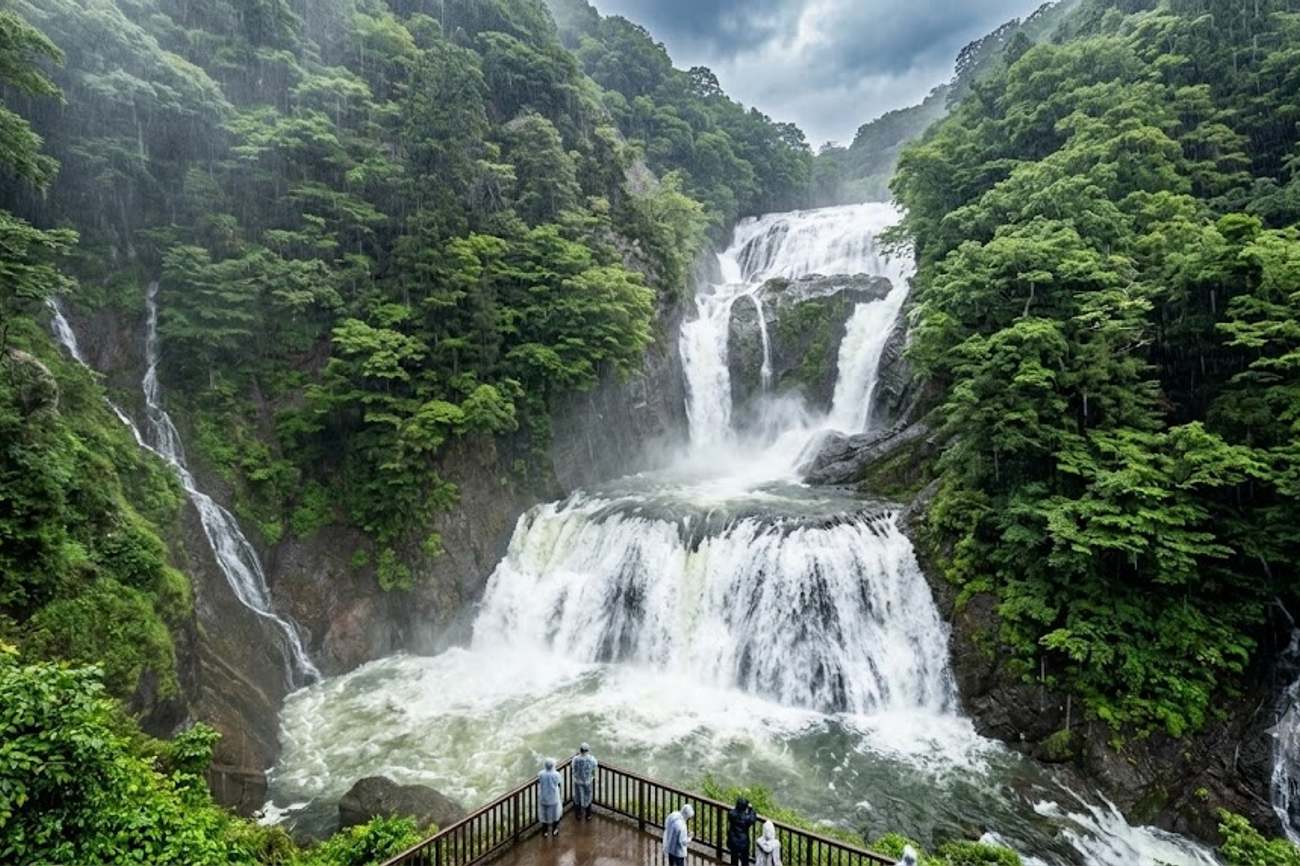
Image generated by AI
Regional tourism shifts in Japan are increasingly tied to volatile weather patterns, with Ibaraki Prefecture seeing a surge in nature-based arrivals while traditional hubs like Hakone report a pivot toward indoor infrastructure. This shift reflects a broader trend in Japanese domestic travel where "event-driven" natural phenomena—such as the rain-fueled transformation of Fukuroda Falls—now outweigh static seasonal attractions in driving short-term visitor spikes.
The Ibaraki Surge in Numbers: Fukuroda Falls
The current surge in interest at Fukuroda Falls in Daigo, Ibaraki Prefecture, is a direct result of anomalous precipitation levels that have fundamentally altered the site's hydraulic profile. Under standard operating conditions, the waterfall is characterized by a four-tiered structure where water descends in distinct, separated streams, leaving significant portions of the rocky cliff face exposed. However, recent torrential rainfall has transitioned the site from a scenic vista into a high-volume natural phenomenon.
The data indicates a total transformation of the visitor experience. The increase in water volume has effectively merged the previously separated streams into a singular, powerful torrent that covers the majority of the cliff surface. This physical change is accompanied by a significant increase in acoustic output—described as a thunderous sound—and a higher concentration of airborne mist and spray at the viewing platforms. This shift from a "visual" attraction to a "multi-sensory" experience has triggered a spike in regional travel, particularly among nature enthusiasts and digital content creators who are sharing the rare spectacle online.
This movement is not isolated to a single site but represents a shift in how travelers interact with the World Tourism Organization guidelines on sustainable nature tourism, where the "rarity" of an event becomes the primary driver for destination selection. The sense of urgency—knowing that this volume of water is a temporary state—has accelerated booking decisions for the Daigo area, providing a sudden economic stimulus to local businesses in Ibaraki Prefecture.
Comparative Regional Impact: Ibaraki vs. Kanagawa
While Ibaraki has benefited from the rain-induced spectacle, other high-traffic regions like Hakone in Kanagawa Prefecture have seen a redistribution of visitor movement. The data shows a clear divergence in how different destination types react to heavy precipitation. In Hakone, where the primary draw is outdoor sightseeing and open-air vistas, the rainfall led to a decline in outdoor activity and a corresponding increase in the utilization of indoor cultural assets.
The following table illustrates the divergent impact of the current weather patterns on these two key Japanese tourism zones:
| Metric | Fukuroda Falls (Ibaraki) | Hakone (Kanagawa) |
|---|---|---|
| Primary Driver | Rare Natural Phenomenon | Weather Mitigation |
| Visitor Movement | Influx to outdoor viewing points | Shift from outdoors to museums/indoor sites |
| Experience Type | High-energy, sensory (sound/mist) | Low-energy, cultural/protected |
| Economic Impact | Sudden spike in regional nature tourism | Redistribution of spend to indoor facilities |
| Traveler Motivation | "Rarity" and "Urgency" | Comfort and "Alternative Exploration" |
This contrast highlights a critical market movement: the "Weather-Resilient Destination" model. According to data trends often tracked by STR, destinations that offer a hybrid of high-impact outdoor events and robust indoor alternatives maintain more stable occupancy rates during volatile weather cycles. Hakone’s ability to pivot visitors toward museums prevented a total collapse in foot traffic, whereas Ibaraki experienced a growth spike because the weather itself became the product.
What This Means for Travelers
For the individual traveler, these patterns indicate that the traditional "seasonal" calendar for Japan (cherry blossoms in spring, autumn leaves in fall) is being supplemented by "event-based" travel. The current situation at Fukuroda Falls proves that extreme weather, which was previously viewed as a deterrent, can now be a primary reason to visit a destination.
If you are planning a trip to the Kanto region or Ibaraki Prefecture, the following data-backed advice applies:
- Monitor Real-Time Volume: For nature-based sites like Fukuroda Falls, the value of the visit is currently tied to water volume. Check local meteorological reports 48-72 hours before departure. A period of heavy rain is no longer a reason to cancel but a reason to prioritize the visit.
- Diversify Itineraries in Kanagawa: When visiting hubs like Hakone, ensure your itinerary includes a 50/50 split between outdoor vistas and indoor museums. This prevents the "weather-trap" where a single rainy day ruins a trip, allowing you to follow the current trend of "indoor pivoting" seen in recent visitor data.
- Leverage Digital Signals: The surge in Ibaraki was driven by viral images and videos. For those seeking "rare" natural spectacles, monitoring social sentiment and real-time uploads from the Daigo area is more effective than relying on static travel guides.
Forward Projection: The Rise of Volatility Tourism
The trajectory of Japanese tourism is moving toward a model of "Volatility Tourism," where travelers actively seek out the effects of extreme weather events. The success of Fukuroda Falls during this rainy period suggests that the market is becoming more receptive to the "power of nature" as a luxury experience.
We can expect to see a rise in "Dynamic Destination Marketing," where local tourism boards in prefectures like Ibaraki use real-time data—such as water flow meters or rainfall totals—to trigger marketing campaigns. Instead of promoting a site as "beautiful year-round," the narrative will shift to "experience the rare power of the falls this week."
Furthermore, the International Air Transport Association (IATA) often notes how regional infrastructure must adapt to shifting passenger flows. As travelers move away from traditional hubs like Hakone toward emerging nature spots in Ibaraki, we may see a shift in regional transport priorities, including more frequent shuttle services to Daigo during peak weather events. The long-term trend is a move away from predictable, curated tourism toward spontaneous, data-driven exploration of natural anomalies.
FAQ: Japan Nature Tourism 2026
Will travel costs to Ibaraki increase due to the waterfall's popularity? Short-term spikes in demand for local accommodation in Daigo are likely. However, because this is a weather-dependent event, prices are expected to fluctuate rapidly rather than sustain a permanent increase. Booking flexible options is advised.
Is it safe to visit Fukuroda Falls during heavy rainfall? While the increased flow is the primary attraction, visitors should follow all local authority guidelines regarding tunnel access and viewing platform safety. The "thunderous" nature of the falls indicates high energy and potential for slippery conditions.
Which destinations are best for rainy-day alternatives in Japan? Hakone remains a top choice due to its high density of indoor museums and galleries. Travelers seeking weather-proof experiences should prioritize destinations with a high ratio of indoor cultural infrastructure to outdoor sightseeing.
How long will the "powerful" state of Fukuroda Falls last? This is a temporary phenomenon tied to continuous rainfall. Once precipitation levels return to the seasonal average, the waterfall will revert to its standard four-tiered, separated stream appearance.
The shift from static sightseeing to event-driven nature tourism marks a new era of adaptability for the global traveler.
#IbarakiTourismGrowth2026 #FukurodaFallsWaterVolume #JapanNatureVolatility #HakoneIndoorPivot #DaigoRegionalEconomy
Related Travel Guides
Disclaimer
This article is for informational and educational purposes only. It does not constitute legal, financial, or professional advice. While we strive to provide accurate and up-to-date information, travel policies, regulations, and conditions change rapidly. Always verify information with official sources before making travel decisions. Nomad Lawyer makes no representations about the accuracy, reliability, completeness, or suitability of the information provided. Readers should consult qualified professionals for advice specific to their circumstances. The views expressed in this article are those of the author and do not necessarily reflect the views of Nomad Lawyer.
Kunal K Choudhary
Co-Founder & Contributor
A passionate traveller and tech enthusiast. Kunal contributes to the vision and growth of Nomad Lawyer, bringing fresh perspectives and driving the community forward.
Learn more about our team →