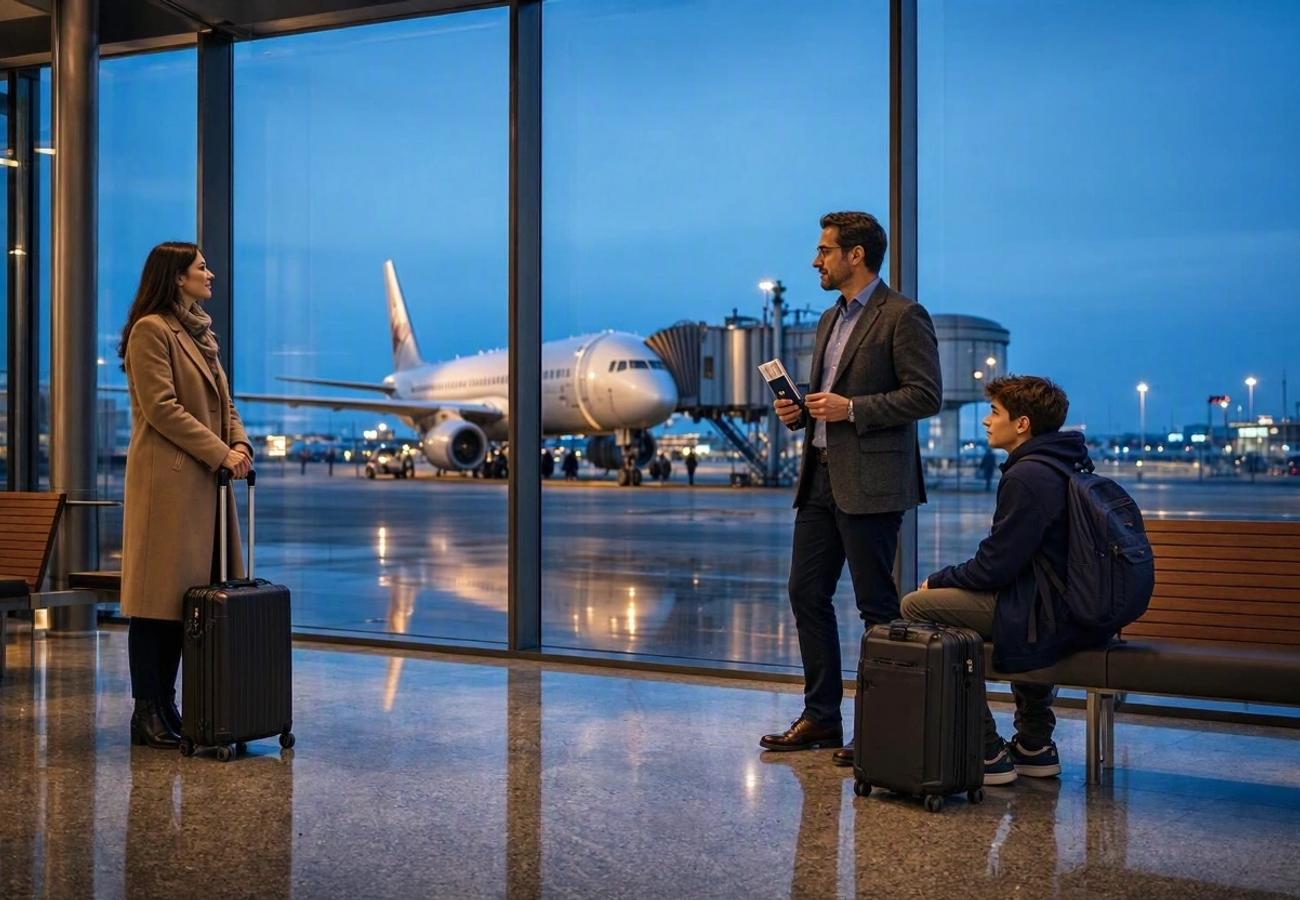
North American Cannabis Tourism: Legal Risks and Federal Enforcement Realities

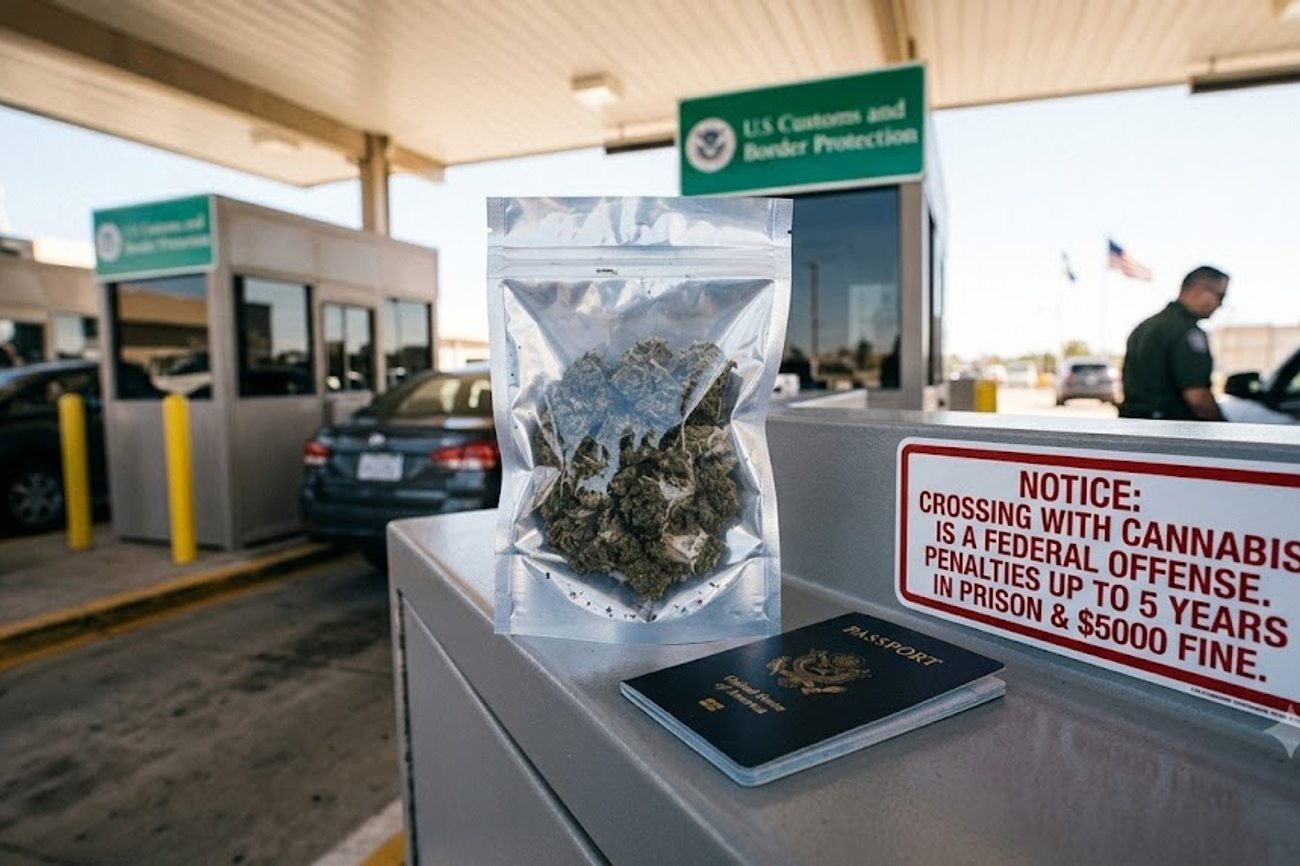
Image generated by AI
The Core Development
A critical legal divide has emerged for tourists visiting the United States and Canada. While several jurisdictions have liberalized cannabis laws, the transition between state, provincial, and federal territories creates a "legal trap."
The primary conflict lies in the fact that a legal purchase in one city does not grant legal possession in another. Federal authorities, airport security, and national park rangers operate under laws that ignore state-level legalization, leaving travelers vulnerable to criminal charges during domestic transit or sightseeing.
Key Facts Breakdown
- Federal Precedence: In the US, marijuana containing more than 0.3% delta-9 THC remains illegal under federal law regardless of state status.
- Transit Risks: Possession of cannabis on domestic flights is strictly prohibited under federal regulations.
- National Park Penalties: The National Park Service (NPS) does not recognize state marijuana laws. Possession or use within federal parks can result in:
- Fines up to $5,000 for individuals.
- Fines up to $10,000 for organizations.
- Imprisonment for up to six months.
- Jurisdictional Conflict: Federal land (National Parks, recreation areas) often sits inside "legal" states, meaning a traveler can move from a legal zone to a criminal zone without crossing a state line.
2026 Cannabis Market Statistics
| State | 2026 Government-Reported Market Statistic | Period Covered | Insight |
|---|---|---|---|
| New York | $3.3 billion in total adult-use retail sales | Since launch (Reported March 2026) | Regulated market passed $3B milestone; 610 licensed dispensaries. |
| Illinois | $566.12 million in adult-use sales | January–May 2026 | 22.83 million items sold ($456.74M in-state; $109.38M out-of-state). |
| Colorado | $416.61 million in marijuana sales | January–April 2026 | Combined medical and retail sales via Dept. of Revenue. |
| California | $1.98 billion in taxable cannabis sales | Q1 2026 | Large regulated market continues substantial taxable generation. |
Why This Matters
From a logistical perspective, this creates a high-risk environment for the "road trip" tourist. Our analysis of the current enforcement landscape indicates that the most dangerous blind spot is the Federal Enclave.
For a traveler in Colorado, the transition from a licensed dispensary to Great Sand Dunes National Park or Mesa Verde National Park is a transition from a legal commercial activity to a federal crime. Because these boundaries are often unmarked or intuitive, tourists are frequently caught in "jurisdictional traps."
The real impact is that "legal" cannabis tourism is an oxymoron when it involves any form of federal infrastructure—including airports and national forests. The financial and criminal risks far outweigh the convenience of local legality.
Industry Outlook
Expect increased enforcement at federal checkpoints and national park entrances as the gap between state revenue (billions in sales) and federal prohibition widens. Travelers should assume that any substance containing over 0.3% delta-9 THC is contraband the moment they leave a private residence or a state-licensed facility.
Suggested Internal Link Anchors:
- US Federal Travel Regulations
- North American Border Crossing Guidelines
- International Tourism Legal Compliance
Related Travel Guides
This article is for informational purposes. Flight routes, passenger regulations, visa rules, and transit advisories are subject to change by airlines and aviation authorities. Readers are advised to verify schedules and travel documentation with relevant carriers and border agencies before departure.
Related Stories

European Mass Protests Disrupt Travel Across France, Italy, Belgium, and Turkey in 2026
Aeroméxico and Delta Expand US Network with 42 Weekly Flights to California, Florida and Oregon in 2027