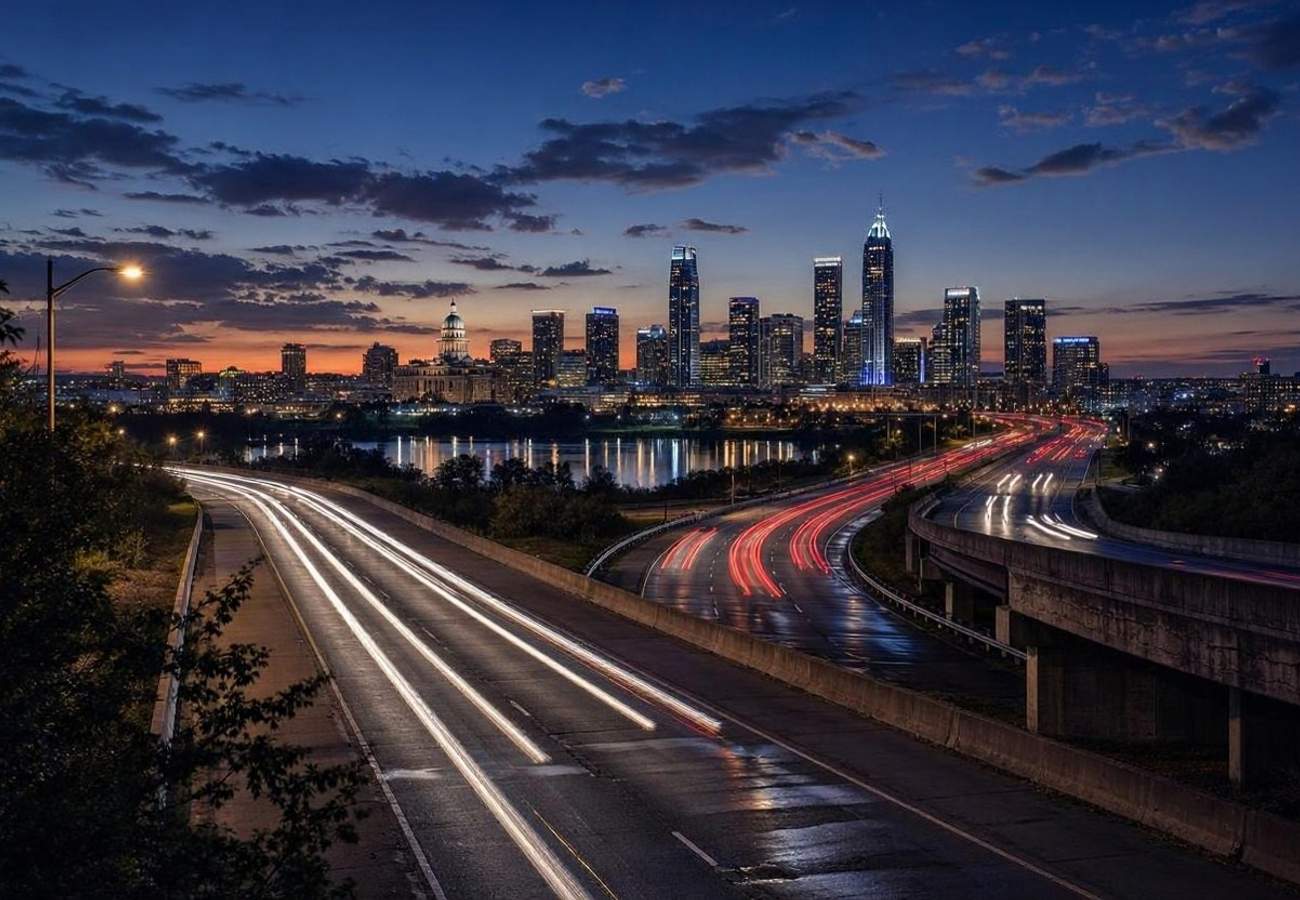
Canada Travel Safety Guide 2026: Crime Severity Trends Across 19 Cities


Even as Canada’s national Crime Severity Index dropped 5% in 2025—marking its second straight year of nationwide decline—major tourist gateways showed sharp regional divergences, with Vancouver, Thunder Bay, and Moncton recording increases in police-reported crime severity. Meanwhile, primary cultural powerhouses like Toronto and Calgary recorded downward trajectories, maintaining safety indices comfortably below national benchmarks. For international vacationers and independent road-trippers planning cross-country Canadian journeys, understanding these regional dynamics is essential for choosing safe accommodation districts, preventing rental car break-ins, and managing outdoor risks.
While Canada remains among the safest destinations globally, city-specific policing data compiled across 19 metropolitan areas in six provinces reveals why tailored safety strategies matter far more than broad national stereotypes.
Deciphering Canada’s 2025–2026 Crime Severity Metrics
According to official data released by Statistics Canada, 12 of the 19 evaluated metropolitan centers recorded improving crime severity scores, while seven experienced upticks. The national index measures both the volume and relative seriousness of police-reported offenses.
Importantly, these indices measure overall municipal crime rather than offenses specifically targeting international tourists. Most visitor-facing incidents involve opportunistic property theft—specifically unattended luggage stolen from parked rental vehicles—rather than violent street crime:
| Metropolitan Center | Province | 2025 Crime Severity Trend | National Comparison |
|---|---|---|---|
| Vancouver | British Columbia | Increased | Above national average |
| Kamloops | British Columbia | Decreased | Above national average |
| Kelowna | British Columbia | Decreased | Above national average |
| Chilliwack | British Columbia | Decreased | Above national average |
| Nanaimo | British Columbia | Decreased | Near national average |
| Abbotsford–Mission | British Columbia | Decreased | Near national average |
| Edmonton | Alberta | Decreased | Above national average |
| Red Deer | Alberta | Decreased | Above national average |
| Lethbridge | Alberta | Increased | Above national average |
| Calgary | Alberta | Decreased | Below national average |
| Winnipeg | Manitoba | Decreased | Above national average |
| Regina | Saskatchewan | Decreased | Above national average |
| Saskatoon | Saskatchewan | Decreased | Above national average |
| Thunder Bay | Ontario | Increased | Above national average |
| London | Ontario | Increased | Below national average |
| Brantford | Ontario | Increased | Below national average |
| Toronto | Ontario | Decreased | Below national average |
| Moncton | New Brunswick | Increased | Above national average |
| Fredericton | New Brunswick | Increased | Above national average |
Regional Safety Breakdown: Pacific to Atlantic
British Columbia: Coastal Gateways and Valley Trails
In Vancouver, iconic sites like Stanley Park, Granville Island, Gastown, and English Bay remain heavily visited. However, rising crime severity highlights opportunistic vehicle break-ins, especially around public parking lots near Chinatown, Gastown, and downtown parkades. In the interior, Kamloops, Kelowna, and Chilliwack recorded declining crime severity, though indices remain above the national average. Travelers visiting Okanagan vineyards or biking in Kamloops should keep electronics concealed.
Alberta: Prairie Centers and Mountain Gateways
Calgary remains a secure gateway for travelers heading toward Banff and Lake Louise, combining below-average crime severity with orderly transit. Conversely, while Edmonton and Red Deer recorded annual decreases, overall severity ratings remain elevated. In Edmonton, visitors touring the Royal Alberta Museum or West Edmonton Mall should use well-trafficked corridors after dark. Lethbridge recorded a slight increase, though standard precautions around the High Level Bridge and Nikka Yuko Japanese Garden suffice.
Manitoba and Saskatchewan: Prairie Cultural Hubs
Winnipeg saw significant decreases in crime severity, yet its baseline remains higher than eastern metropolitan centers. Exploring The Forks, the Exchange District, or the Canadian Museum for Human Rights is straightforward by day, but visitors should pre-book licensed taxis or rideshares rather than walking unlit streets late at night. In Saskatchewan, Regina and Saskatoon both logged notable safety improvements across Wascana Centre and the Meewasin Valley river trails.
Ontario: Skyline Metropolises and Northern Wilderness
Toronto remains one of the safest major metropolitan areas in North America, with crime severity declining below the national benchmark. Incidents around the CN Tower, Toronto Islands, and the Distillery District are rare, though travelers should watch personal bags in crowded subway stations. Further west, London and Brantford experienced crime severity increases while remaining below national averages. In northern Ontario, Thunder Bay recorded an uptick in crime severity; visitors hiking Sleeping Giant Provincial Park or visiting Kakabeka Falls should secure their vehicles at trailheads.
Atlantic Canada: Maritime Heritage in New Brunswick
Moncton and Fredericton both recorded increases in police-reported crime severity during 2025. While violent encounters involving travelers are exceedingly uncommon, visitors admiring historic art at the Beaverbrook Art Gallery in Fredericton or driving to Hopewell Rocks near Moncton should lock vehicles and keep luggage concealed in car trunks.
Visitor Insider Tips: Practical Travel Security Hacks
- Adopt the "Clean Trunk" Habit: Rental cars bearing out-of-province plates or barcode stickers are primary targets for smash-and-grab thieves across British Columbia and Alberta. Never leave jackets, empty backpacks, or charging cables visible on seats. Transfer luggage into the locked trunk before arriving at scenic lookouts or restaurant parking lots.
- Use Official Transit and Licensed Rideshares: In downtown Winnipeg, Edmonton, and Vancouver, avoid waiting at deserted bus shelters late at night. Use reputable apps or hotel taxi stands.
- Respect Extreme Environmental Hazards: In Canada, environmental factors often pose greater risks than crime. Check fire bans and smoke trackers during British Columbia’s summer wildfire season, dress in thermal layers during prairie winter sub-zero snaps, and consult marine tide charts when exploring the Bay of Fundy near Moncton, where water levels rise up to 46 feet twice daily.
- Follow Wildlife Buffer Standards: When traveling near national parks, adhere to guidelines from Parks Canada. Never approach grizzly bears, black bears, or elk, and keep all food stored in bear-proof lockers.
- Memorize Emergency Contacts: Dialing 911 connects callers directly to integrated police, ambulance, and fire services nationwide. In remote northern regions without cellular coverage, carry a satellite communicator.
Cultural Context and Responsible Tourism
Canada’s multicultural identity and Indigenous heritage shape its regional communities. Historic neighborhoods like Vancouver’s Chinatown, Toronto’s Kensington Market, and Saskatoon’s Wanuskewin Heritage Park represent living cultural centers that require respectful visitor engagement.
Economic disparities in urban downtown cores often intersect with public addiction and mental health challenges. Travelers should approach street-level social issues with empathy and perspective, recognizing that visible poverty does not automatically equate to personal danger. Supporting community-run social enterprises, Indigenous-owned tourism operators, and neighborhood family businesses directs travel expenditure into local economic resilience.
For nationwide tourism guidelines and curated itineraries, consult Destination Canada.
FAQ: Canadian Travel Safety 2026
Is Canada generally safe for international travelers?
Yes. Canada consistently ranks among the world's safest travel destinations, with violent crime against international visitors remaining exceptionally rare across all provinces.
Why did Vancouver's crime severity index rise?
Vancouver's increase was primarily driven by property offenses, including retail theft and unattended vehicle break-ins, rather than random violent crime against tourists.
What is the national emergency telephone number in Canada?
Dial 911 on any mobile device or landline to reach emergency police, fire, or paramedic response services across all Canadian provinces.
How safe is solo travel for women in Canada?
Solo travel is common and safe throughout Canada. Women traveling independently should follow routine urban precautions, keep accommodations locked, and pre-arrange evening transit in downtown areas.
Informed situational awareness and respect for regional environments ensure your Canadian journey remains secure, rewarding, and unforgettable.
Related Travel Guides
This article is for informational purposes. Flight routes, passenger regulations, visa rules, and transit advisories are subject to change by airlines and aviation authorities. Readers are advised to verify schedules and travel documentation with relevant carriers and border agencies before departure.
Related Stories
Toronto Pearson Airport Issues Urgent Health Advisory Following Measles Exposure in Terminal 1 from Inbound Ethiopian Airlines Flight ET552

US East Coast Weather Alert: Potential Tropical Storm Kyle Impacts Travel from Georgia to New England 2026