
Canada Issues Travel Alerts for Costa Rica, Turkey, Switzerland, South Korea, Spain as Summer Crime and Security Risks Surge
Canada flags heightened security threats across five major summer destinations. Travelers face rising crime, terrorism alerts, and transport disruptions as peak holiday season accelerates globally.

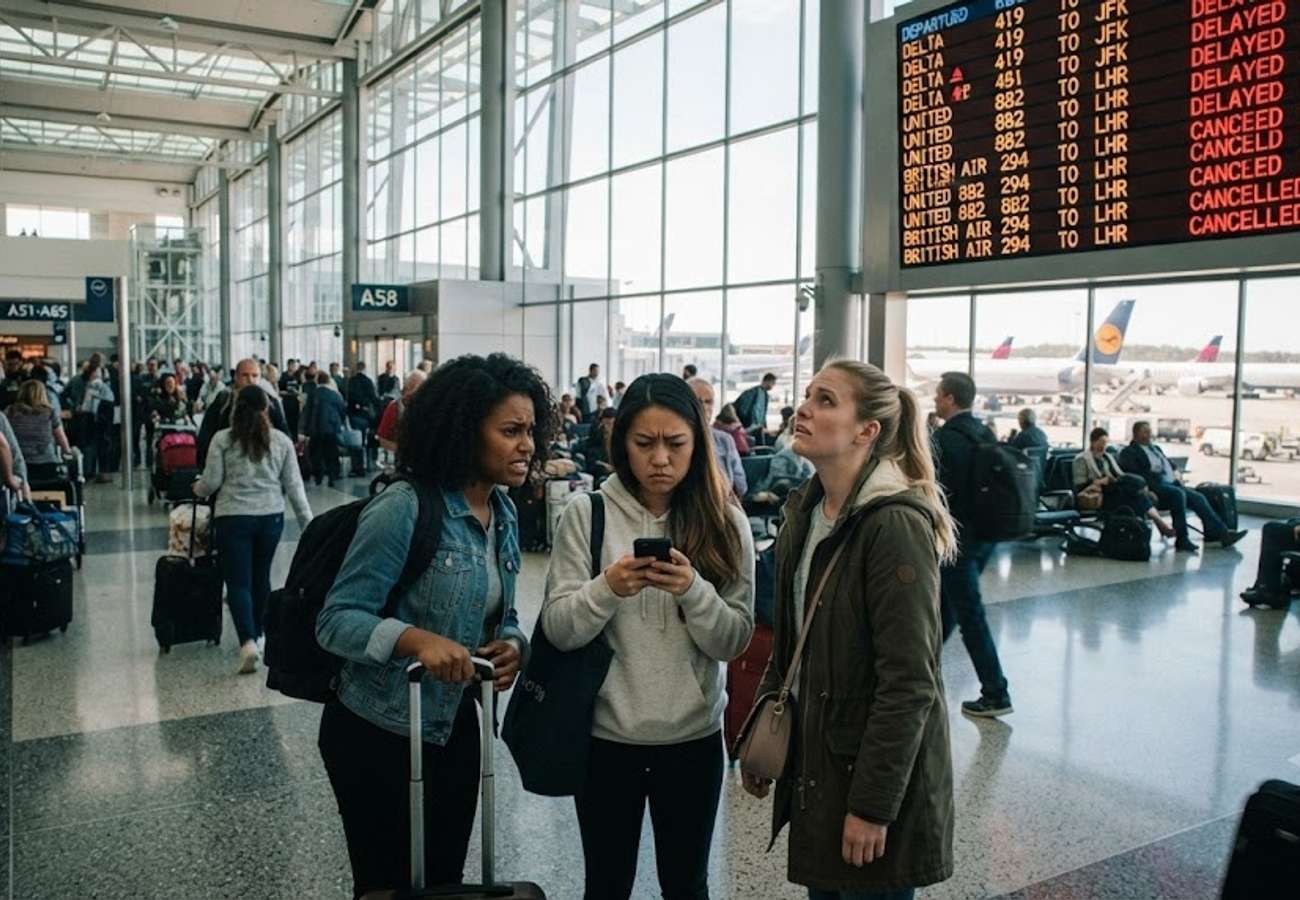
Image generated by AI
Canada's official travel advisory system just flagged five major vacation hotspots, and what authorities are warning about should alarm anyone planning summer getaways right now.
As peak travel season accelerates and families lock in their holiday plans, updated guidance from Canada is reshaping how international travelers approach popular destinations. The alerts span Türkiye, Costa Rica, Switzerland, South Korea, and Spain—five of the world's most-visited regions—each facing distinct but serious security and safety challenges that demand immediate traveler attention.
The timing couldn't be sharper. With school holidays underway and airport departure boards packed, authorities are pushing a critical message: reassess your itinerary, verify conditions in real-time, and prepare for escalating risks across these corridors.
Canada's Advisory System: The New Travel Planning Blueprint
The Canadian government's travel advisory framework has become essential infrastructure for global mobility decisions. This intelligence-driven platform synthesizes security reports, geopolitical assessments, and environmental data to help millions of travelers evaluate destination risks before departure.
What's happening this summer is different. The intensity of advisory updates suggests instability is accelerating across multiple tourism corridors simultaneously. Travelers are now making decisions based less on guidebooks and more on real-time threat assessments.
The advisory updates hit hardest for last-minute planners. With limited prep time, unexpected disruptions now carry heavier consequences. Travel insurance, accommodation selection, and transport logistics all demand tighter scrutiny than ever before.
Reddit: "Seeing these advisories pop up is honestly making me reconsider my Spain trip. Used to trust it was safe, but the security alert level is freaking me out." — r/travel
Türkiye: Terrorism Alerts and Military Tensions Collide
Türkiye occupies center stage in this advisory cycle, facing a convergence of overlapping risks that few travelers anticipate.
Terrorism remains the foremost concern, particularly in Istanbul and Ankara. High-traffic public spaces and transport hubs are flagged as priority threat zones. Expect intensified security screening at major airports—processing times have doubled in recent weeks.
A major international summit scheduled in Ankara is amplifying security operations across the capital. Restricted zones, transport rerouting, and heightened surveillance measures will impact visitor mobility. Major hotels near government districts may face temporary access limitations.
Military activity in surrounding regions introduces another dimension: potential airspace restrictions. Flights could face unexpected delays or cancellations. According to aviation monitoring services, Turkish airspace has experienced three temporary closure periods in the past 60 days due to military operations.
Chemical exposure incidents linked to accommodation hygiene add a fifth-order risk. Travelers should verify ventilation standards in lodging before arrival and remain alert to unusual environmental conditions in rooms or common areas.
Costa Rica: Crime Surges Amid Hurricane Season
Costa Rica's paradox is stark: natural beauty masked by rising petty crime that targets tourists with systematic precision.
Pickpocketing, car break-ins, and accommodation theft plague tourist zones from San José to Monteverde. Rental vehicles—especially luxury models—are frequently targeted in hotel parking lots and beach access areas. One traveler reported losing $3,400 worth of camera equipment from a locked rental car in Playa Manuel Antonio.
Unregulated alcohol products circulating in local markets have caused severe health incidents. Travelers purchasing beverages outside established retail channels face genuine poisoning risk. Stick to major supermarkets and resort bars.
Seasonal climate compounds the danger. Hurricane activity during the mid-year Atlantic and Pacific cycles can intensify rapidly. A sudden weather event can strand travelers, disrupt transport, and trigger evacuations without warning. Monitor local meteorological updates obsessively during your stay.
The combination transforms Costa Rica from eco-tourism paradise into a destination requiring constant situational awareness.
Switzerland: Urban Theft and the Terror Threat Shadow
Switzerland's reputation for safety masks an evolving threat landscape that catches many travelers off-guard.
Petty crime concentrates in crowded transit hubs: Zürich's main railway station, Geneva airport terminals, and tourist districts along Lake Geneva. Distraction tactics—a staged collision, a dropped item, a crowd surge—are used to access wallets, phones, and travel documents.
While violent crime remains statistically rare, property theft impacts far more travelers than statistics suggest. Unsuspecting visitors are the primary targets.
Terrorism risk affects Switzerland indirectly through regional mobility patterns. Although Switzerland maintains lower terrorism threat levels than neighboring France or Germany, major events and public gatherings warrant heightened alertness. Train travelers should avoid leaving luggage unattended—a precaution that has prevented incidents across European networks.
Standard urban precautions work: avoid flashing expensive electronics, keep bags zipped in crowded spaces, and use hotel safes religiously.
South Korea: Geopolitical Volatility and Road Hazards
South Korea attracts millions of tourists annually, but updated advisories highlight risks most travelers underestimate.
The Korean Peninsula remains a geopolitical flashpoint. Military activities and missile tests can trigger rapid escalations without notice. While tourist areas remain relatively insulated from direct threats, the unpredictability itself creates travel planning complications. Flight cancellations due to airspace restrictions are possible—insurance with full refund provisions is essential.
Petty theft concentrates in crowded entertainment districts and nightlife zones. Seoul's Gangnam district, Myeongdong shopping district, and Dongdaemun market are common targeting zones for pickpockets and bag snatchers.
But the underreported threat is road safety. Seoul and Busan traffic conditions present significantly higher pedestrian accident risk than most Western cities. Drivers frequently ignore pedestrian right-of-way rules. Use designated crossings exclusively—jaywalking in Korea isn't a legal concern; it's a survival issue. Pedestrian fatality rates in South Korea exceed those in comparable developed nations.
Spain: Terrorism Alerts and Coastal Crime Waves
Spain maintains an elevated national terrorism alert level as authorities monitor evolving regional security challenges.
Public spaces, transport networks, and tourist destinations remain under scrutiny. While violent crime remains uncommon, property theft surges in urban centers and coastal zones. Barcelona's Gothic Quarter, Madrid's Plaza Mayor area, and Málaga's beachfront all report elevated theft incidents targeting tourists.
A concerning emerging threat involves staged roadside incidents. Criminals use fake breakdowns, faked accidents, or planted debris to stop vehicles, then exploit the distraction to commit theft. Never exit your vehicle to assist unknown individuals on Spanish roadways—call local authorities instead.
Terrorism-related travel warnings specifically mention crowded venues: nightclubs, beaches during peak hours, transport terminals, and major tourist attractions. While statistically your risk remains modest, the alert reflects genuine ongoing threats that security services are actively managing.
What Travelers Should Do Right Now
Verify advisories in real-time before departure—situations evolve weekly. Check Canada's official travel advisory portal immediately before booking or departing.
Secure comprehensive travel insurance that covers evacuation, terrorism-related cancellations, and geopolitical disruptions. Standard policies exclude many emerging scenarios.
Adjust your itinerary to emphasize lower-risk activities and zones. In Turkey, favor less crowded regional sites. In Costa Rica, hire private drivers instead of renting vehicles. In Spain, visit during off-peak hours when possible.
Stay connected with your embassy's travel notification system. Register your trip through your home country's smart traveler registry.
The summer travel surge is accelerating, but informed travelers who acknowledge these advisories and adapt their plans will navigate these destinations far more safely than those relying on outdated assumptions.
The world hasn't become dramatically less safe—we've just become far better at admitting where the real risks actually live.
Related Travel Guides
Disclaimer
This article is for informational and educational purposes only. It does not constitute legal, financial, or professional advice. While we strive to provide accurate and up-to-date information, travel policies, regulations, and conditions change rapidly. Always verify information with official sources before making travel decisions. Nomad Lawyer makes no representations about the accuracy, reliability, completeness, or suitability of the information provided. Readers should consult qualified professionals for advice specific to their circumstances. The views expressed in this article are those of the author and do not necessarily reflect the views of Nomad Lawyer.
Raushan Kumar
Founder & Lead Developer
Full-stack developer with 11+ years of experience and a passionate traveller. Raushan built Nomad Lawyer from the ground up with a vision to create the best travel and law experience on the web.
Learn more about our team →