
Canada Issues Strict 2026 Travel Advisories for Mexico Brazil Jamaica and Costa Rica Over Security Risks
Canada has implemented rigorous new travel advisories for 2026 targeting Mexico, Brazil, Jamaica, and Costa Rica due to escalating security threats and crime.

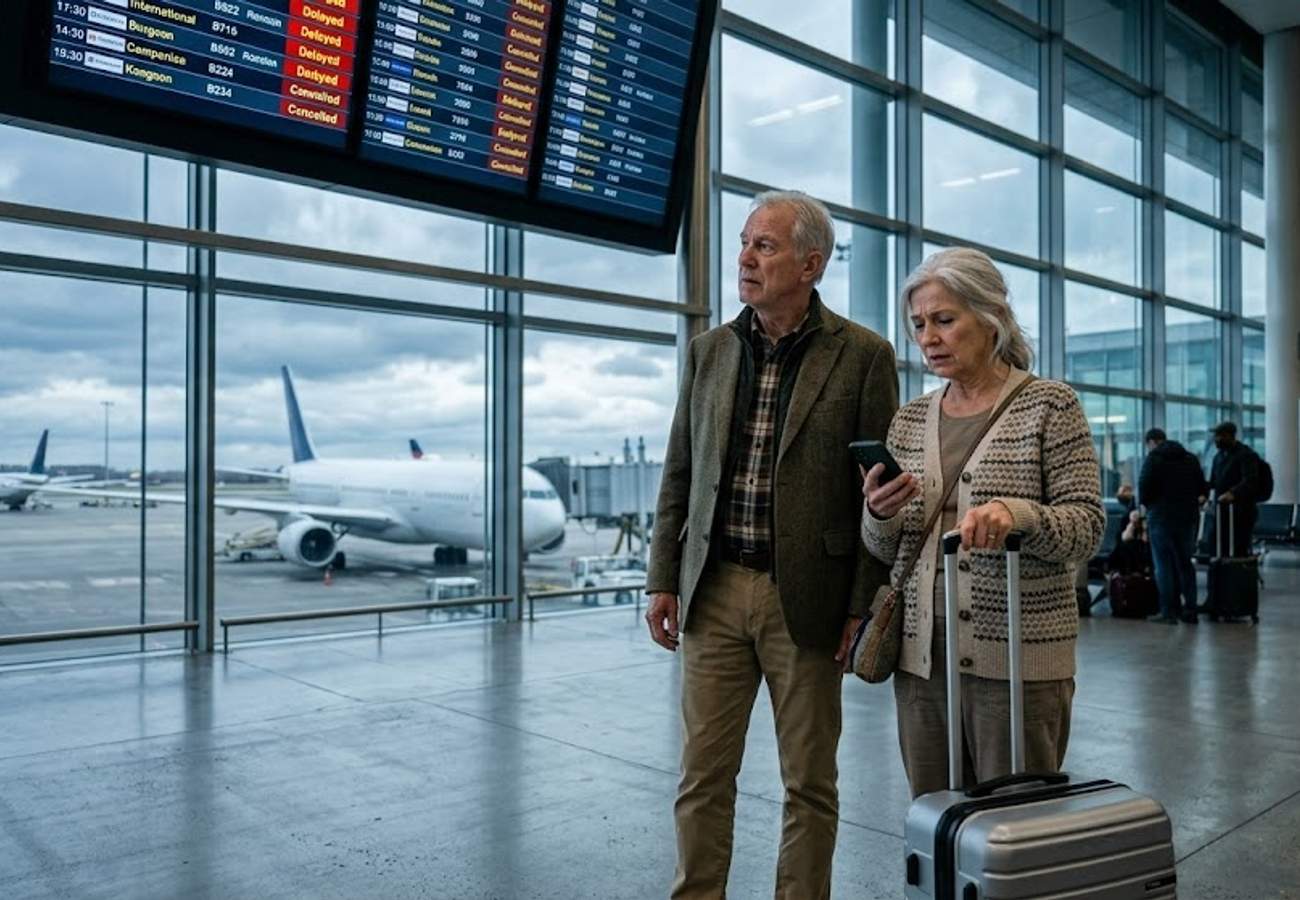
Image generated by AI
[Ottawa, July 20, 2026] — The Canadian government has released a series of stringent travel advisories for 2026, urging citizens to exercise extreme caution when visiting several major American destinations, including Mexico, Brazil, Jamaica, and Costa Rica. These warnings stem from a volatile mix of escalating organized crime, urban violence, border instability, and sophisticated fraud schemes targeting international visitors.
While these nations remain powerhouse tourism hubs attracting millions of global travelers, officials emphasize that the security landscape has shifted. The updated guidance focuses on the necessity of heightened situational awareness, the avoidance of high-risk zones, and strict adherence to safety protocols to mitigate the dangers posed by regional instability.
Security Challenges Facing American Tourism Hubs
The Americas continue to be a primary draw for international tourism, characterized by luxury resorts and vast natural landscapes. However, industry reports indicate that this growth is coinciding with a rise in security pressures that threaten traveler confidence.
The 2026 Canadian guidance identifies a broad spectrum of threats. These include violent criminal activity, petty theft, organized gang operations, financial scams, and instability at national borders. There is also a noted increase in risks associated with public demonstrations and unsafe transportation networks.
To counter these threats, officials recommend practical mitigation strategies. Travelers are advised to maintain secure custody of their passports, avoid isolated or unfamiliar areas, and utilize only vetted transportation providers. Monitoring local news in real-time and following the directives of local law enforcement are now considered essential components of trip planning.
Mexico's Volatile Security Landscape and Cartel Activity
Mexico continues to be a top-tier destination for Canadians, particularly for those visiting Cancun and other historic cultural centers. Despite this, the 2026 advisory highlights severe risks driven by criminal organizations and kidnapping threats in specific regions.
Government officials have flagged several states where organized crime and violent clashes are prevalent. These high-risk areas include:
- Chiapas
- Chihuahua
- Colima
- Guanajuato
- Guerrero
- Jalisco
- Michoacán
- Nayarit
- Nuevo León
- Sinaloa
- Sonora
- Tamaulipas
- Zacatecas
Sinaloa remains a critical point of concern due to ongoing warfare between rival armed factions. Reports indicate that travelers in these regions may encounter sudden roadblocks or violent incidents. Authorities recommend limiting all non-essential movement in these states.
Beyond regional violence, the advisory lists several systemic threats:
- Active organized crime networks
- Armed confrontations
- Kidnapping attempts
- Widespread theft and robbery
- Complex fraud schemes
Border zones, particularly those adjacent to the United States and Guatemala, are noted for illegal roadblocks and criminal activity. Travelers are urged to avoid land travel after dark and prioritize air transport to bypass dangerous corridors. Regarding entry, Canadians can generally stay in Mexico for up to 180 days without a visa, though passport validity must be verified prior to departure.
Brazil's Urban Violence and Border Trafficking Risks
Brazil remains a global attraction for its Amazonian wilderness and the urban energy of São Paulo and Rio de Janeiro. However, the 2026 advisory warns of persistent dangers linked to gang activity and criminal networks.
Border regions sharing boundaries with Argentina, Bolivia, Colombia, French Guiana, Guyana, Paraguay, Peru, Suriname, and Venezuela are categorized as high-risk due to the presence of drug and weapon trafficking rings.
In Rio de Janeiro, specific "no-go" zones have been identified. The Canadian government advises against entering favela complexes, specifically Complexo da Maré and Complexo da Penha, citing frequent police operations and a lack of emergency infrastructure.
Major Brazilian cities are currently seeing a rise in:
- Armed robberies and carjackings
- Physical assaults
- Theft of high-value electronics (smartphones, cameras)
- Gang-related violence and sexual crimes
Financial security is also a primary concern. Criminals are increasingly utilizing card-skimming devices and online scams to target foreign bank accounts. Travelers are urged to monitor all financial transactions closely.
Jamaica and the Caribbean Security Outlook
Jamaica continues to be a premier Caribbean destination, but the 2026 advisory points to a stark divide between secure resort zones and high-crime urban areas. Violent crime remains a significant issue, particularly outside of the primary tourism corridors.
High-risk areas include specific neighborhoods within Kingston, Montego Bay, May Pen, and St Catherine, where gang warfare and firearm violence are common. While luxury resorts provide a buffer of security, visitors are warned against walking alone at night or visiting secluded beaches.
The advisory also highlights a surge in "romance scams" and online fraud. Criminals are reportedly using social media and dating apps to target Canadians before they even arrive on the island, leading to dangerous encounters or financial loss. Other common threats include ATM fraud and professional pickpocketing.
Costa Rica's Struggle with Property Crime
Despite the success of its eco-tourism and nature-based travel sectors, Costa Rica is facing an increase in property-related crimes. The Canadian advisory notes that foreign tourists are frequently targeted because they are perceived to be carrying significant valuables.
Theft is reported to be most prevalent at airports, hotels, public transport hubs, and national park entrances. Visitors are encouraged to keep valuables concealed and remain vigilant in crowded tourist areas.
Why This Matters: The Shift in Global Travel Risk
The alignment of these warnings across Mexico, Brazil, Jamaica, and Costa Rica signals a broader trend in the 2026 travel landscape: the "security gap" between tourist bubbles and the surrounding reality is widening.
For the modern traveler, this means that traditional "safe" destinations now require a level of tactical planning previously reserved for extreme adventure travel. The emphasis on "information gain"—knowing exactly which street or state to avoid—is now a necessity for survival and safety. The rise of digital fraud and "romance scams" also indicates that the threat to travelers now begins online, long before the flight departs. This shift forces a move toward more cautious, vetted, and structured tourism, potentially benefiting high-security all-inclusive resorts while endangering independent "off-the-beaten-path" explorers.
Travelers are urged to register with their respective government portals for real-time emergency updates during their stay.
Related Travel Guides
Disclaimer
This article is for informational and educational purposes only. It does not constitute legal, financial, or professional advice. While we strive to provide accurate and up-to-date information, travel policies, regulations, and conditions change rapidly. Always verify information with official sources before making travel decisions. Nomad Lawyer makes no representations about the accuracy, reliability, completeness, or suitability of the information provided. Readers should consult qualified professionals for advice specific to their circumstances. The views expressed in this article are those of the author and do not necessarily reflect the views of Nomad Lawyer.
Raushan Kumar
Founder & Lead Developer
Full-stack developer with 11+ years of experience and a passionate traveller. Raushan built Nomad Lawyer from the ground up with a vision to create the best travel and law experience on the web.
Learn more about our team →