
Canada Issues Urgent Travel Advisories for Finland, Latvia, Estonia, and Slovakia Amid Ukraine Conflict 2026
Canada has updated travel guidance for Northern and Eastern Europe, citing airspace violations, drone activity, and border disruptions linked to the ongoing Ukraine conflict.

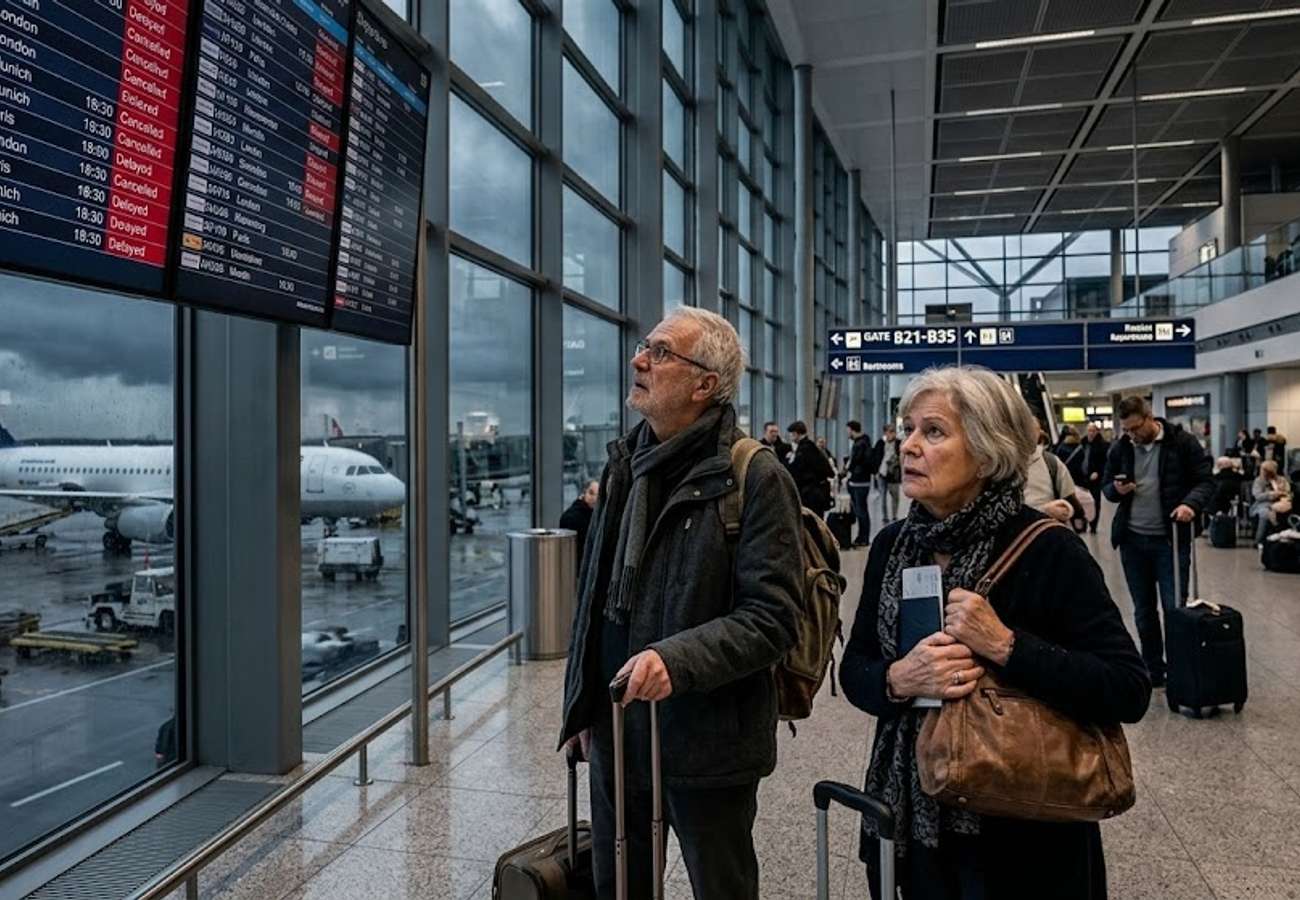
Image generated by AI
The Government of Canada has released updated travel guidance for citizens visiting Finland, Latvia, Estonia, and Slovakia. These advisories stem from the evolving security environment in Europe, specifically the spillover effects of the ongoing conflict in Ukraine.
While these nations remain stable and safe for international tourism, the Canadian government is urging travelers to maintain a high level of situational awareness. The primary concerns involve potential disruptions at border crossings, unauthorized airspace incursions, and the presence of military debris.
Regional Security Dynamics and Aviation Risks
The conflict between Russia and Ukraine has fundamentally altered the security posture of countries bordering Russia and Belarus. Although daily life and tourism in Northern and Eastern Europe continue without major interruption, the risk of unpredictable incidents has increased.
Aviation and transport networks are the most susceptible to these regional tensions. Travelers should be prepared for sudden operational changes resulting from heightened security monitoring and regional instability.
Finland: Airspace Violations and Debris
Finland remains a top-tier safe destination, yet it has recently dealt with objects linked to the Ukraine conflict, including drones and military debris, entering its airspace. While these incidents do not pose a direct threat to the general public, they can trigger logistical chain reactions.
Potential disruptions for travelers in Finland include:
- Sudden flight cancellations or delays.
- Short-term restrictions on airspace.
- Interruptments to ferry services.
- Transport bottlenecks caused by emergency security protocols.
To mitigate these risks, Finland utilizes the 112 Suomi emergency mobile application, alongside a network of sirens and broadcast alerts.
Latvia and Estonia: Baltic Border Vigilance
Both Latvia and Estonia have seen a surge in security monitoring due to their geographic proximity to Russia. Canada's advisory specifically mentions drone activity and airspace violations that could interfere with border movements and regional transportation.
In Latvia, the 112 Latvia system provides emergency alerts. Similarly, Estonia has leveraged its advanced digital infrastructure to manage regional security alerts and border monitoring. For visitors in Tallinn and Riga, the primary impact is likely to be increased security presence rather than direct danger.
Border Disruptions in Slovakia
Unlike the Baltic states, where airspace is the primary concern, Slovakia's advisory focuses on terrestrial movement. Canada warns that border crossings between Slovakia and Ukraine may experience disruptions or changes in accessibility due to the armed conflict.
Travelers planning trips to the eastern regions of Slovakia are advised to verify the status of border checkpoints and follow the directives of local Slovak authorities to avoid being caught in transit delays.
Urban Safety and Petty Crime Trends
While geopolitical tensions dominate the official advisories, Canada emphasizes that the most common risks for tourists in these regions remain petty crimes. These are typically concentrated in high-traffic tourist hubs.
High-Risk Areas for Theft
| Country | Primary Areas of Concern | Common Crimes |
|---|---|---|
| Finland | Helsinki railway stations, airports, popular attractions | Pickpocketing, bag theft |
| Latvia | Riga Old Town, Central Market, bus terminals | Card fraud, vehicle theft, nightlife scams |
| Estonia | Tallinn medieval center, UNESCO heritage sites | Petty theft, pickpocketing |
| Slovakia | Bratislava Old Town, public transport hubs | Purse theft, vehicle break-ins, distraction scams |
Essential Safety Protocols for 2026 Travelers
To ensure a seamless trip despite the regional climate, the Canadian government recommends the following precautions:
- Digital Readiness: Download local emergency apps (such as 112 Suomi or 112 Latvia) and register with official government travel portals.
- Information Sourcing: Monitor trusted news outlets and local government bulletins for real-time updates on airspace or border closures.
- Asset Protection: Use secure payment methods and avoid leaving valuables in rental cars or unattended in crowded areas like the Riga Central Market or Helsinki stations.
- Situational Awareness: Be mindful of surroundings in public squares and transport hubs, as these remain the primary targets for opportunistic theft.
Despite the updated warnings, the Baltic and Nordic regions remain open and welcoming to global visitors.
Related Travel Guides
Disclaimer
This article is for informational and educational purposes only. It does not constitute legal, financial, or professional advice. While we strive to provide accurate and up-to-date information, travel policies, regulations, and conditions change rapidly. Always verify information with official sources before making travel decisions. Nomad Lawyer makes no representations about the accuracy, reliability, completeness, or suitability of the information provided. Readers should consult qualified professionals for advice specific to their circumstances. The views expressed in this article are those of the author and do not necessarily reflect the views of Nomad Lawyer.
Preeti Gunjan
Contributor & Community Manager
A passionate traveller and community builder. Preeti helps grow the Nomad Lawyer community, fostering engagement and bringing the reader experience to life.
Learn more about our team →