
Canada Tourism Revenue Hits $29.5 Billion in Q1 2026 as Ontario and Quebec Lead Regional Growth
Canada's tourism sector generated $29.5 billion in Q1 2026, driven by a strategic shift toward rural and nature-based travel across Ontario, Quebec, and the Prairies.
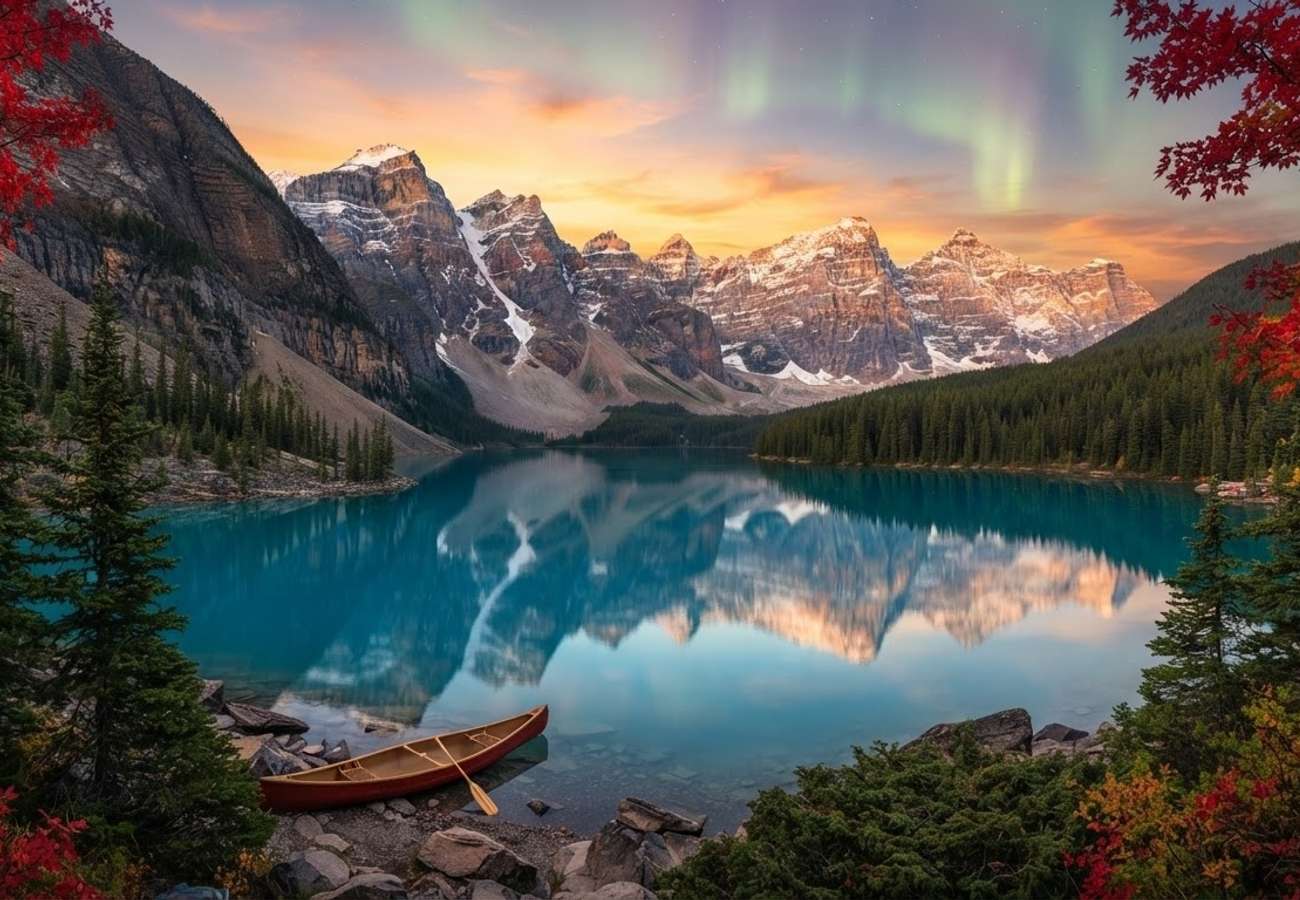
Image generated by AI
Canada generated $29.5 billion in tourism revenue in Q1 2026, with international visitor spending surging 8% year-on-year to $6.0 billion. This growth is powered by a coordinated effort between Ontario, Quebec, and other provinces to blend high-traffic urban hubs with emerging rural and nature-based experiences.
The Shift Toward Diversified Regional Travel
The Canadian travel market is undergoing a structural pivot. While the traditional "big city" draw remains potent, there is a measurable shift toward decentralized tourism. Travelers are no longer sticking to the primary gateways; instead, they are utilizing hubs like Toronto and Vancouver as launchpads into the hinterlands.
Ontario continues to function as the nation's primary economic engine, contributing more than 35% of Canada’s tourism GDP. The province leverages Toronto’s status as the leading international entry point to funnel high-value spending into the Niagara wine regions and rural escapes. This model is being mirrored in British Columbia, which accounts for approximately 21% of the national tourism GDP. Vancouver remains a powerhouse, capturing roughly 20% of all international overnight visitor spending, but the real momentum is shifting toward the Rocky Mountains and Vancouver Island.
Meanwhile, Quebec maintains a distinct competitive edge by blending heritage with modernity. Contributing about 19% of the national tourism GDP, the province relies heavily on Montréal, which captures roughly 12% of international tourist spending. The strategy here is a sophisticated mix of gastronomy, arts, and historic preservation that appeals specifically to the growing European and US markets.
Cultural and Environmental Value: Beyond the City Limits
For the visitor, the real impact of this regional unity is the accessibility of authentic, low-impact travel. The growth in the Prairie provinces—where Saskatchewan has seen regional expenditure increases of up to 42%—signals a move away from over-tourism in cities toward Indigenous-led experiences and wildlife adventures.
In the North, the Yukon demonstrates the high economic value of exclusivity. Although it attracts fewer crowds, tourism contributes approximately 3.7% of its local GDP. This is a prime example of the "high-value, low-volume" sustainable model, where Northern Lights tourism and remote wilderness treks generate significant revenue without compromising the fragile Arctic ecosystem. Similarly, Prince Edward Island (PEI) has turned its small scale into a strength, with tourism supporting around 6.6% of all jobs on the island and contributing 3.3% of its GDP.
By distributing visitors across Atlantic Canada—specifically Nova Scotia and New Brunswick—the industry is reducing the pressure on urban infrastructure while injecting capital directly into coastal seafood communities and rural heritage sites.
Canada Tourism Revenue Performance (Q1 2026)
| Tourism Indicator | Q1 2026 Performance | Year-on-Year Change |
|---|---|---|
| Total Tourism Revenue | $29.5 Billion | +6% |
| Domestic Tourism Spending | $23.5 Billion | +5% |
| International Visitor Spending | $6.0 Billion | +8% |
| US Visitor Spending Contribution | $3.0 Billion | +16.5% |
| Overseas Visitor Spending Contribution | $2.1 Billion | +10.2% |
Regional Revenue Contribution Breakdown
| Region / Province | Tourism Contribution | Key Revenue Driver |
|---|---|---|
| Ontario | 35%+ of Tourism GDP | Toronto, Niagara Falls, Business Travel |
| British Columbia | ~21% of Tourism GDP | Vancouver, Rockies, Coastal Nature |
| Quebec | ~19% of Tourism GDP | Montréal, Québec City, Cultural Heritage |
| Yukon | 3.7% of Local GDP | Northern Lights, Indigenous Culture |
| Prince Edward Island | 3.3% of Local GDP | Culinary Tourism, Coastal Experiences |
Visitor Insider Tips
To navigate Canada's diversified tourism landscape in 2026, consider these local insights:
- The "Shoulder Season" Advantage: To avoid the crowds in Ontario and BC, visit during the "shoulder" months of May or September. You will find lower rates in Niagara and the Rockies while enjoying stable weather.
- Indigenous-Led Tours: In Saskatchewan and the Yukon, prioritize tours certified by local Indigenous heritage associations. These provide the most authentic cultural exchange and ensure funds stay within the community.
- Montréal Gastronomy: Move beyond the tourist menus in Old Montréal. Explore the Plateau neighborhood for authentic Quebecois cuisine and local bistros.
- Atlantic Transit: When exploring Nova Scotia and New Brunswick, rent a vehicle with a GPS that supports offline maps, as some of the most scenic coastal routes have limited cellular connectivity.
Tourism Outlook
The long-term trajectory for Canada is one of resilience through diversification. By moving away from a reliance on a few major cities, the country is insulating its economy against localized downturns. The 16.5% increase in US visitor spending and the 10.2% rise in overseas contributions suggest that Canada's brand as a premier nature and culture destination is strengthening globally. As infrastructure improves in Atlantic Canada and the Prairies, the "tourism GDP" will likely spread more evenly across the map, fostering sustainable growth in rural communities.
Canada is no longer just a destination of cities, but a network of curated regional experiences.
Related Travel Guides
Disclaimer
This article is for informational and educational purposes only. It does not constitute legal, financial, or professional advice. While we strive to provide accurate and up-to-date information, travel policies, regulations, and conditions change rapidly. Always verify information with official sources before making travel decisions. Nomad Lawyer makes no representations about the accuracy, reliability, completeness, or suitability of the information provided. Readers should consult qualified professionals for advice specific to their circumstances. The views expressed in this article are those of the author and do not necessarily reflect the views of Nomad Lawyer.