
European Tourism Shift 2026: Small Nations Outpace Spain and France in Foreign Visitor Growth
New 2026 data reveals a pivot in European travel as niche destinations like Liechtenstein and Ireland record higher growth rates than traditional giants Spain and France.

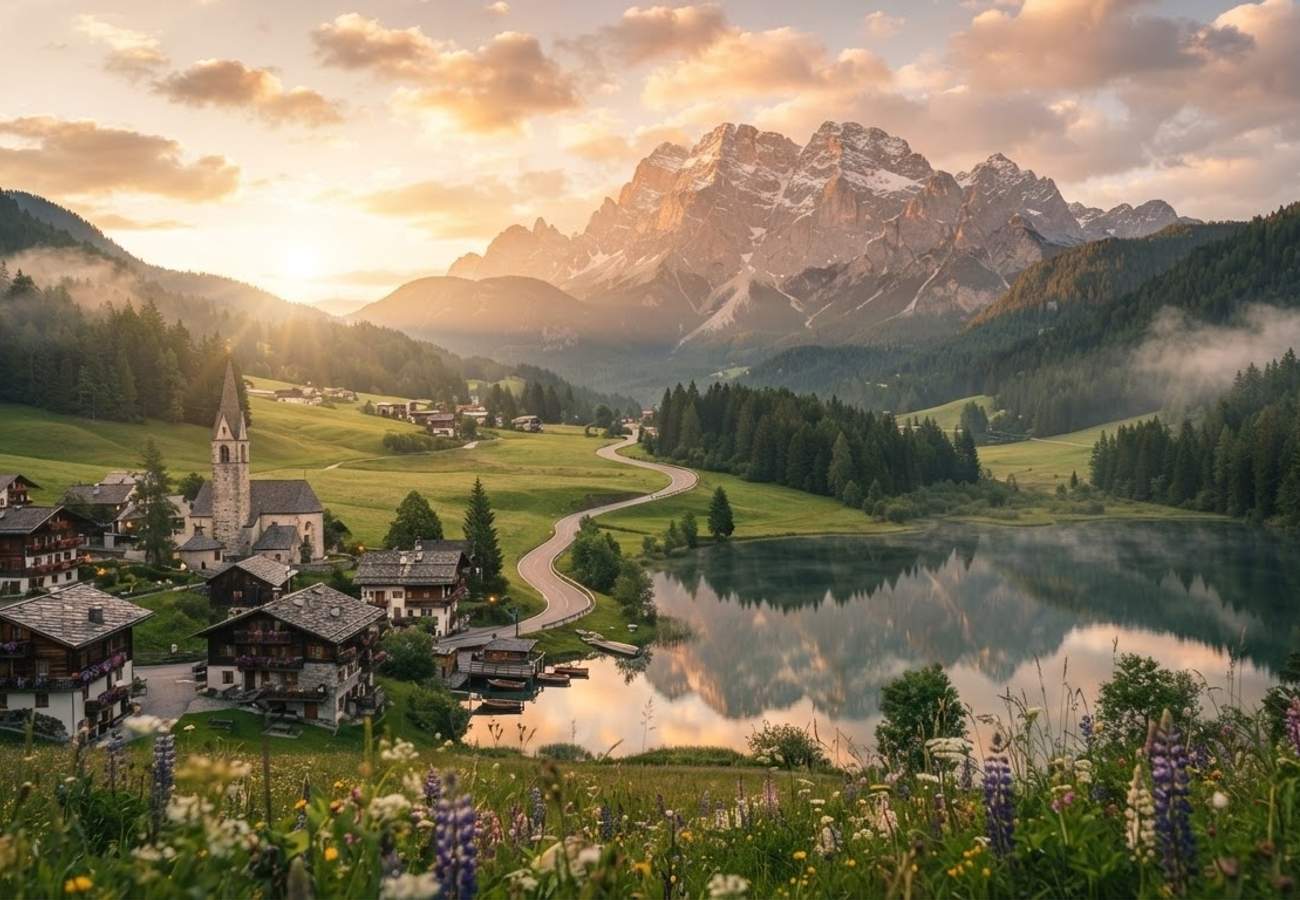
Image generated by AI
Liechtenstein and Ireland are leading a fundamental restructuring of European travel in 2026, as international tourists increasingly abandon overcrowded hotspots in favor of authentic, sustainable, and nature-centric escapes.
The traditional hierarchy of European tourism is facing a significant disruption. While the "Big Four"—France, Spain, Italy, and Greece—still command the highest total volumes of visitors, they are no longer the fastest-growing markets. Recent accommodation data indicates a strategic pivot by global travelers who are prioritizing "slow travel" and niche cultural experiences over the mass-tourism models of the continent's largest economies.
According to figures released by Eurostat, the European Union's statistical office, the first half of 2026 saw a consistent rise in overnight stays across the region compared to the same period in 2025. A critical trend emerging from this data is the dominance of international demand over domestic travel, suggesting that foreign tourists are the primary catalysts for this shift toward smaller, less-saturated destinations.
Niche Markets Lead the 2026 Tourism Growth Rankings
The first six months of 2026 have produced a surprising leaderboard. The nations recording the most aggressive expansion are those that have successfully marketed their unique landscapes and cultural authenticity rather than relying on high-volume infrastructure.
| Rank | Country | Overnight Stay Growth H1 2026 | Primary Growth Driver |
|---|---|---|---|
| 1 | Liechtenstein | +16.3% | Alpine tourism, hiking, luxury escapes, slow travel |
| 2 | Ireland | +14.8% | Scenic routes, heritage tourism, international demand |
| 3 | Malta | +9.9% | Mediterranean history, year-round tourism |
| 4 | Slovakia | +5.9% | Mountain activities, affordable outdoor travel |
| 5 | Slovenia | +5.7% | Sustainable tourism, nature-based experiences |
This data suggests a behavioral evolution. The modern traveler is increasingly motivated by a desire to avoid the "tourist trap" phenomenon, seeking instead deeper connections with local environments and communities.
Structural Drivers Behind the Surge in Small-Nation Travel
Several economic and sociological factors are fueling the rapid ascent of these smaller markets.
The Low-Base Effect From a statistical standpoint, France and Spain operate at near-capacity in many of their primary hubs. Because they start from a massive baseline of millions of visitors, achieving a high percentage of growth is mathematically more difficult. Conversely, a smaller nation like Liechtenstein can achieve double-digit growth by attracting a relatively small number of new visitors, allowing them to climb rankings quickly.
The Quest for Authenticity There is a documented shift toward specific travel segments, including wellness tourism, adventure travel, and nature-based holidays. Destinations like Slovenia and Slovakia are perfectly positioned to capture this demand, offering pristine landscapes and genuine local culture that mass-market hubs often struggle to maintain.
The Overtourism Exodus Chronic overcrowding in major European capitals has led to rising costs and a diminished visitor experience. This "overtourism" is actively redirecting traffic. Travelers are now intentionally seeking alternatives that offer a slower pace and less congestion, turning a liability for the giants into an opportunity for the smaller players.
Liechtenstein Emerges as the European Growth Champion
With a staggering 16.3% increase in overnight stays during the first half of 2026, Liechtenstein has become the fastest-growing tourism market in Europe. The microstate has avoided the pitfalls of mass tourism by carving out a high-value, low-impact identity.
By focusing on premium travel, Alpine hiking, and scenic landscapes, Liechtenstein has attracted a demographic of affluent travelers seeking seclusion and luxury. This strategy proves that a clear, specialized identity is more effective for growth in the current climate than attempting to compete on scale.
Ireland and Malta Capitalize on Experience-Based Demand
Ireland has secured the second-highest growth rate in Europe at 14.8%. The surge is attributed to a balanced tourism model that pairs the urban appeal of Dublin with the rugged, rural allure of the Wild Atlantic Way. This synergy allows the country to capture both the city-break market and the long-term explorer market.
Meanwhile, Malta has recorded a 9.9% increase in stays. Malta's success stems from its ability to decouple itself from the "summer-only" Mediterranean cycle. By promoting gastronomy, diving, and historical festivals, the island has successfully extended its tourism season, making it a viable year-round destination for international visitors.
Central Europe’s Regional Ascendance
The data indicates that Central Europe is becoming a powerhouse of growth, with several nations recording strong gains:
- Liechtenstein: +16.3%
- Slovakia: +5.9%
- Slovenia: +5.7%
- Hungary: +3.7%
- Czechia: +2.5%
- Austria: +1.8%
This regional trend highlights a broader movement toward mountain-centric and nature-focused holidays, moving away from the traditional "capital city" circuit.
The Slowdown of Europe’s Tourism Giants
While the traditional powerhouses are still growing, they are losing the "speed race." Their growth is marginal compared to the double-digit surges seen in smaller markets.
| Country | Overnight Stay Growth |
|---|---|
| Italy | +3.1% |
| Spain | +1.5% |
| France | +1.4% |
| Greece | +1.4% |
| Portugal | +0.9% |
| Germany | +0.5% |
Italy remains the strongest of the giants, buoyed by its enduring appeal in luxury travel and food tourism. However, for Spain and France, the challenge has shifted. The goal is no longer simply to increase visitor numbers, but to manage the quality of those visits and distribute tourist traffic more evenly across their territories to prevent environmental and social degradation.
Why This Matters: The New Traveler Logic
For the traveler, this shift represents a transition from "sightseeing" to "experiencing." The data suggests that the value proposition of a trip is no longer defined by the fame of the landmark, but by the exclusivity and authenticity of the encounter.
From a logistical standpoint, this creates a new set of challenges for infrastructure in smaller nations. Liechtenstein and Slovenia must now scale their services without destroying the very "quietude" and "authenticity" that attracted the visitors in the first place. For the global tourism industry, 2026 marks the moment where sustainability moved from a marketing buzzword to a primary driver of economic growth.
The era of the "must-see" city is fading, replaced by the era of the "hidden gem."
Related Travel Guides
Disclaimer
This article is for informational and educational purposes only. It does not constitute legal, financial, or professional advice. While we strive to provide accurate and up-to-date information, travel policies, regulations, and conditions change rapidly. Always verify information with official sources before making travel decisions. Nomad Lawyer makes no representations about the accuracy, reliability, completeness, or suitability of the information provided. Readers should consult qualified professionals for advice specific to their circumstances. The views expressed in this article are those of the author and do not necessarily reflect the views of Nomad Lawyer.
Preeti Gunjan
Contributor & Community Manager
A passionate traveller and community builder. Preeti helps grow the Nomad Lawyer community, fostering engagement and bringing the reader experience to life.
Learn more about our team →