Canada Issues New Mexico Travel Advisory 2026: Tourist Card Rules and Dating Scam Alerts

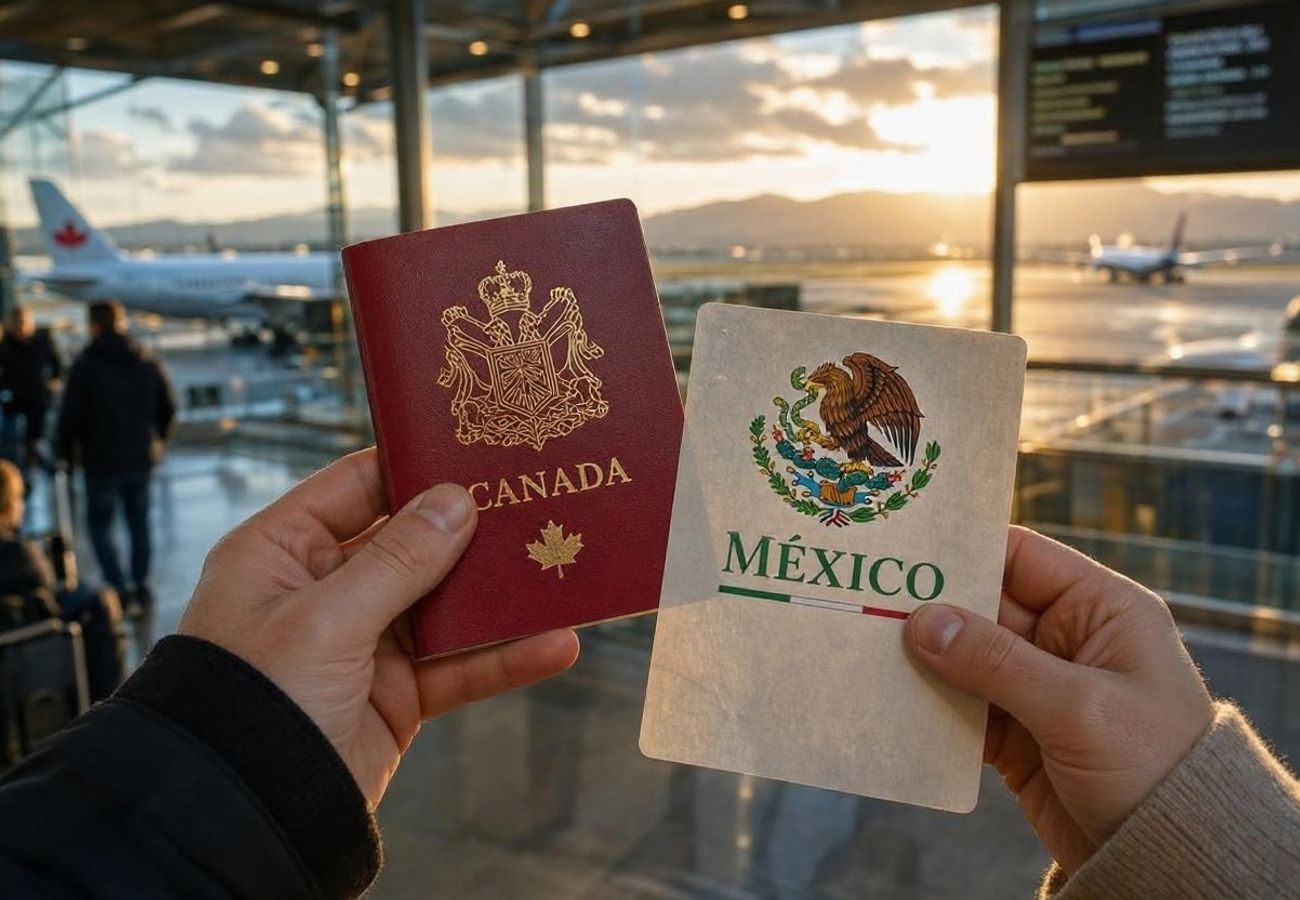
Image generated by AI
Planning a trip to Mexico from Canada? You need to be aware that Global Affairs Canada has upgraded its travel alerts, focusing on strict immigration enforcement and sophisticated fraud targeting tourists.
The Core Transit Change: Immigration and Safety Alerts
The Canadian government is now urging travelers to exercise a very high level of caution across Mexico. The primary shifts in the travel landscape involve the rigorous enforcement of the Forma Migratoria Múltiple (FMM)—the Tourist Card—and a surge in organized crime targeting foreign nationals through digital platforms.
Unlike previous years where entry was more relaxed, Mexican immigration officials are now scrutinizing the exact duration of stay. The assumption that every visitor receives a default 180-day window is no longer safe. Officials now determine the permitted stay on a case-by-case basis, and this specific number is recorded in your passport stamp or digital FMM. Overstaying by even 24 hours can lead to immediate financial penalties or detention upon departure.
Route and Schedule Details: Restricted Travel Zones
Global Affairs Canada has designated 14 states where non-essential travel should be avoided. It is vital to note that entering these zones may void your travel medical insurance or trip-cancellation policies.
| Mexican State | Restricted Areas (Avoid Non-Essential Travel) | Permitted Exceptions (Exercise High Caution) |
|---|---|---|
| Chiapas | Entire state except listed corridors | Palenque (Hwy 186), Tuxtla Gutiérrez, San Cristóbal de las Casas (Hwy 190D) |
| Chihuahua | Entire state except the capital | Chihuahua City |
| Colima | Entire state except the port city | Manzanillo (Air access only) |
| Guanajuato | All areas south of/including Hwy 43D & 45D | Areas north of Highways 43D and 45D |
| Guerrero | Entire state except coastal resort hubs | Ixtapa and Zihuatanejo (Air access only) |
| Jalisco | Areas within 50 km of Michoacán border | Mazamitla (Hwy 405), Lake Chapala (Hwy 15 to 15D) |
| Michoacán | Entire state except major cultural cities | Morelia and Pátzcuaro |
| Morelos | Lagunas de Zempoala National Park | Rest of state (Standard high caution) |
| Nayarit | Areas within 20 km of Sinaloa/Durango borders | Coastal and central tourist areas |
| Nuevo León | Entire state except capital metro area | Monterrey |
| Sinaloa | Entire state except approved air/sea zones | Los Mochis; Mazatlán (Centro Histórico, Zona Dorada, Cerritos, Playa Estrella del Mar) |
| Sonora | Entire state except designated cities | Hermosillo, Guaymas/San Carlos, Puerto Peñasco |
| Tamaulipas | Entire state except southern port | Tampico (Air or sea access only) |
| Zacatecas | Entire state except the capital city | City of Zacatecas |
Traveler Logistics Guide: Step-by-Step Compliance
To ensure a smooth transit and avoid legal or safety complications, follow these operational steps:
1. Pre-Departure Documentation
- Registration: Register with the Registration of Canadians Abroad (ROCA) to receive emergency alerts and consular support.
- Minor Travel: If traveling with children, ensure you have legal guardianship papers or notarized consent from the non-traveling parent to avoid entry delays.
2. Arrival and Immigration
- The Stamp Check: Immediately after passing through immigration, check your passport stamp. Confirm the exact number of days granted. Do not rely on verbal assurances from officers.
- FMM Management: Keep your digital or paper Tourist Card in a secure, accessible place. You will need this to exit the country.
3. Ground Transport Strategies
- Airport Transit: Avoid hailing street taxis. Use authorized airport kiosks or reputable apps like Uber and Didi.
- Intercity Travel: Use executive-class buses for long distances. Ensure they operate on cuota (toll) roads rather than libre (free) roads.
- Roadside Help: If you experience a vehicle breakdown on a highway, dial 078 to contact the Ángeles Verdes (Green Angels) for bilingual roadside assistance.
- Night Driving: Strictly avoid all road travel after dark.
4. Digital Safety and Social Interaction
- App Usage: If using dating apps, meet only in crowded, public venues. Never invite a stranger to your hotel or Airbnb.
- The "Gift" Trap: Refuse any request to carry packages, luggage, or "gifts" across the border for someone you met online, as these are frequently used for narcotics or currency smuggling.
Regional Connectivity Impact
The current security climate is reshaping how travelers move within Mexico. There is a clear shift toward "air-only" access for several regions. For instance, in Colima, Guerrero, and Tamaulipas, the only recommended way to reach tourist hubs is via flight, bypassing the hazardous highway networks controlled by organized crime.
The risk of "express kidnappings"—where victims are forced to withdraw ATM limits—has made urban transit more precarious. This has increased the reliance on secure, hotel-arranged transport over independent exploration. Furthermore, the volatility in states like Sinaloa and Chihuahua means that traditional overland road trips are being replaced by short-hop domestic flights to avoid illegal highway blockades.
FAQ: Mexico Transit 2026
Do I need a transit visa or a Tourist Card? Canadian citizens generally do not need a visa for tourism, but you must comply with the Forma Migratoria Múltiple (FMM) requirements and passport stamping upon arrival to legally enter and exit.
Can I drive to the restricted states? It is strongly advised to avoid non-essential travel to the 14 restricted states. If you must go, use cuota highways during daylight hours and check your insurance policy for coverage in these zones.
How do I handle an immigration overstay? Overstaying your granted days can result in fines or detention. If you realize you have overstayed, contact the nearest Canadian consulate or the Government of Canada travel portal for guidance before attempting to depart.
Are resort zones safe from cartel violence? While highly secured, resort zones are not immune. Occasional clashes have occurred in hotels and nightclubs. Remain vigilant and avoid areas where sudden large security deployments are visible.
Stay compliant with immigration laws and prioritize vetted transport to ensure your trip remains a vacation and not a legal complication.
Related Travel Guides
This article is for informational purposes. Flight routes, passenger regulations, visa rules, and transit advisories are subject to change by airlines and aviation authorities. Readers are advised to verify schedules and travel documentation with relevant carriers and border agencies before departure.
Related Stories
US East Coast Weather Alert: Potential Tropical Storm Kyle Impacts Travel from Georgia to New England 2026
Texas Road Transit Efficiency 2026: Traffic Delays Drop 11% Despite Rising Vehicle Demand