
Canada Issues Urgent Travel Advisory for Japan as Typhoon Dolphin Threatens Okinawa and Southern Islands 2026
Canada has released a critical travel advisory for Japan as Typhoon Dolphin threatens to disrupt flights, power, and tourism across Okinawa, Amami, and the Ogasawara Islands from August 4-6, 2026.

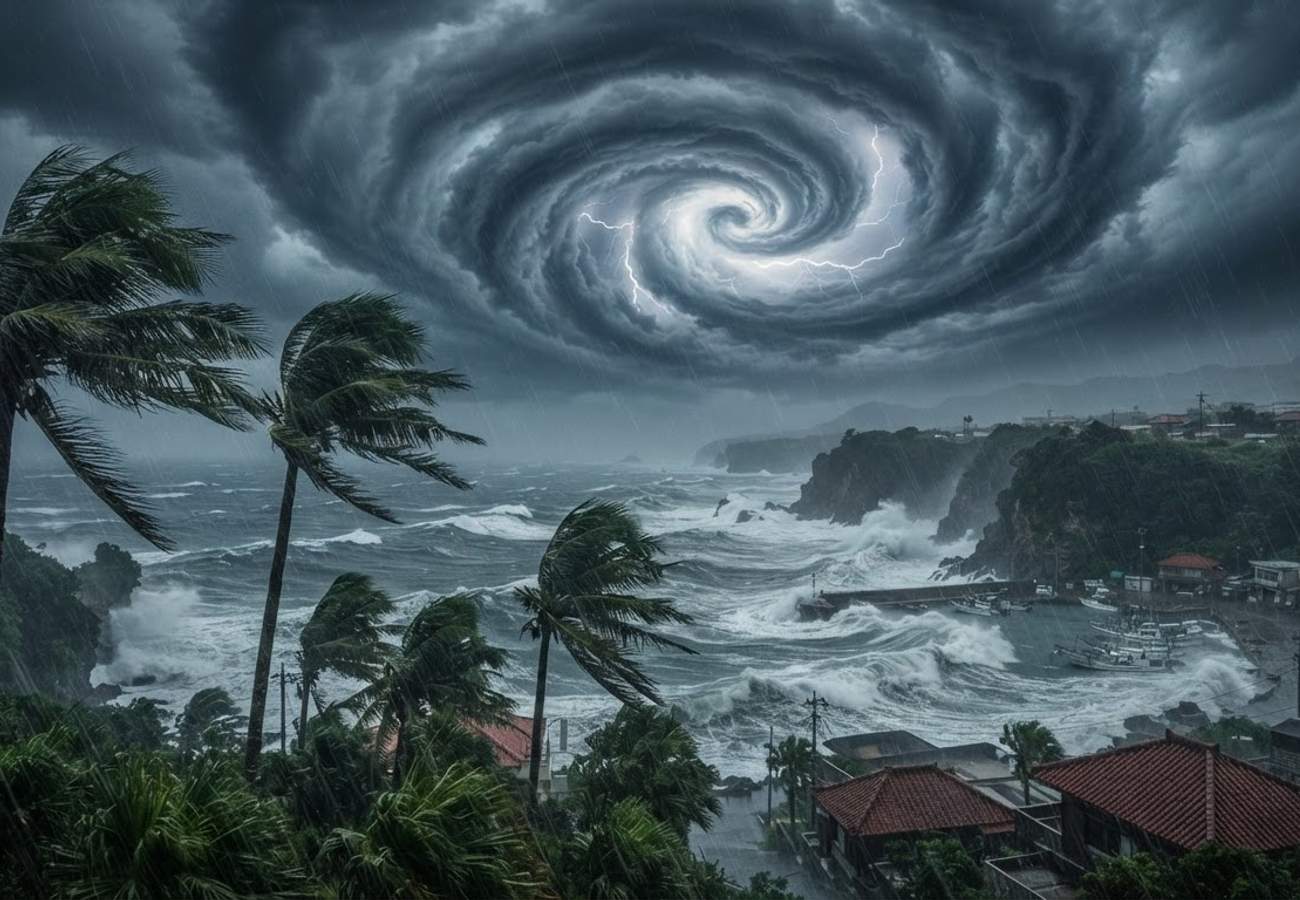
Image generated by AI
Severe weather alerts are currently in effect for Japan’s southwestern territories as Typhoon Dolphin approaches, prompting the Canadian government to issue a formal travel advisory for citizens in the region. From August 4 to August 6, 2026, the storm is projected to bring violent winds and torrential rainfall to the Ogasawara, Okinawa, and Amami islands, threatening to paralyze aviation and maritime transport.
The meteorological threat is concentrated in the southern island chains, where the convergence of high wind speeds and extreme precipitation creates a high risk of flash flooding and landslides. Industry reports indicate that the storm's trajectory puts critical infrastructure at risk, potentially severing power grids and telecommunications networks across these remote tourist hubs.
High Alert for Okinawa, Amami, and Ogasawara Island Chains
Typhoon Dolphin is currently tracking toward Japan’s southwestern archipelago, sparking urgent preparations among local governments and international visitors. The window of maximum impact is narrowed between August 4 and August 6, 2026, during which the Ogasawara, Okinawa, and Amami islands are expected to face the brunt of the system.
The storm is not merely a wind event; the forecast predicts excessive rainfall that could overwhelm local drainage systems. Authorities are monitoring the situation closely, as the volatility of the storm could lead to sudden failures in electricity supplies and emergency response capabilities. For the millions of tourists who visit Okinawa for its coral reefs and resorts, the arrival of Dolphin represents a significant disruption to the peak summer travel season.
Canadian Government Issues Safety Warnings for Travelers
The government of Canada has stepped in to warn its citizens currently residing in or traveling to the affected southern regions. The official advisory emphasizes that travelers must exercise extreme caution, as the storm's intensity may lead to the collapse of essential services.
According to the advisory, the following sectors are at high risk of failure:
- Transportation: Widespread cancellations of flights and ferry services.
- Utilities: Disruptions to power distribution and water supply systems.
- Logistics: Interruptions in food and medical supply chains.
- Connectivity: Potential outages in telecommunications and mobile networks.
- Healthcare: Limited access to emergency medical care facilities.
Canadian nationals are urged to ignore unverified reports and instead rely on the Japan Meteorological Agency and local official directives.
Tourism and Infrastructure Risks in Okinawa Prefecture
As a primary international gateway, Okinawa is facing the most significant economic risk. The prefecture's economy is heavily reliant on high-volume tourism, including diving excursions, luxury resort stays, and island cruises.
The operational impact is expected to be severe. High wind speeds frequently trigger the automatic suspension of airport operations, leaving thousands of passengers stranded. Furthermore, the ferry networks that connect the main island of Okinawa to its smaller satellites are highly sensitive to sea conditions; dangerous swells are expected to force a total halt in maritime transit.
Landslide and Flood Threats Across the Amami Islands
The Amami Islands, positioned between Kyushu and Okinawa, face a different set of hazards. Due to the region's mountainous topography and rich tropical biodiversity, the heavy rainfall associated with Typhoon Dolphin is likely to trigger geological instability.
Industry observers point to a high probability of:
- Flash Flooding: Rapid rises in river levels threatening coastal settlements.
- Landslides: Soil saturation in highlands leading to slope failure.
- Road Closures: Debris and flooding rendering primary transit arteries impassable.
- Community Isolation: Remote villages potentially losing all land-based access.
Visitors engaging in hiking or nature tours in the Amami region are strongly advised to avoid mountainous areas and riverbanks.
Maritime Isolation in the Remote Ogasawara Islands
The Ogasawara Islands, located far south of Tokyo, are particularly vulnerable due to their extreme isolation. Because these islands rely almost exclusively on maritime shipping for food, fuel, and passenger transport, any suspension of ferry services creates an immediate logistical crisis.
The anticipated impacts for Ogasawara include powerful winds and massive waves that make docking impossible. Unlike mainland Japan, where alternative transport may exist, a ferry cancellation in Ogasawara often means travelers are stranded for several days until the seas calm, making early preparation and flexible scheduling mandatory.
Systemic Disruptions to Aviation and Maritime Networks
The broader impact of Typhoon Dolphin will be felt most acutely in the transportation sector. The synergy of wind and rain typically leads to a cascade of cancellations across the southern Japanese aviation network.
| Transport Mode | Expected Impact | Primary Cause |
|---|---|---|
| Commercial Flights | Delays and Cancellations | Unsafe wind speeds for takeoff/landing |
| Inter-Island Ferries | Total Suspension | Dangerous wave heights and swells |
| Road Networks | Partial Closures | Landslides and flash floods |
| Public Transit | Service Interruptions | Power outages and flooded tracks |
Critical Infrastructure and Emergency Response Pressures
Beyond the immediate travel chaos, the storm threatens the stability of the regional power grid. Strong winds are expected to down power lines, leading to localized blackouts. This creates a secondary risk for travelers who may lose access to digital boarding passes, hotel reservations, and communication with embassies.
Japan's disaster management system, recognized as one of the world's most sophisticated, has already been activated. This includes the deployment of emergency alerts and the establishment of evacuation guidance. The Japan Meteorological Agency continues to provide real-time data to ensure that the tourism industry can pivot and protect passengers.
Why This Matters: The Traveler's Perspective
For the modern traveler, a typhoon warning in Japan is not just a weather update; it is a legal and logistical hurdle. When a "Force Majeure" event like Typhoon Dolphin occurs, airline refund policies and hotel cancellation terms can become complex.
From a logistical standpoint, the "stranded traveler" scenario in Okinawa or Ogasawara can lead to unexpected costs and safety risks. Travelers should ensure they have physical copies of essential documents, as power outages can render smartphones useless. Furthermore, those relying on tight connections through Naha Airport should prepare for a "domino effect" of delays that could impact travel plans across Asia and North America.
Travelers are advised to maintain a flexible itinerary and prioritize safety over sightseeing during the August 4-6 window.
Related Travel Guides
Disclaimer
This article is for informational and educational purposes only. It does not constitute legal, financial, or professional advice. While we strive to provide accurate and up-to-date information, travel policies, regulations, and conditions change rapidly. Always verify information with official sources before making travel decisions. Nomad Lawyer makes no representations about the accuracy, reliability, completeness, or suitability of the information provided. Readers should consult qualified professionals for advice specific to their circumstances. The views expressed in this article are those of the author and do not necessarily reflect the views of Nomad Lawyer.
Kunal K Choudhary
Co-Founder & Contributor
A passionate traveller and tech enthusiast. Kunal contributes to the vision and growth of Nomad Lawyer, bringing fresh perspectives and driving the community forward.
Learn more about our team →