
Canada Invests C$3.7 Million to Expand Gros Morne Tourism Experiences and Extend Visitor Seasons 2026

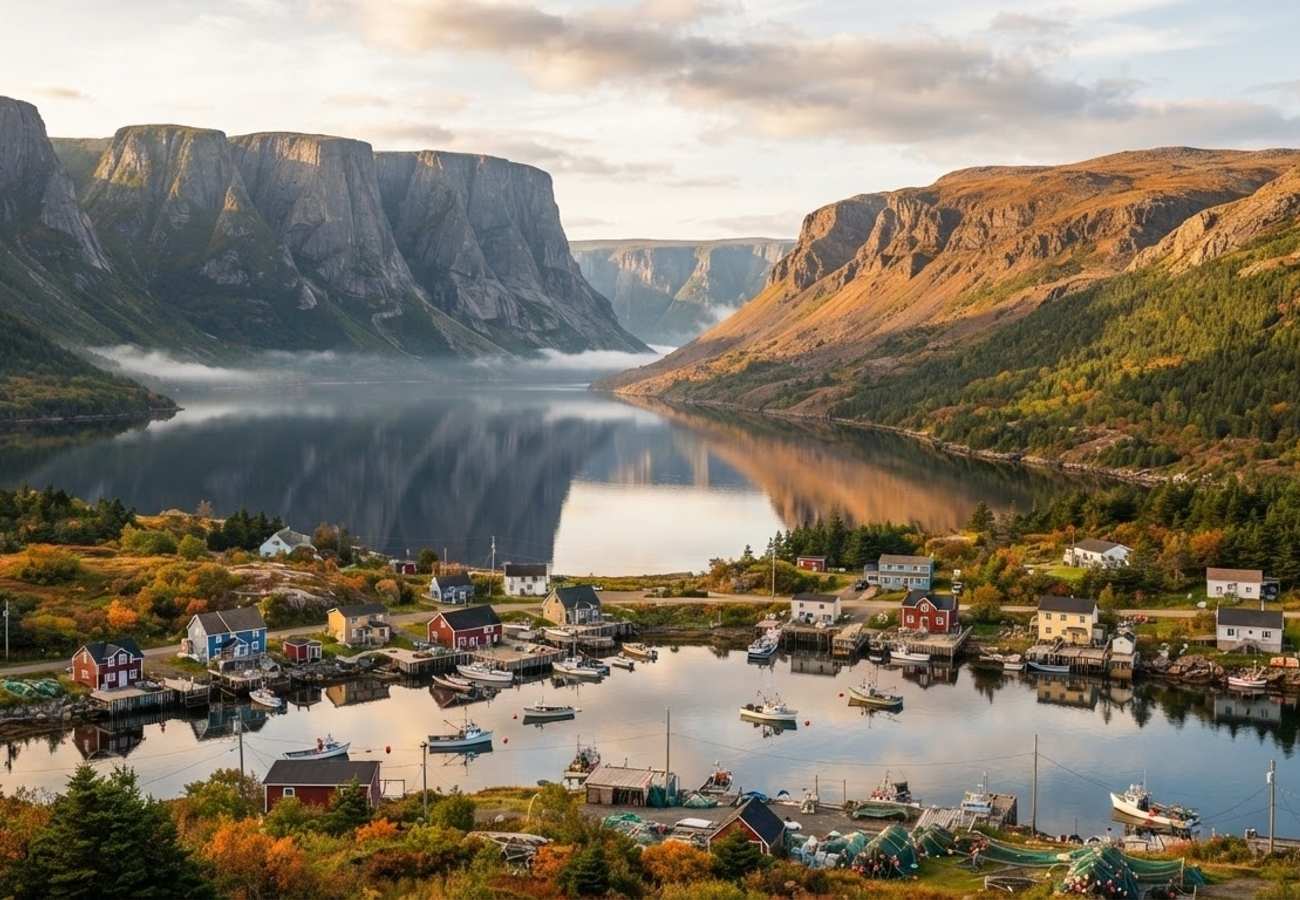
Image generated by AI
Federal funding is shifting from simple marketing to product development in Newfoundland, with a C$3.7 million injection aimed at turning a seasonal hiking destination into a year-round cultural hub.
The Canadian government has committed more than C$3.7 million to enhance the tourism infrastructure surrounding the Gros Morne region in Newfoundland and Labrador. Announced in Rocky Harbour on July 23, 2026, this strategic investment is managed through the Atlantic Canada Opportunities Agency.
Unlike traditional tourism grants that prioritize advertising, this funding focuses on "product strengthening." By developing new culinary, cultural, and community-led experiences, the government aims to incentivize visitors to extend their stays and explore the region outside the traditional summer peak.
Gros Morne National Park is a cornerstone of Atlantic Canada’s tourism, featuring a UNESCO World Heritage landscape of fjords, mountains, and unique geological formations. The new funding seeks to bridge the gap between the park's natural wonders and the economic potential of its surrounding coastal communities.
Strategic Allocation of Federal Funds
The investment is split across three primary initiatives designed to diversify the visitor experience and support local entrepreneurs.
The most significant portion, C$2,059,114, is dedicated to the Gros Morne Cooperating Association for the construction of the Gros Morne Culinary and Cultural Hub. This facility will serve as a platform for local farmers and food producers to reach international tourists, blending Newfoundland’s heritage with modern gastronomic tourism.
Additionally, C$715,201 is allocated to the Gros Morne Cultural Blueprint. This initiative focuses on collaborative product development, ensuring that the region is marketed as a comprehensive cultural destination rather than just a scenic stop.
Finally, the Gros Morne Institute for Sustainable Tourism will receive C$966,600 for the ACTivate – Activating Community Tourism program. Running from 2026 to 2028, this project emphasizes community-centric growth, ensuring that tourism development aligns with the priorities of local residents.
Investment Breakdown and Funding Sources
The following table details the specific distribution of federal and agency support for the region's development.
| Gros Morne Tourism Investment | Federal Support | Tourism Purpose |
|---|---|---|
| Gros Morne Culinary and Cultural Hub | C$2,059,114 | Develop food and cultural visitor experiences |
| Gros Morne Cultural Blueprint | C$715,201 | Strengthen cultural tourism and collaborative product development |
| ACTivate – Activating Community Tourism | C$966,600 | Support community-centred tourism development |
| Total federal package | More than C$3.7 million | Strengthen tourism and regional economic development |
| Parks Canada Cultural Blueprint contribution | C$139,998 | Additional support for cultural tourism |
| Parks Canada ACTivate support | C$43,000 in kind | Additional support for community tourism |
Combatting Seasonal Volatility
A primary driver for this investment is the need to stabilize the regional economy. Currently, Gros Morne experiences a sharp spike in demand during the warmer months when hiking and camping are most accessible.
By introducing culinary and cultural attractions, the government intends to create "shoulder season" appeal. These experiences are less dependent on weather, potentially drawing visitors during the spring and autumn. This shift helps local businesses maintain steady revenue and employment throughout the year, reducing the precariousness of a summer-only economy.
Prioritizing Sustainable and Community-Led Growth
The ACTivate initiative, developed in partnership with St. Francis Xavier University, represents a shift toward sustainable destination management. Rather than focusing exclusively on the visitor's experience, the program prioritizes the wellbeing and priorities of the local community.
This approach is vital for a UNESCO World Heritage site. Over-tourism or unchecked growth could degrade the very natural assets—such as the Tablelands and Western Brook Pond—that attract visitors. By balancing economic growth with environmental protection, the region ensures its long-term viability.
Regional Impact on Coastal Communities
The economic benefits of this investment are expected to ripple through several key coastal communities that serve as gateways to the park. These include:
- Rocky Harbour: A primary tourism service center and the site of the funding announcement.
- Woody Point, Trout River, and Norris Point: Key hubs for accommodation and local services.
- Cow Head and Glenburnie: Essential coastal communities supporting the visitor economy.
By encouraging travelers to engage with local food and culture, the investment transforms the visitor journey from a "pass-through" experience into a deep-dive exploration of Newfoundland's western coast.
A strategic move to ensure Newfoundland's natural wonders provide lasting economic stability for its people.
Related Travel Guides
This article is for informational purposes. Flight routes, passenger regulations, visa rules, and transit advisories are subject to change by airlines and aviation authorities. Readers are advised to verify schedules and travel documentation with relevant carriers and border agencies before departure.
Related Stories
Phuket Overdevelopment Crisis 2026: Logistics Guide to Navigating Infrastructure Risks and Safety

European Mass Protests Disrupt Travel Across France, Italy, Belgium, and Turkey in 2026
